This is What It’s Like Living in a Condo in Chicago

Welcome to the Windy City

Congratulations! You’ve purchased a downtown Chicago condo and have moved in. You’re going to love living in this city. Whether you already lived here, relocated for a new career opportunity, or just needed a change of scenery, Chicago is a place where you can live life to the fullest.

Living in a condo is part of the downtown Chicago lifestyle. Having a home that’s close to fine dining, exceptional shopping, professional opportunities, endless activities, and more are all part of the experience. (And if our teamassisted you with your condo purchase, thank you for your trust!)

Now that the dust has settled and you’ve moved into your condo, here are steps you can take to adjust to your new home.

Don’t Do Chicago Alone — Make Friends

Chicago is a bustling metropolis with loads of nightlife, daytime adventures, and recreational activities. So enjoy them with like-minded people! Thankfully, making friends in a new city isn’t as hard as you think. It just takes some proactivity on your part and a willingness to try new things. Here are a few ways you can get started:

  • Start with neighbors. Introduce yourself to people who live in nearby units. They’re the ones you’ll run into the most, so it will help if you know who they are. And make sure to use your condo’s common areas, especially those with pools, bars, and other gathering spots. Many condos will also plan events for residents, so be sure to attend and participate.
  • Explore. Go out and about! Chicago is a great place to explore — you’ll find a new restaurant, gallery, bar, or another type of hot spot each time you venture out. If you’ve started a new job, talk to your coworkers about fun things to do (and believe us, there’s plenty in Chicago!). Because communication is more natural between coworkers than neighbors, people will be more likely to share their ideas and even invite you along with them.
  • Use social sites. There are loads of popular sites and apps that allow you to meet people with similar interests and passions (and they’re not all for dating!). On Meetup alone, there are hundreds of different groups that gather to do everything from wine tastings to writing code. Facebook Groups also has a number of options to explore. Easiest of all, think about what you already enjoy doing. Like jazz? There are a number of festivals and clubs to try.

Understand the Responsibilities of Your Condo Association

Your condo association exists to serve you and other residents as well as to maintain the integrity of the condo building itself. When buying the condo, you should have reviewed the association’s governing documents and policies in depth. If not, get on it — they have a significant impact on your time in your new home.

Overall, condo association responsibilities can be broad or limited in scope. One association may only be involved in the high-level financial and structural management of the building itself, while others might manage services that residents enjoy on a day-to-day basis. These might include laundry or cleaning services, among others.

If you’re having a problem with a neighbor, the association may be able to assist if the issue is covered in the governing documents. For example, say a resident living above you recently put down new flooring, yet you’re experiencing more noise than ever. The association can step in to verify whether the new floor is up to code and compliant with its policies. If a dog next door is barking at all hours of the night, the association may leave it to you to resolve directly with your neighbor.

What Makes a Good HOA Board Member?

Since we’re discussing condo associations, it’s important to understand your association’s board and what makes a good HOA board member. At some point, you may consider getting involved with your board. Not only does this give you the opportunity to impact your own residency, but it also gives you the chance to make a difference for other residents and the building as a whole.

The association’s governing documents specify the responsibilities and scope of the association board and its officers. Their overall responsibilities might be limited to basic maintenance and finance, or they may be responsible for services provided to residents. Read your association’s policies and governing documents to understand what the board’s responsibilities are.

As a board member, your role will be much like that of a leader in a business. Depending on how tasks are delegated or assigned, you may be involved in financial matters such as setting and maintaining a budget, maintaining a reserve fund, ensuring the building has adequate insurance, and gathering assessments (more on these shortly). You may also be involved in legal tasks such as selecting an attorney for the association, analyzing association rules against local laws, enforcing rules, and ensuring that other board members with financial responsibilities are protected.

Ultimately, serving on your association’s board is a significant responsibility — and a meaningful opportunity. You’ll have the opportunity to serve your fellow residents and maintain a piece of Chicago architecture and history for the years to come.

Be Prepared for Condo Association Special Assessments

Much like living in a single-family home, living in a condo comes with certain fees that must be paid. Whereas owners of single-family homes typically have to pay a homeowners association (HOA) fee, condo owners have to pay condo association fees (also called assessments). These fees cover the costs of maintaining common areas and keeping up the building’s exterior and are typically paid monthly or annually, depending on your association.

However, a situation might arise in which the condo association needs additional funds beyond the standard dues. These are called condo association special assessment. Examples include the need to fix a damaged roof, repave the parking lot, fix landscaping ruined by a disaster, or cover shortfalls in the association’s budget.

In a perfect world, special assessments wouldn’t happen. But situations do indeed arise, and by living in a condo, you’ve agreed to pay these costs when and if they are required.

Keep in mind that you’re not alone when special assessments occur. Other residents are also being charged this expense, and you’re all in it together. Depending on your association’s governing documents, there may be limits on special assessments and how often they can be levied. If you’re hit with an assessment, don’t hesitate to contact your association to learn more.

How to Take Care of Condo Repairs

Now that you’ve moved in and are familiar with the ins and outs of your association, you can begin to enjoy downtown Chicago living. As time passes and you adjust to living in your condo, you may want to change things around a bit. Or, as with all homes, a repair or two might be needed.

Tastes change. Wear and tear is a normal part of owning a home. But knowing how to go about making these changes to your condo matters.

First, know whether it’s your responsibility. For smaller cosmetic changes like painting — yeah, it’s your responsibility. For major cosmetic changes, like moving a wall, remodeling a bathroom, or changing some aspect of the condo that could affect neighbors, discuss your plans with the association first. The governing documents might restrict what you can do or require you to use a specific contractor.

If condo repairs are required because something was incorrectly installed during construction or renovation prior to you buying the condo, you should also consult your association first. The original contractor may be liable for the work or required to make repairs under warranty. For minor occurrences, such as scuffing a wall or knocking a closet door off its tracks, you may be able to make the repairs yourself — provided you have the skills.

Start Your Chicago Condo Search Now

Our team is ready to help you find the perfect home. Search available listings or get in touch.

Ready to Move? Use This Guide for Selling Your Condo

Making the Right Moves — When It’s Time to Move

Moving is just a part of life — not just for owners of suburban single-family homes, but also for residents of downtown Chicago condos. People get new jobs, move in with a significant other, and upsize (or downsize) to a home better suited for their lifestyle. Whatever the reason may be, when the time comes to move, it’s important to consider the many details that must be navigated.

Apart from deciding where you’re moving to, one of the most significant considerations for a downtown homeowner will be selling your condo. To help you navigate this process and get a better picture of what’s involved, we’ve put together some insights on everything from the costs you could expect to whether you should just rent the condo out. Let’s dig in!

Should You Sell Your Condo or Rent it Out?

Downtown Chicago real estate is competitive. With ample professional opportunities, exciting nightlife, numerous educational institutes, and vibrant arts and cultural communities, living in downtown Chicago is a thrilling prospect for many — and many want to make it their home.

If you’re interested in selling your condo, you might find yourself facing a certain conundrum: should you just rent it outinstead? If you do, you’ll be able to continue making payments on that condo’s mortgage while building a strong credit history as well as making some profit off the rent. But first, you need to determine whether you’re even allowed to rent out your unit.

Every condo association is different, and you’ll need to check with your association board to see if this is an option. If it is, then you’ve cleared the first major hurdle and can start working on additional details, such as:

  • Obtaining a lease agreement and rental application
  • Securing an attorney to review your documents
  • Obtaining proper insurance coverage
  • Reviewing the impact renting could have on your taxes
  • Determining the rental price of your condo
  • Finding an avenue for tenant background checks

Once you’ve completed these items, you’ll be on your way to renting out your current condo and moving on to your next home. But keep in mind that selling your condo provides you with the equity you’ve built in it over the years (equity is the difference between its value and the balance of any mortgage you have on the property). Those funds can replace what you may have put down on your next home, supplement existing savings, or be used to make any upgrades to your new condo.

What Costs are Involved With Selling Your Condo?

If you’ve decided to sell, it’s time to consider the costs of selling a condo. A variety of fees and charges are applied to the sale of real estate. The agent representing you in the sale will be able to assist you in getting an idea of what your costs will be, and the final costs will be listed on your seller’s Closing Disclosure.

Here’s a quick rundown of some of the costs you’ll be responsible for when selling your condo:

  • Commission for a real estate agent (4–6%, split between buyer and seller agents)
  • Loan payoff costs such as any prorated interest or potential prepayment penalties
  • Title transfer taxes
  • Title insurance fees
  • Attorney fees
  • Prorated property taxes or association dues
  • Home warranty premium (if applicable)
  • Bills for negotiated repairs

Finally, you should consider the costs that you incurred personally to prepare the home for sale. If your condo needed some repairs to get it into shape, that’s still an expense worth including in the tally. Overall (and very much in general), it’s safe to assume that you’ll pay anywhere from 8% to 10% of the sale price of the condo in fees. Of course, that depends on where you live, the sale price itself, your agent’s commission, and other negotiables.

Tips for Staging a Condo to Influence Buyers

Once you’ve considered the costs, you can begin the process of staging your condo for sale. Staging is an important part of the home sale process. It presents your home to prospective buyers in the best light possible, showcasing what the home looks like when furnished, decorated, cleaned, and so on. More importantly, it can help your condo sell faster than homes that weren’t staged.

With most buyers looking for homes online before seeing them in person, it’s important that you capture interest right away. Buyers are immediately drawn to photos before the fine details of the home, and staging ensures that your condo gives off a great first impression. When you work with an agent to sell your condo, they’ll make recommendations that appeal to prospective buyers.

Your agent may also suggest using the services of a local staging company. These types of companies and professionals can capture the feel of a home perfectly for prospective buyers to picture what the home would look like fully furnished. While the cost to stage a home can vary, the result is often well worth the price tag: the quick sale of your condo with potentially fewer concessions or low-ball offers.

Get the Word Out With These Condo Advertising Ideas

Once you’ve found an agent (perhaps one of these talented individuals?), have listed your condo, and perhaps even had it professionally staged, it’s time to let people know about it! Your agent will take full advantage of their professional marketing resources to share the property with potential buyers, but what about you? What can you do to spread the word? Here are some condo advertising ideas to get you started.

Make Full Use of the Web

While your agent will get your home onto popular real estate platforms such as Zillow, Realtor.com, and others, there’s plenty more that you can do — especially with social. Share your condo’s listing on all your social networks. Tell a story about it on Facebook. Create an Instagram collage or Pinterest board with the same photography as the listing. Do a live walk-through of your condo on Facebook Live or Instagram Stories.

Use Your Networks

Put your friends and family to work! Send them a link to the property online and ask them to share it. Encourage them to share it on their social networks and to keep an ear out for any coworkers in their professional spheres that might be interested in downtown Chicago condo.

Host Your Own Open House

While your agent may host an open house or broker open, one open house of your own could be all it takes. Invite coworkers, friends, family, neighbors, and so on. Provide light refreshments and snacks. Consider having your agent on hand as well should any specific questions arise.

How do Appraisers Choose Comps for Condos?

Once you’ve received an offer on your condo, the buyer will begin navigating the steps of the homebuying process. Ideally, you and your agent will have worked with a fully pre-approved buyer that demonstrated the ability to buy quickly. This ensured you were able to proceed with the financial process with minimal risk of the buyer’s financing falling out.

Toward the end of the process, the buyer will order an appraisal on the condo to determine its value. It’s worth knowing how this works because as the seller, you most likely won’t see your condo’s appraisal or learn its appraised value. The only time you might see the appraisal is if the value comes in under the agreed-upon sale price, in which case you can either challenge the appraisal or accept the new value.

Part of the appraiser’s job is to select and evaluate comparable home sales (aka, “comps”), which in the case of a condo, must be taken from both the neighborhood as well as the condo’s subdivision or project. A third comp will also be selected, preferably within your condo’s building since it’ll be closer to yours regarding style, layout, construction, etc. than others. The appraiser will evaluate characteristics of the comps, including the number of rooms, gross living area, style of the home, and its condition to determine a final figure.

Learn More About Selling Your Condo

Tell us what you’re looking to achieve, and one of our talented team members will be in touch.

4 Great Tips for Maintaining a Condo

Why It’s Important to Maintain Your Condo

Just like any apartment or single-family home, once you’ve closed on a condo, it’s your home. You need to maintain your condo not only so you can enjoy it now, but also so it maintains its value for potential future sale.

Maybe your job has you moving around every few years. Maybe this is a stepping stone to another condo or home down the road. Whatever your situation is, maintaining your condo, keeping it clean, and addressing any issues as they arise will help you reap the rewards of downtown Chicago living now and get your investment back should you decide to sell later.

How to Maintain a Condo

Here are few tips for maintaining your condo, so it retains its value, you remain a good neighbor and resident throughout your stay, and that future owners won’t have any hesitation buying it from you.

  • Keep it clean. Give your condo a good cleaning once a week or as often as you see fit. But consider doing a deep cleaning on a monthly basis. Wipe down registers, move furniture to clean the flooring beneath, address any pet stains or damage, wipe dust off baseboards, clean dirty or streaked windows and doors, wipe down the inside of your fridge and oven, clean grout, dust on top of cabinets, and so on. Use reliable cleaning solutions that kill bacteria while also preserving the sheen and luster of wood, ceramic, granite, and other high-end surfaces.
  • Make sure appliances are running smoothly. Regardless of whether your condo came fully furnished or if you purchased appliances, it’s important to keep them in good working order from the day you move into the day you move out. Clean them inside and out, test their functions, make sure plugs aren’t wearing down, and have them serviced as needed. Test your carbon monoxide and smoke detectors and replace batteries if needed.
  • Watch out for pests. Just because you live in downtown Chicago doesn’t mean your building is free from common pests like rodents, spiders, or termites. If you see any droppings, webs, or other signs of infestation or other unwelcome guests, take action immediately to keep the problem from getting out of hand. Contact a pest control company to help resolve the issue.
  • Follow the rules. As time passes and your tastes change, you may want to customize your condo. It’s important to follow the proper procedure for remodeling a condo — particularly since your unit is closely connected with others. One wrong move and you could have a collapsed roof or floor, or water damage that causes issues for neighbors. Talk to your association if you want to make changes to see what you can and cannot do. Once you have permission, get estimates from licensed, insured contractors.

And Keep Up with Condo Association Fees

You may not enjoy having to pay them, but condo association fees go toward maintaining certain aspects of the building apart from your condo, like exterior spaces, interior common areas, security, valet parking, etc. These services ensure your downtown Chicago living experience remains enjoyable and meaningful.

Make downtown Chicago your new home. See what’s available now.

Moving into a Condo Soon? Make It a Stress-Free Process with These Tips

Preparation is Key for a Successful Move

You’ve done it! You’ve successfully closed on your condo. Time to start planning your move, right? Sure, except you’re going to be stressed out of your mind because you waited until the last minute. Since loan funding typically doesn’t take long, you probably already have the keys to your new condo. And who wants to waste time planning a move when they could already be moving in?

Just like moving into an apartment or a single-family home, preparation is key. The earlier you start, the less stressed you’ll be, the smoother everything will come together, and the faster the process will go when the big day comes.

So, first things first: make a binder for important notes and details. In that binder, you’ll want to include a moving checklist. Here’s one to get you started. Also keep itineraries, moving estimates and invoices, travel arrangements, and any other important information pertaining to the move.

And above all — keep up with it. Don’t let yourself get sidetracked or forget to check something off the list. Staying on top of things means less work ahead of you than behind you.

Step-by-Step Guide for Moving Into Your Condo

Two months prior: Take a look at what you own and identify things you can sell, donate, or throw away. Also, start eating up perishable foods. If your diet or tastes require certain foods, make sure you use up what you buy, so you don’t have to worry about packing it up. This is also a good time to start researching moving companies if you’ll be using one. Get estimates from at least three.

One month out: Pick a moving company and secure their services. Gather moving supplies (check Craigslist, Freecycle.org, or U-Haul Customer Connect for free boxes!) and contact your current utility providers to cancel services or set up transfers. Also, contact any new utility service providers to set up service and schedule any required installations. If you are moving from far away, make sure your vehicle is tuned up and ready for the drive.

One to two weeks out: Change your address with the USPS and confirm the moving date with your movers. You definitely want them showing up on moving day! You can start packing now, too — particularly valuables. Remember to group similar items together and by room, and to label boxes with great detail, so you know what’s what. As rooms get packed up, clean them thoroughly.

On moving day: Eat a healthy breakfast, so you have plenty of energy! Remember to be flexible. Situations may arise, but handle each one at a time. Remember to have some essentials handy in case things take longer than expected — extra clothes, hygienic supplies, etc. And when you’re all done, throw an epic housewarming party. Invite friends, family, and even neighbors if you’re comfortable doing so.

Done Moving into Your Condo? Pay It Forward

Remember to tip your movers for their hard work. A 15–20% tip should work well. If your family and friends helped you move, consider giving them some cash or covering meals for the day. Be there for them as best you can when they need help moving in the future.

Once your furniture is all set up, and everything is where it’s supposed to be, consider giving away your boxes and moving supplies. List them on Craigslist or, even better, offer them up on Facebook. People will definitely take you up on your offer, particularly since they know you.

Your new home is waiting. Start your condo search now.

Is Condo Insurance Mandatory? Yes — Here’s Why

If You Have a Mortgage, You’ll Need Condo Insurance

When you buy a condo, you might be wondering if condo insurance is mandatory. It’s not an apartment, so you don’t have to pay renters insurance, right? That’s correct. And it’s not a house, so you don’t have to get a homeowners insurance policy, right? Not quite.

If you have a mortgage on the condo, a condo insurance policy will be mandatory. Your lender will require you to insure the property — just as if it were a single family home — in the event something happens to the condo while you’re making payments. Getting this insurance is part of the financing process and can also be included in your overall closing costs.

Understanding the Types of Condo Insurance

First, let’s review the insurance policies the condo association has in place. Much like a homeowners association, your condo association is responsible for the building as a whole, the interior common areas, the financial well-being of the association, and many other things.

The association’s bylaws, or rules that cover how the association is managed, is where you should start. Review your association’s policy as well as its master policy to determine what the association is responsible for insuring and what they require you to insure.

The association itself may have one of these common insurance policies in place, which determines the level of coverage you need to get:

  • All-in: Everything is covered — the building, common areas, interior surfaces and fixtures, and even parts of the unit that you upgrade yourself
  • Single entity: Everything is covered except for any unit upgrades and improvements you make as well as your personal property.
  • Bare walls: Only the building’s basics are covered, such as walls, roof, floors, etc. You’d be responsible for insuring the interior as well as your personal belongings.

Now that you know what the association covers, you can begin to determine what condo insurance you’ll need. Here are some considerations for your condo insurance policy:

  • What are you responsible for covering apart from the association master policy?
  • If your condo’s interior isn’t fully covered, how much would you need for repairs?
  • If you make improvements that aren’t covered, how much do you need for replacements?
  • Assess the value of your personal property. How much coverage do you need?
  • If someone was injured on your property, how much do you need for liability?
  • If your condo were made uninhabitable, how much would you need for living expenses?

These are important things to consider and discuss with a licensed insurance agent. Share the association’s master policy with your agent to ensure there are no gaps in coverage and that they can tailor the right policy for your needs.

Learn more about buying a condo in Chicago. Follow our blog for the latest news and tips.

Things to Consider Before Customizing a Condo

What Does Your Association Allow?

Buying a condo isn’t quite like buying a single family home. The latter allows you to do just about anything you want: tear walls down, put walls up, run new water lines, run new gas lines, and more. The opportunities are endless.

But when it comes to a condo, keep in mind that you’re not the only resident in the building. Your walls are essentially your neighbor’s walls. Your floors may be your neighbor’s ceiling (and vice versa). And removing or altering something without talking to your condo association first can have serious — and potentially costly — consequences.

Protecting yourself and your neighbors is as easy as having a conversation with the condo association. Call them up, and just ask. Talk through what you want to do.

If your condo is new construction, there’s probably not a lot of customizing that you need to do. The flooring, paint, layout, and finishings are virtually untouched. You may have even been a part of selecting them if the designers or builders offered that service.

But if the condo has been around a while, or if there’s just more customization that you want to add, it’s critical that you talk to the condo association first and explain what you want to do. Also, refer to your association rules and regulations for specific details about condo customization.

While you probably won’t need association approval for small changes like new fixtures or painting a wall, but changes that modify the structural layout of the condo or require changes to plumbing or electricity will because they may impact other residents. The association may also require the contractor you want to work with to be reviewed to ensure they’re properly licensed and insured.

Why It’s Important to Talk to Your Association

If you moved forward with customizing your condo yourself, or if you worked with an unlicensed, uninsured contractor, you could find yourself in a bad spot if something were to go wrong.

Say you remove a wall to make a certain space more open. It looks more contemporary, the room gets more light, and you feel comfy and cozy in an open space. That’s great, but you neglected to consider why that wall was there. Now, your ceiling has a crack from end to end, and the floor in the unit above you is sinking.

You now have to move out while the damage is repaired (along with your upstairs neighbor), and because you didn’t work with an insured contractor, guess who’s footing the bill? Yep, you.

Thankfully, most high-end condos will work with you to customize the condo’s interiors to your liking. So apart from hanging art, decorating, and perhaps painting a wall down the road, there shouldn’t be much you need to do.

OK, OK — If You Still Want to Customize, Start Here

We understand — tastes, styles, and trends change. So if the time comes to customize your condo, follow these instructions to make sure you do things right.

Assuming you’ve already talked everything through with your association and received their blessing, you can start searching for a reputable, licensed, and insured contractor. There are quite a few out there, so you shouldn’t have any trouble identifying solid candidates.

Get recommendations from family and friends. Read as many reviews as you can, particularly reviews on third party and consumer advocate sites. Look for photos of their work, and search for any complaints against them. Keep in mind that one or two complaints but hundreds of positive reviews doesn’t mean they should be disqualified from the running. Check the complaints and weigh them against their context and the overall impression others have had working with them.

And don’t go straight for the lowest-bidding contractor. Experience, reviews, communication, and responsiveness all count and can make the difference between a successful remodel and a very uncomfortable, unsightly one. If a mid-range or higher-end contractor can do the work better or faster, it may be worth considering.

Next, make sure they’re licensed and insured. Don’t waste time explaining your condo remodeling project and getting estimates if they’re not legally permitted to do the work. Research a few contractors, let them know you’re interested in a remodel and ask about their licensing. Ask to see or receive their certificates and licenses. An ethical contractor should be more than willing to assist.

Once you’ve received their licenses and bid and have selected a contractor, review them with the condo association. As we mentioned earlier, you’ll likely have to get the plans, bids, and contractor details reviewed and approved. Navigate this process and provide the association with any additional information they require.

Once the association has approved, your contractor can get to work. Stay in touch with your contractor often so you can stay apprised of progress and make adjustments as necessary. Do your part to be available to your contractor as well so you can make decisions on any questions or problems as they arise. Communicating well together and being available will keep your remodel on track toward success.

Have questions about downtown Chicago living? We’d love to help. Contact us today.

Here’s What to Expect for Condo Closing Costs

Understanding What Condo Closing Costs Are

Getting ready to close on a condo? Or just getting started? This is a big purchase, so it’s critical that you understand the costs you’re responsible for. But first, just what exactly are closing costs?

Condo closing costs are fees that are charged for obtaining a mortgage. While you can include your down payment in total closing costs, there are additional fees that you must pay (we’ll cover those shortly). First, let’s review what will be your largest fee: the down payment.

A down payment is money that you provide during a real estate transaction. The down payment is a percentage of the property’s sale price. So, for a $500,000 condo, a 20% down payment is $100,000, a 10% down payment is $50,000, and so on. While there is essentially no limit to the size of the down payment you make, there are minimum requirements.

Depending on your loan program, you may be required to put anywhere from 0% to 20% or more down. Veterans and qualifying service members can take advantage of a VA loan with no down payment requirement (the condo must on their approved list, however). First-time buyers can use an FHA home loan with only 3.5% down required (again, the condo must be approved).

The overall loan amount also factors in. In certain high-cost areas, such as downtown Chicago, a higher down payment may be required since your loan amount may exceed the conforming loan limit. Also, note that putting less than 20% down will result in mortgage insurance — an additional fee added to your monthly payment.

Additional Condo Closing Costs

Beyond the down payment, you’ll also have to pay other fees that are charged as part of the mortgage process. Some lenders may offer credits for some of these fees as specials or waive them entirely, but that depends on the lender. Examples of these closing costs include an application fee, processing fee, origination fee, and underwriting fee.

Additional condo closing costs include homeowners insurance, attorney fees, title fees and title insurance, municipal fees, credit report fees, discount points, and recording fees. Fee amounts will vary depending on where you’re moving, what mortgage company you financed the condo with, the attorney you’re working with, and so on.

You’ll also have to pay City of Chicago Transfer Tax, which is $7.50 per $1,000 of the real estate transaction. On a $500,000 condo, this tax would be $3,750.

Know the Condo Closing Costs You’ll Pay

Part of the loan process includes two documents: 1) a Loan Estimate (LE) and 2) a Closing Disclosure (CD). Within three days of applying for a mortgage, a lender is required to provide you with the LE — a good faith estimate of your interest rate and closing costs. Within three days of closing on your condo, you’ll receive the CD, which details the final costs you’re required to pay.

Compare these two documents closely. The rate and closing costs should not have changed significantly. While some closing costs can change without limit, others can only change by 10% — or not at all. If the closing costs on the CD exceed the costs on the LE beyond acceptable limits, your lender has to refund the excess to you within 60 days of closing on your condo.

Finance with confidence. Take the first step today.

Buying a Condo? Here’s What to Check During a Walk-Through

Why Condo Walk-Throughs are Important

Why indeed! You’ve already found the perfect condo in the perfect neighborhood. It’s close to your office, it’s close to your favorite shopping, and it’s close to some of Chicago’s best nightlife. The interior was beautifully updated, the lobby and hallways are kept clean, and the neighbors seem nice. So why would you bother with a final condo walk-through?

It might seem excessive. It might even annoy the seller and his or her agent. But doing a condo walk-through is important for many reasons:

  • You’re paying hard-earned money. At the risk of sounding parental, it’s important to understand the value of money. You work hard, and you’ll only earn what you earn during your window of employment. So don’t waste it. Downtown Chicago condos aren’t inexpensive, and you deserve to get what you’re paying for.
  • You could’ve missed something. When you first toured the condo, you probably focused on its great location, the contemporary finishings and features, the association’s amazing amenities, and more. But you could’ve missed something. Maybe an indistinguishable leak has become a rust-colored wall stain. Maybe it was warm out when you toured and missed a window gap that’ll have you freezing (and losing money on heating) this coming winter.
  • Holding sellers accountable. Wear and tear is a part of life. Homes get old, and things need updating. That’s perfectly normal. It’s also perfectly normal to negotiate repairs into a purchase contract. For example, say some drywall is damaged. You could require the seller to repair the drywall before closing. And if it isn’t, you could withhold a portion of the seller’s proceeds until it gets fixed.

What to Check During a Walk-Through

  • Is the home clean? Has the seller removed their belongings?
  • Are the items you’ve negotiated for present?
  • Have the repairs you’ve requested been completed?
  • Are invoices and warranties for any requested repairs available?
  • Is there any visible damage, mold, leaks, or pest problems?
  • Are all appliances clean and fully functional?
  • Do all switches and outlets work?
  • Are any electrical plate covers missing or damaged? Any exposed wires?
  • Are the doorbell, garage door, exhaust fans, and ceiling fans functional?
  • Do the heating and cooling systems function? Is the thermostat working?
  • Do toilets flush? Tubs/showers drain? Sinks drain?
  • Is the water running with proper pressure?
  • Are faucets and showerheads working? Any leaks?
  • Do all windows and doors open, shut, and lock properly?
  • Is there any condensation or fogging on double-pane windows?
  • Are there any missing panes or screens?

What to Do If Something is Wrong

If you find a problem when doing a condo walk-through, you can delay closing on your condo by negotiating a holdback, which is when a portion of the seller’s proceeds are withheld while they complete repairs. If something significant arises that changes your decision to purchase the home, you have the option of walking away.

However, before you take action, consult your real estate agent and attorney to determine the best course of action.

Get other valuable insights into Chicago condo living. Follow our blog here.

Follow This Process to Make Buying a Condo in Chicago a Smooth Process

Chicago is a Great Place to Live, Work, and Play

Buying a condo or townhome in Chicago not only gives you access to extensive professional opportunities, exciting nightlife, and a legendary food scene, but it also makes you part of a historic (and ever-growing) community.

From the bars and boutiques of Old Town to the hustle and bustle of The Loop, wherever you decide to call home in Chicago is sure to combine the best of home, office, and entertainment.

So how can you go about buying a condo in Chicago? Sure, it can be a complex process just like buying a single family home, but as with any home purchase, the result is worth it. Let’s review the steps needed to buy a condo in Chicago.

Get Pre-Approved for Financing

You might be tempted to contact an agent right away, but getting pre-approved by a lender can actually save you a lot of time and hassle upfront.

If you’ve already done some research, you might think getting pre-approved is a hassle. However, gathering information early allows your lender to determine the loan amount you qualify for. And once you’re pre-approved, you’ll have a letter that you can use in negotiation with a seller to show that you’re ready and able to purchase the condo.

Here’s a quick overview of the documents you’ll need:

  1. Photo ID and Social Security card
  2. W-2s for the past two years
  3. Tax returns for the past two years
  4. Bank/asset statements for the most recent two months
  5. Pay stubs for the past 30 days

While additional documents may be required, particularly for self-employed borrowers or if you’ve had any recent credit events, getting this information ready for your lender will save a lot of time.

Make Sure the Condo is Approved

Getting a mortgage for a condo requires that the condo be on an approved list, such as for FHA and VA loans, or for the condo to undergo a review by the lender, such as for conventional loans.

For FHA and VA loans, you can get a head start to determine whether your condo is eligible for that loan type. Search FHA approved condos here, and VA approved condos here.

Condo lists for conventional mortgages aren’t extensive, but that doesn’t mean you can’t buy a condo with a conventional mortgage. Your lender needs to conduct a limited review, which involves sending the condo association some paperwork to fill out. The lender will review it, and if everything looks good, you’ll be all set.

Proceed with Final Steps

Once you’re pre-approved and have signed a purchase contract, you’ll return it to the lender and complete the loan approval process. The lender will verify the information in your application and submit the loan to an underwriter for final review.

If the underwriter requires additional information or explanations, you’ll be informed and should do your best to address these requests (called “conditions”) as quickly as possible so that your loan can proceed. Once conditions are cleared, your loan will be approved, and you’ll have the clear to close.

An escrow account will be set up to transfer funds between you and the seller. Your lender will also set up an escrow account for the distribution of fees like taxes and insurance. Condo association dues likely won’t be paid through an escrow account.

When the time comes to close on your condo, you’ll attend a meeting along with your agent, attorney, title agent, and any seller-side representatives. Be prepared for a long meeting. If you have any questions, let your agent and attorney know. They’re there to help you.

You’ll review your final Closing Disclosure and verify that everything looks accurate. You’ll sign a lot of paperwork and pay closing costs. When the loan funds, you’ll receive your keys to your new Chicago condo.

Ready to find your dream home? Contact our preferred lender today.

Ready to Close on Your Condo? Here’s Everything You Need to Know

Buying a Condo in Chicago?

You’ve made a great decision. Chicago is a city rich with history, adventure, and culture. The food scene, nightlife, professional opportunities, and more are no more than a walk or quick Uber ride away. (The real estate is booming, too!) We love living here, and we think you will, too.

Buying a condo can be a complex process, particularly as there are more rules, considerations, and steps for financing a condo versus a single family home. But as long as the condo qualified for your loan program and you followed your lender’s approval process, you should be all set.

So, what now? It’s time to start preparing to close on your condo! You’ll have an escrow account set up by a third party to handle the transfer of funds between you as the buyer and the current owner. You’ll also have an escrow account set up by your lender for the distribution of fees like taxes and insurance. Fees such as condo association dues likely won’t be paid through escrow.

When your closing date comes, you’ll attend the meeting along with your agent/broker, attorney, title agent, and any representatives from the seller’s side (and perhaps the seller, too). Don’t let this stress you out. While closings can take anywhere up to a couple of hours, your agent and attorney are there to answer any questions you have.

Remember to be thorough. Make sure the paperwork matches your final Closing Disclosure (CD) and that everything looks accurate. You’ll be handed a lot of paperwork, sign your signature until your hand is sore, and pay your closing costs.

When your condo closing is complete and the loan funds, you’ll receive your keys — making everything that came before that moment 100% worth it.

Make Sure You Do a Final Walk-Through Before Closing on Your Condo

Sure, some people might think a pre-closing walk-through is overkill — except you when the heavy rain that fell the night before closing revealed a serious leak that damaged half the wall in your living room. Glad you did that walk-through, aren’t you?

Doing a walk-through before closing on your condo might seem like a tedious step in an already long process, but it’s worth it. Identifying any issues before you finalize the loan could mean the difference between enjoyable, problem-free living and a stressful, extensive repair process.

Granted, most major issues are the responsibility of the association to resolve, but a pre-closing walk-through goes deeper. Have the repairs and fixes you negotiated with the seller been completed? Is the unit empty? Are other issues like floor damage revealed now that the seller has moved out? Get even more granular. Do the appliances work? Do the systems (HVAC, plumbing, etc.) work properly? Are there any signs of pests?

Ultimately, if there is a serious problem, you can delay your condo closing by negotiating a holdback, in which a portion of the seller’s proceeds are withheld pending the completion of repairs. However, you should consult with your attorney before taking action.

Here’s What You Should Expect for Condo Closing Costs

All right! You’ve found a home and performed a final walk-through. Everything looks good — the changes you requested have been made, the property is clean and empty. Closing day is almost here, so it’s time to get your closing costs squared away.

It’s important to understand what closing costs are. It’s a broad term that comprises a variety of charges pertaining to your purchase. It’s fair to include your down payment in the overall term “closing costs,” but be aware that closing costs are charged in addition to your down payment.

Depending on the mortgage program you chose, this can be anywhere from 0% up to however much you feel comfortable (and are capable of) putting down. (Note that lower down payment programs like FHA and VA require the condo to be on an approved list. If it’s not, you’ll likely have to get a conventional mortgage.) The loan amount also factors in. In certain high-cost areas, such as downtown Chicago, a higher down payment may be required since your loan amount may exceed the conforming loan limit.

Additional closing costs include homeowners insurance, attorney fees, application fees, underwriting fees, title fees and title insurance, municipal fees, recording fees, loan origination fees, etc. These fees will vary depending on where you’re moving, what mortgage company you financed the condo with, the attorney you’re working with, and so on.

The Condo is Now Yours — Time to Really Make It Yours

But before you do anything, you need to understand your condo association’s rules and requirements as well as what your obligations are when it comes to customization.

Now, if you’ve purchased a condo, there’s a good chance the previous owners put some elbow grease in to update its features and make it more marketable. If it’s a new construction condo, you shouldn’t need to do anything — you may have even had a say in the interior design.

That said, if the condo still needs some updates or personalization, your first step is to consult the condo association. Small things like installing a new faucet on your kitchen sink or painting a wall most likely won’t require association approval.

But anything that affects plumbing, electricity, or structural layout of a unit will require association review since any mishaps could affect other residents’ units. They’ll also want to review the contractor you’re working with to ensure they’re properly licensed and insured.

The consequences of going rogue could be steep. If you or an uninsured contractor (say, your buddy’s brother’s friend’s cousin who does remodeling on the side) made structural alterations that resulted in floor and wall cracks in the units above you, there’s a good chance the association would hold you financially responsible.

Bottom line: When it comes to your condo, it is far better to ask permission than beg for forgiveness — particularly when forgiveness means a hefty fine or legal action.

Condo Insurance: What’s Covered and What’s Not

You’ve heard about homeowners insurance. But what about condo insurance? Are they the same? Is condo insurance even required? If you have a mortgage on your condo, then yes, condo insurance is required. This is to protect the lender behind your mortgage in the event anything happens to the property (as well as you).

But the level of coverage as well as what you’re responsible for covering can vary by complex and according to your condo association’s policy. So, it’s important to start there. Review the association’s policy to identify what you’re responsible for covering.

For example, most associations will have something called a Masters Policy. This will specify what is covered by the association and what you need to cover. Things you’ll typically be responsible for covering are contents (valuables, furniture, etc.) and structure (flooring, fixtures, countertops, etc.). You may also need to add other coverages into the policy you get in the event the association policy doesn’t include them — coverages like wind, flooding, etc.

It’s Moving Day — Take These Steps for a Stress-Free Move

Ready to move into your condo? Of course you are! You’ve accomplished so much up to this point, and it has to feel amazing knowing that your new home is waiting for you.

There’s just one more task, but it’s a big one: moving. The earlier you start, the more prepared you’ll be when the big day comes. That’s why it’s critical to make yourself a moving binder in which you’ll keep important details and notes. The first thing that you should include is a moving checklist.

Also, you’ll likely be finalizing your mortgage during this process, so even though we specify times when you should be doing something, feel free to adjust depending on the progress of your loan.

About two months before you move, start clearing out what you don’t need or can’t take with you. Sell or donate old items, and start whittling down your perishable foods. Also, start researching moving companies if you’ll be using one.

One month out, pick a moving company and secure their services. Start gathering moving supplies, and notify utility companies of service cancellations or changes. If you are traveling a long distance, make sure your vehicle is in good shape and that you have an itinerary with important addresses and details prepared.

One to two weeks before moving, change your address with the USPS and confirm dates with your movers. Begin packing, too. Group similar items together, color code and label boxes neatly and in a detailed manner, and clean rooms thoroughly as they become empty.

When you move, remember to be flexible. There will undoubtedly be complications that arise but address them one at a time. Remember to have some essentials handy in case things take longer than expected — extra clothes, hygienic supplies, etc.

When the move is complete, and you’re all unpacked, be sure to throw an epic housewarming party. Invite your friends and family, and even your new neighbors if you’re comfortable doing so.

Your Condo is Yours Now, So Take Good Care of It

It’s done. It’s finally done! You’ve purchased a condo and have moved in. Well done. We know it was a detailed process, but your new home is entirely worth it. Now that you’re settled, we have a few tips for maintaining your condo, so it retains its value, and you remain a good neighbor and resident throughout your stay.

  • Clean thoroughly. It’s fine to give your condo a once-over on a weekly basis, but you should deep clean at least once a month. This means wiping off air registers, vacuuming under furniture (especially if you have pets), wiping off baseboards, cleaning windows and glass doors, and cleaning out appliance interiors.
  • Check appliances. If your condo came fully furnished, you are responsible for the proper maintenance of those appliances. Make sure they’re in good working order, keep them clean, check their plugs, and verify any settings. Also be sure to check and test your smoke and carbon monoxide detectors.
  • Check for pests. From bugs to rodents, even a small pest problem can quickly become a large problem. Check for droppings, nests, webs, etc. Remove them and contact a pest control company to help you. They can ensure that the problem is addressed completely.
  • Making repairs/changes? Use a professional company that’s licensed and insured. This ensures that quality work is being performed and that you’re covered in the event the contractor makes a mistake. Remember, any alterations to your condo will likely require approval from the association. Notify the association first before beginning any work.

And remember that those condo association fees go toward maintaining certain aspects of the building, so you don’t have to, like exterior spaces, interior common areas, security, valet parking, etc. Those are valuable services that ensure your condo is a clean, comfortable place to call home.


Here’s How to Find a Broker in Chicago

Luxury Living Chicago Realty has been working with people who want to rent, sell and buy Chicago real estate for over 10 years.

Clients decide to work with us to find a new Chicago home in several different ways. Sometimes a previous client will refer us to a friend or family member. Other times, a client will find us online and after viewing our website and reading our reviews, they choose to work with our team.

Purchasing a new home takes a lot of work, especially when you are a first time home buyer. There are many steps to take to get ready, but one of the most important things you can do is find the right real estate professional to work with. Whether you are working with Luxury Living Chicago Realty, or vetting a different real estate company, we’ve put together a few pointers on how to find a real estate broker to help you buy your next home.

Here’s how to find a broker for your condo search in Chicago:

Do a Quick Online Search

You will want to work with a broker who specializes in the area you are interested in living. By using Realtor.com and other internet searches you can quickly find helpful information about a broker’s job experience, the number of homes sold, client reviews, etc.

Ask Friends for a Recommendation

According to the National Association of Realtors, 52% of first-time buyers found their broker from a friend or family member.

Ask Lots of Questions

When you are considering which real estate broker to work with it’s important to ask them questions about their experience and how they are going to work for you. Some sample questions to ask:

  • How long have you been working in real estate?
  • How long have you lived in Chicago?
  • How many homes have you sold?
  • Do you have a team, or do you work alone?
  • What is your schedule?
  • How is the best way to reach you?
  • Are you going out of town anytime soon?

If you’re thinking about purchasing a home in Chicago, Luxury Living Chicago Realty is a great resource. Click the button below to read our Chicago condo buying guide.

Everything You Need to Know About Buying a Condo in Chicago

Where to Find Chicago’s Best Schools

The Luxury Living Chicago Realty team has been helping people buy and sell Chicago homes for over 10 years. Take it from us, with a wide range of activities, family-friendly restaurants, and top schools, Chicago is becoming a wonderful city to raise a family.

One of the most important aspects of living in Chicago with kids is to understand your options when it comes to education and schools. Nearby schools play a big role in the environment of a Chicago neighborhood. Good schools mean better places for families and people making the move to a new home and/or city living.

Chicago Public School Level Rating

An initial search on the Chicago Public Schools (CPS) website will pull up more than 300 Chicago neighborhood schools.

However, not all schools are ranked the same in Chicago and it’s important to pay attention to a school’s level rating. According to CPS, a Level 1 school is a school in “Excellent Standing,” a Level 2 school is a school in “Good Standing,” and a Level 3 school is a school on “Probation.”

Types of Chicago Public Schools

There are different categories of public schools in Chicago.

Chicago Neighborhood Schools

If you live within the boundaries of a neighborhood school, you don’t need to worry about applying or being accepted. If you want your child to go to a good Chicago school, then moving within the boundaries of a particular school will be important. Work with your real estate broker to identify homes for sale within that school’s district.

Chicago Magnet Schools

These schools, which focus on specialized subject areas, are a hybrid of a neighborhood and selective schools. Magnet schools often have neighborhood boundaries, but there are no guarantees if you live within those boundaries that your child will be accepted. Magnet schools open a lottery process to students within the boundaries, and to the rest of the city of Chicago.

Chicago Charter Schools

Charter schools are approved by the Board of Education but operate independently from the Board and each other. Each charter school has a curriculum, schedule, calendar and admissions procedures, but can be operated by community organizations, universities, foundations, and teachers. All are held accountable for high student academic achievement by the Board of Education. Generally, charter schools admit students based on lottery and students can apply all across the city.

Chicago Private Schools

It is no secret that Chicago Public Schools have had their challenges. Where to send a child to school in Chicago is a very personal choice. Many families opt to send their children to Chicago’s top private schools like Frances W. Parker School, Latin School of Chicago and the British International School of Chicago. For some parents, it’s not a matter of proximity, but a matter of what they feel will most benefit their child in the long run. Programs can be more specialized at private schools, which may suit a child’s learning process, or personality better.

In any case, where a child attends school in Chicago is deeply personal and based on many factors.

If you’re thinking about purchasing a home and have school-age children, Luxury Living Chicago Realty can be a resource in helping you understand neighborhood boundaries, school options and offer guidance on buying a Chicago condo. We can also help you discover the best family neighborhoods in Chicago.

The Best Family Neighborhoods in Chicago

As a full-service real estate brokerage, the Luxury Living Chicago Realty team has been helping people make Chicago their home for over 10 years. We’re often asked what are the best neighborhoods to live in Chicago, a topic we talk at length about. In this post, we’re honing in on which neighborhoods are the best for a family to settle down.

City living isn’t just for young professionals. With a wide range of activities, family-friendly restaurants, and top schools, Chicago is the perfect place for a family to find a home.

Select a Chicago Neighborhood You Can Trust

Living in the city of Chicago with a family is a big deal. When looking for a new family home, it’s important to take a neighborhood’s safety into consideration.

According to Niche.com, which ranked Chicago’s safest neighborhoods with data from the FBI and U.S. Census, the Gold Coast, Andersonville, and Streeterville neighborhoods made the top 10.

Gold Coast

Niche.com ranked the Gold Coast #4 out 94 safest neighborhoods in the Chicago area and gave it a combined A+ rating, with a B on “Crime & Safety.”

Andersonville

Niche.com ranked Andersonville #15 out 94 for best neighborhoods to raise a family in Chicago. This neighborhood has a combined A+ rating, with a B- on “Crime & Safety.”

Streetrville

Niche.com ranked Streeterville as #13 out 94 for best neighborhoods to buy a house in Chicago. This neighborhood has a combined A+ rating, with a B- on “Crime & Safety.”

Chicago Neighborhoods with Fun for the Whole Family

It’s also important to think about where to live in Chicago that offers access to parks, grocery stores, and kid-friendly entertainment. Lincoln Park, River North, West Loop, and Lakeshore East neighborhoods feature great parks, family-friendly restaurants, amazing grocery stores and endless entertainment options for families.

Lincoln Park

In addition to a high level of safety, Lincoln Park’s sprawling park landscapes provide a huge outdoor playground for families. Home to the Lincoln Park Zoo, there are many other family attractions and activities that make this neighborhood perfect for raising a family. Bubble’s Academy is one of Chicago’s premier preschools with an arts-integrated curriculum. Check out the Little Beans Cafe for lunch with a large play space or RJ Grunts a classic burger joint voted the most kid-friendly restaurant in Chicago.

River North

The River North neighborhood has many great options for families looking to live in a vibrant family neighborhood. For the kids, Sprouts Academy is a unique preschool with a green focus. Weekends are best spent at The East Bank Club, the perfect place for a family fitness membership with tennis, golf, swimming, and a kid’s activity center. Plus, there are endless amounts of family-friendly restaurant options.

West Loop

A trendy, rapidly-growing neighborhood, West Loop has many activities and restaurants perfect for city-living families. Green Beginnings is an award-winning preschool that focuses on teaching children skills to be lifelong learners. If you’re looking for fun ways to keep your kids active, POW! Kids offers martial arts and self-defense class, while Brooklyn Boulders is an ideal place to try out rock climbing. Stop by the Little Goat Diner after class for classic comfort food and a milkshake.

Lakeshore East

Lakeshore East is a safe, quiet neighborhood that sits where the river meets the lake. At the heart of this family neighborhood is a botanic garden with a gated children’s play park with interactive splash features and a dog and owner friendly dog park. Bright Horizons is a reputable preschool in the area and the Village Market includes easy grocery shopping and great dining options. There is also GEMS World Academy, a leader among private schools in Chicago with a day school for kindergarteners through high schoolers.

If you’re thinking about purchasing a home in Chicago, Luxury Living Chicago Realty is a great resource. Click the button below to read our Chicago condo buying guide.

Everything You Need to Know About Buying a Condo in Chicago

These Are the Up and Coming Chicago Neighborhoods in 2018

Luxury Living Chicago Realty works with hundreds of clients every year to rent or purchase a new condo in Chicago. Many of our clients are interested in buying real estate in neighborhoods that offer a great value.

Up and Coming Chicago Neighborhoods 2018

Chicago is made up of 77 unique neighborhoods. Here are the ones we think are the up and coming Chicago neighborhoods in 2018. We’ve identified these neighborhoods because they still offer a good value on the purchase price, but are all on the up and up when it comes to revitalization. The neighborhoods are seeing an influx of new or renovated homes, restaurants and cafes are sprouting up, and new grocery stores and boutiques are opening.

Bronzeville

This South Side neighborhood is in the midst of a renaissance. As part of a community-driven effort, Bronzeville perfectly balances its historical significance with a modern scene. Blended together with specialty coffee shops and trendy restaurants, you will find Victorian Era architecture.

Across the Bronzeville neighborhood is a growing development scene of gut-rehab greystones and single-family homes. Chicago Real estate buyers will also love the neighborhood’s beautiful boulevards.

Buena Park

Placed between the popular Chicago neighborhoods of Uptown and Lakeview, Buena Park is beginning to make a name for itself. Priced out of Lincoln Park? Buena Park offers well-priced homes and condos in a quaint and charming setting.

Another advantage Buena Park offers is its proximity to Montrose Harbor and Lake Michigan, which becomes Chicago’s playground in the summer.

Avondale

In October 2017, Lonely Planet put Avondale on their “Top 10 U.S. Neighborhoods to Visit Now” because of the neighborhoods “working-class beat” and the amazing food scene brewing. Avondale’s claim to fame is that it is home to Kuma’s Corner – a heavy metal-themed joint serving massive burgers.

However, these days real estate investors are starting to flock to the area for its well-priced mix of condos, bungalows, and two-flats. This is especially true as real estate along Milwaukee Avenue becomes pricier. While Avondale may be pretty far north of the Chicago Loop, the neighborhood offers plenty of transportation options to get around the city quickly.

Of course, there are other neighborhoods we think can be some of the best places to buy a home in Chicago.

Luxury Living Chicago Realty is a great resource if you’re looking for more information about what it takes to buy a condo in Chicago. Click the button below to read our Chicago condo buying guide.

Everything You Need to Know About Buying a Condo in Chicago

Everything You Need to Know Before Buying a Condo in Chicago

Luxury Living Chicago Realty has been working with people who want to rent, sell and buy Chicago real estate for over 10 years.

Using our extensive knowledge of the Chicago real estate market, we put together the following tips for buying a condo in Chicago.

These Are the Up and Coming Chicago Neighborhoods in 2018

Chicago is made up of 77 unique neighborhoods. When purchasing real estate, many of our clients are interested in searching in the up and coming Chicago neighborhoods. These neighborhoods still offer a good value on the purchase price, but are definitely on the up and up when it comes to revitalization.

Bronzeville

This South Side neighborhood is in the midst of a renaissance. As part of a community-driven effort, Bronzeville perfectly balances its historical significance with a modern scene. Blended together with specialty coffee shops and trendy restaurants, you will find Victorian Era architecture.

Across the Bronzeville neighborhood is a growing development scene of gut-rehab greystones and single-family homes. Chicago Real estate buyers will also love the neighborhood’s beautiful boulevards.

Buena Park

Placed between the popular Chicago neighborhoods of Uptown and Lakeview, Buena Park is beginning to make a name for itself. Priced out of Lincoln Park? Buena Park offers well-priced homes and condos in a quaint and charming setting.

Another advantage Buena Park offers is its proximity to Montrose Harbor and Lake Michigan, which becomes Chicago’s playground in the summer.

Avondale

In October 2017, Lonely Planet put Avondale on their “Top 10 U.S. Neighborhoods to Visit Now” because of the neighborhoods “working-class beat” and the amazing food scene brewing. Avondale’s claim to fame is that it is home to Kuma’s Corner – a heavy metal-themed joint serving massive burgers.

However, these days real estate investors are starting to flock to the area for its well-priced mix of condos, bungalows, and two-flats. This is especially true as real estate along Milwaukee Avenue becomes pricier. While Avondale may be pretty far north of the Chicago Loop, the neighborhood offers plenty of transportation options to get around the city quickly.

The Best Family Neighborhoods in Chicago

Living in the city of Chicago with a family is a big deal. When looking for a new family home, it’s important to take a neighborhood’s safety into consideration.

According to Niche.com, which ranked Chicago’s safest neighborhoods with data from the FBI and U.S. Census, Gold CoastAndersonville and Streeterville made the top 10.

It’s also important to think about where to live in Chicago that offers access to parks, grocery stores, and kid-friendly entertainment. River NorthWest LoopLakeshore East and the South Loop neighborhoods feature great parks, family-friendly restaurants, amazing grocery stores and endless entertainment options for families.

Lincoln Park and Lakeview offer even more for Chicago families to do and see such as the Lincoln Park Zoo, Bubbles Academy, and Little Beans Cafe.

Where to Find Chicago’s Best Schools

Nearby schools play a big role in the environment of a neighborhood. Good schools mean better places for families and people making the move to a new home and/or city living.

When it comes to Chicago, there are choices to be made. There are some families who opt to send their children to Chicago’s top private schools like Frances W. Parker School, Latin School of Chicago and the British International School of Chicago. Other parents choose to live in a neighborhood where the top Chicago public schools are located.

Chicago also offers magnet elementary and high schools, which are not neighborhood-based schools. Magnet schools accept children from all throughout the city.

In any case, where a child attends school in Chicago is deeply personal and based on many factors.

Tips for the Chicago First Time Home Buyer

If you’ve been renting in Chicago for the last few years, it may be time to consider buying a Chicago condo. Taking the step up from renting is a big change, but with some planning and the right real estate agent the process can be smooth.

There are a few things to keep in mind as a Chicago first time home buyer.

Check Your Emotions

It’s very easy to become emotionally invested in real estate purchases. Don’t let emotions get in the way. Looking at a home objectively will help you steer clear of what happens when you make an emotional purchase – overspending.

Set a Realistic Budget

Speaking of overspending, it’s important to set a realistic budget. When establishing a price range, remember to include costs of any upgrades you would like to make, utility payments, assessments and property taxes.

Meeting with a Chicago mortgage lender to get pre-approved will help to create a budget.

When You’ve Found a Home Stop Searching

Once you have found a home that meets your needs, it is time to put in an offer and stop searching. Continuing to look at available Chicago real estate will only cause insecurity. Be confident in the decision and happy you have found a new home.

Our Thoughts on the Chicago Housing Market Forecast for 2018

Since the end of the recession, Chicago’s housing market has continued to improve. It’s been a slow and steady increase and in 2018 this trend will continue. Crain’s Chicago Business is calling it a “not so hot, but not ice-cold either” situation.

On a national scale, the impact of tax reform on real estate will take some time to figure out. There will be some would-be buyers who may sit back for a year to see what happens, making the 2018 market less competitive for buyers who are actively looking for a new Chicago condo. However, Chicago has some of the lowest tax bills compared to other cities nationwide so the tax reform might not have as a big of an impact here.

There will be slower price growth than in 2017, with Trulia predicting a 2.5% increase in 2018 versus the 5% from last year. This is good news for those looking to buy a new Chicago condo or home in 2018.

When it comes to brand new construction, in 2018 we’ll see smaller-sized condo developments coming to market with larger-sized units. Gail Lissner, Managing Director for Integra Realty Resources, has data that shows there is a demand for mid-priced new units and townhomes, which Chicago condo developers will be filling with new proposed developments in the West Loop, Wicker ParkBucktownLogan Square, River North and Old Town neighborhoods.

Here’s How to Find a Broker in Chicago

Purchasing a new home takes a lot of work, especially when you are a first time home buyer. There are many steps to take to get ready, but one of the most important things you can do is find the right real estate professional to work with.

Here’s how to find a broker for your condo search in Chicago:

Do a Quick Online Search

You will want to work with a broker who specializes in the area you are interested in living. By using Realtor.com and other internet searches you can quickly find helpful information about a broker’s job experience, the number of homes sold, client reviews, etc.

Ask Friends for a Recommendation

According to the National Association of Realtors, 52% of first-time buyers found their broker from a friend or family member.

Ask Lots of Questions

When you are considering which real estate broker to work with it’s important to ask them questions about their experience and how they are going to work for you. Some sample questions to ask:

  • How long have you been working in real estate?
  • How long have you lived in Chicago?
  • How many homes have you sold?
  • Do you have a team, or do you work alone?
  • What is your schedule?
  • How is the best way to reach you?
  • Are you going out of town anytime soon?

Moving to Chicago? Take Our Advice

Chicago has seen a huge new construction boom in brand new rental apartments for the last few years, but lately brand new Chicago condos have started to hit the market. If you’re moving to Chicago and looking for a brand-new home you must debate the perks of rent vs. buy.

When should you rent a Chicago apartment?

If you are relocating to Chicago, it might be helpful to rent for the first year. Take time to fully explore Chicago and learn which areas you really enjoy.

When should you buy a Chicago condo?

If you’re ready to take the sales plunge ask yourself these two questions:

1. How familiar are you with Chicago neighborhoods and do you know which ones you would want to put down more permanent roots?

2. Where do you see yourself in one year, three years and five years? Buying is a long-term commitment, where renting gives you flexibility.

If you’re ready to buy, we’d love to help. Start searching available listings right now by clicking the button below.

Search Chicago Condos for Sale 

Five River North Condos for Sale Under $500,000

River North is downtown Chicago’s largest neighborhood and a very popular place to buy Chicago condos for sale. We regularly work with clients who want to purchase a condo in this amazing Chicago neighborhood. We’re featuring five River North condos for sale listed for under $500,000.

For more information on any of these listings, give us a call at 312-548-1555 or drop us a line here.

720 N Larrabee Street #1012 | Chicago, IL 60654

Interior of 720 N Larrabee Street #1012

Built: 2004

Price: $435,000

500 W Superior Street | Chicago, IL 60654

Interior of 500 W Superior #1306

Built: 2005

Price: $480,000

510 W Erie Street | Chicago, IL 60654

Interior of 510 W Erie Street #1404

Built: 2002

Price: $357,500

758 N Larrabee Street #703 | Chicago, IL 60654

Interior of 758 N Larrabee #703

Built: Unknown

Price: $475,000

630 N Franklin Street #501 | Chicago, IL 60654

Interior of 630 N Franklin #501

Built: 2005

Price: $405,000

If you are interested in learning more about spectacular condos for sale in Chicago’s River North neighborhood, connect with our experienced Chicago real estate brokers.

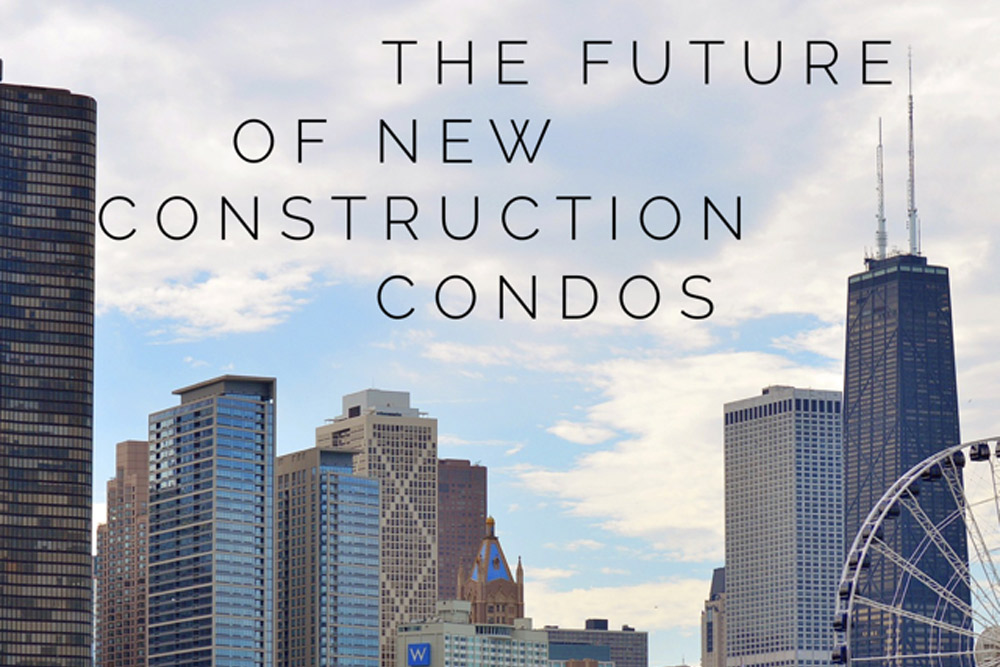
The Future of Chicago New Construction Condos

Great news! The Chicago real estate market is stronger now than it has been in more than a decade. This is due to a healthy economy and the development of Chicago new construction condos. Positive State of the Market Consumer confidence is at a 15 year high. The US stock market is relatively strong. Overall, Chicago housing prices are in-line with historical growth and inflation. Interest rates continue to remain historically low. Inflation is relatively low. Chicago wage growth continues to rise. Employment is at record highs in Chicago’s Cook County.

Low Chicago Real Estate Inventory

While housing inventory is still very low, it has risen from two to four months of supply since the 2016 spring market. Existing homeowners ready to sell should put their Chicago condo on the market now. This is because it will likely sell fast. The average number of days on the market is short and good properties sell quickly.

More Chicago New Construction Condos

Noteworthy is the shift to more sales of new construction real estate. Builders are more optimistic this year. They are comfortable building developments to cater to an audience of buyers who want to brand new condos. The Chicago new construction condos being built are mostly high-end. The cost of construction and materials has gone up in recent years. Floor plans are larger, around 2,000 square feet or more, and feature two or three bedrooms. Consequently, starting prices are close to a $1,000,000 and above.

The Target Market

Chicago has more opportunity and affordability than most other major cities in the country. The real estate market in Chicago has a lot of potential because of its large Millennial (people ages 25-34) population. Significantly, Chicago has 11% more Millennials than other major cities and this is the demographic currently buying real estate in Chicago. Forty-three percent of mortgage purchases in Cook County in 2016 went to people under the age of 35.

In conclusion, the general environment for buying and selling housing remains positive in Chicago. Last year was great and the 2017 forecast looks to be even stronger for the future of Chicago new construction condos.

If you are interested in learning more about purchasing, or selling, a condo in downtown Chicago, click the button below to connect with our experienced Chicago real estate brokers.

Forecast Says: Buy a Chicago Condo Right Now

Is the winter Chicago real estate market warming up?

Data released this week from the Chicago Association of Realtors shows signs of a very active winter real estate market in Chicago. The number of homes under contract in December 2016 were up 33% from the same time period in 2015. In the city, buyers put 1,716 homes under contract in the four weeks ending just before Christmas.

Crain’s Chicago Business points out that while not all of these contracts will end up as closed deals in the next one to two months, a majority of them will. This will ultimately result in an increase in the number of closings in January and February 2017.

With more closed transactions comes higher listing/sale prices. This means people looking to buy a Chicago condo should start the process right now before the competitive spring real estate market becomes even hotter.

Spring is usually a popular time for people interested in buying real estate in Chicago. Buyers can often find themselves in bidding wars, or miss out entirely on a listing because it goes under contract quickly.

The Luxury Living Chicago Realty team’s advice, especially in light of the new data, is to get ahead of the competition and start the process of searching for a new home right now.

If you are interested in learning more about purchasing a condo in downtown Chicago, click the button below to connect with one of our experienced Chicago real estate brokers.

Most Expensive Home Sales in Chicago 2016

he Chicago real estate market made a nice comeback in 2016 and the luxury condo Chicago market is on pace to do well in the new year. Most new construction condos currently under development and in pre-sale are on the ultra-luxury scale.

Of course big spenders want the newest and nicest, so they are looking to purchase condos located in splashy Chicago real estate developments right in the heart of downtown like 4 East ElmNo. 9 Walton, and St. Regis Chicago (formerly Vista Tower).

Curbed Chicago recently listed the top 10 biggest sales in Chicago for 2016. 

The list features penthouse units at new developments, new construction town-homes in Lincoln Park for sale, and raw spaces ripe for a buyer looking to flex their design muscles.

Of course, no most expensive home sale list would be complete without a celebrity addition. The actor Vince Vaughn had difficulty selling his large triplex penthouse at the Palmolive Building so he decided to split the penthouse space up into two distinct units. After re-listing, the first penthouse unit sold quickly for $8 million in the fall of 2016.

Four Things to Know Before Buying a Downtown Chicago Condo

For many renters, buying a downtown Chicago condo is the next logical step after renting an apartment for several years. If you enjoy high-rise living and believe you are committed to living downtown for the next five to 7 years, then purchasing a Chicago condo is definitely something that should be explored.

What do you need to know before you buy a Downtown Chicago condo?

1.) How much rent do you pay?

If you’re paying more than $2400 per month in rent, then you could potentially get a mortgage for less. In some neighborhoods with lower prices, mortgages can range from $1800-2200 per month.

2.) Where do you want to live?

The western and northern neighborhoods (like Lincoln ParkBucktown, and Lakeview) are currently more of a seller’s market. When a seller puts something attractive on the market, it’s likely to sell quickly. However, if you want to live in the more central, downtown neighborhoods like Streeterville or River North, it’s a more of a buyers market because there is more supply, which means more to choose from.

3.) How much money do you need to put down?

A lot of buyers believe they need to put 20% down, but in reality, your down payment can be as low as 5%. This means you might not need to have as much money saved up as you had previously thought. It’s always best to speak with a mortgage broker before beginning the process of buying a downtown Chicago condo. Mortgage brokers will help you understand what you can afford and what types of loan options are available.

4.) What do you hope to gain from buying?

It’s very important to think about this before starting the sales process. Some people have a more romantic approach , where they’re looking for a home, while others are more financially focused and are looking to make an investment. A buyer’s perspective is a big driving factor behind the search because it will determine what types of available listings you’ll see.

Chicago Home Sales Up in August 2016

After a dip in July 2016, the number of Chicago home sales increased in August 2016.

Sales increased 7.6 percent, with 11,906 homes sold in the nine-county area, up from 11,066 during August 2015, according to Illinois Realtors. The median price increased 4.5 percent to $230,000.

In the city of Chicago, home sales rose 2.6 percent with a median price of $275,000, a 1.5 percent increase. The condo market was relatively flat, with sales up less than 1 percent, and the median price down slightly to $304,000.

The Luxury Living Chicago Realty sales team‘s median sale price is higher than the city wide number, with an our average sale price coming in at $529,000 for the month of August 2016. This is because we specialize in downtown Chicago condos for sale.

Read the full Chicago home sale report here.

Avoid First-Time Chicago Home Buyer Mistakes

Buying your first Chicago home is a very exciting time in your life. The entire experience is new. It is imperative to work with a Chicago real estate team that understands the unique concerns and needs of someone purchasing Chicago real estate for the first time.

There are a few things you should keep in mind when searching for downtown Chicago real estate to buy. Recognizing some of the pitfalls of purchasing real estate will help you navigate the sales process seamlessly.

1.) Don’t Become Emotional

It’s very easy to become emotionally invested in real estate purchases. Perhaps the property brings about a feeling of nostalgia, or you can already envision your entire life living there and it seems perfect. However, don’t let your emotions get the better of you. Looking at a home objectively will help you steer clear of what happens when you make an emotional purchase – overspending.

2.) Don’t Spend More Than You Can Afford

Speaking of overspending, set a realistic budget and stick to it! When establishing your price range, remember to include costs of any upgrades you would like to make, utility payments, assessments and property taxes.

Meeting with a Chicago mortgage lender to get pre-approved will help to create a budget for you and your real estate agent.

3.)  Don’t Continue to Shop

Once you have found a home that meets most of your required needs, in a location that works for you, within your established budget then it is time to stop shopping. Continuing to look at real estate will only cause paralysis by analysis. Be confident in your decision and happy you have found a place to call home.
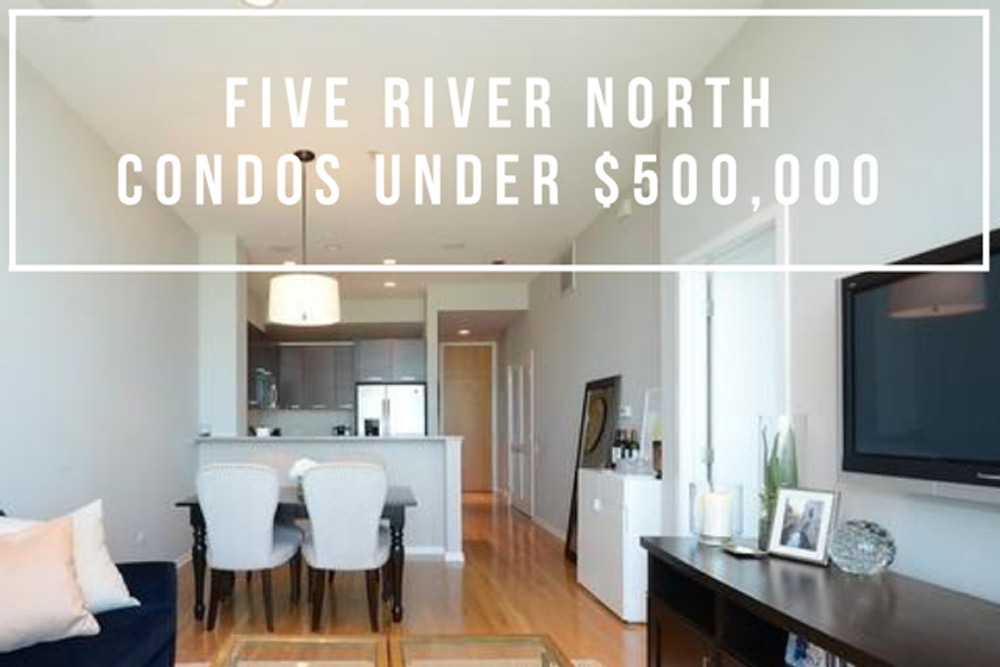
Following the above advice will help you keep a clear head when searching for your first Chicago home to buy. Above all else, remember to have fun. Buying your first home is a once in a lifetime experience.

Which Chicago Neighborhoods Are Homes Selling Over Asking Price?

According to the Chicago Local Market Tracker from Redfin for July 2016, 45.6 percent of homes in the West Loop sold for over asking price, the second highest rate in the city behind Humboldt Park. Typical homes in the West Loop sold in 41 days, tied with Logan Square and West Town for fourth fastest in the city, trailing only Brighton Park, Humboldt Park and Ukrainian Village.

Not surprisingly, the Gold Coast had the most expensive market in July, with a typical residence selling for $520,000. It was the only neighborhood to reach half-a-million. Wicker Park, North Center, Lincoln Park and Bucktown rounded out the top five most-expensive neighborhoods in Chicago.

You can read the whole report here.

Featured Listing: Old Town Two Bedroom Condo For Sale With Rooftop Deck

1509 N. Hudson #4
Unit & Neighborhood: Old Town Two Bedrooms Condo

Offered At: $574,900

The Scoop: This top floor penthouse unit offers soaring ceilings, skylights, and tons of natural light. Perfect for entertaining, the open floor plan features oak floors, fire place, brand-new kitchen appliances, and granite countertops. The expansive master suite offers two closets with custom build outs, a Whirlpool tub with separate shower, and brand-new double vanity sink. The Old Town condo also features a private rooftop deck wired for sound with unobstructed skyline views.

Steps from: Wells Street and the CTA Sedgewick stop

Parking: Garage spot included

Contact: Axel Cohen – Axel@LuxuryChicagoApartments.com or 847-275-4536

UPDATE: This listing sold in December 2016. 

Wanda Vista Chicago Condos in Streeterville Gets Permit

Curbed Chicago is reporting Wanda Vista Chicago condos have received their first construction permit to start drilling.

This news follows the announcement that the developers have pre-sold enough of their Chicago condos in Streeterville within the development to move the project forward. It is being reported that prices are upwards of $1,000 per square foot. This is definitely a record setter in Chicago.

Contact Luxury Living Chicago Realty if you are interested in buying a Chicago condo in the Studio Gang-designed Wanda Vista skyscraper, or any where else in the downtown Chicago real estate market.

Work With Us

Get in touch with Luxury Living's team of experienced licensed real estate brokers and take the first step in buying or selling a home in Chicago.