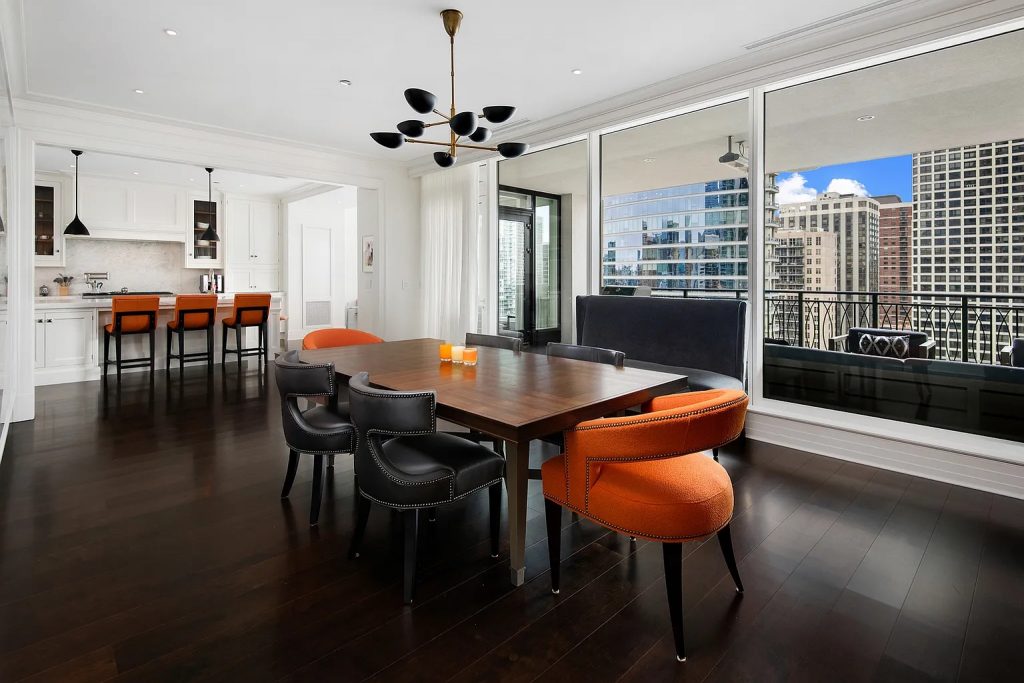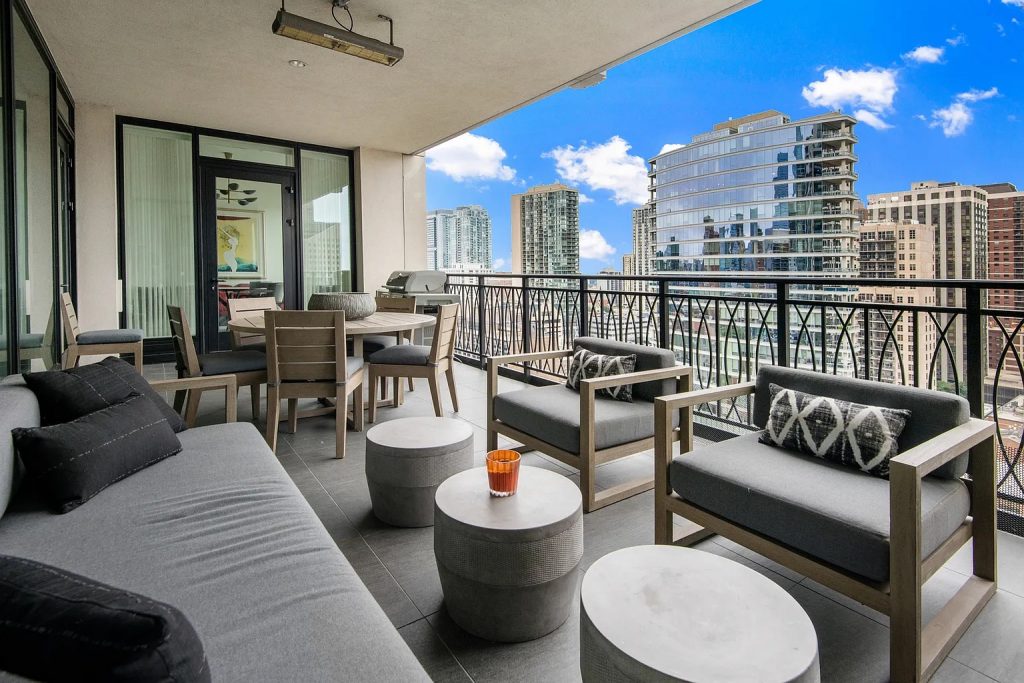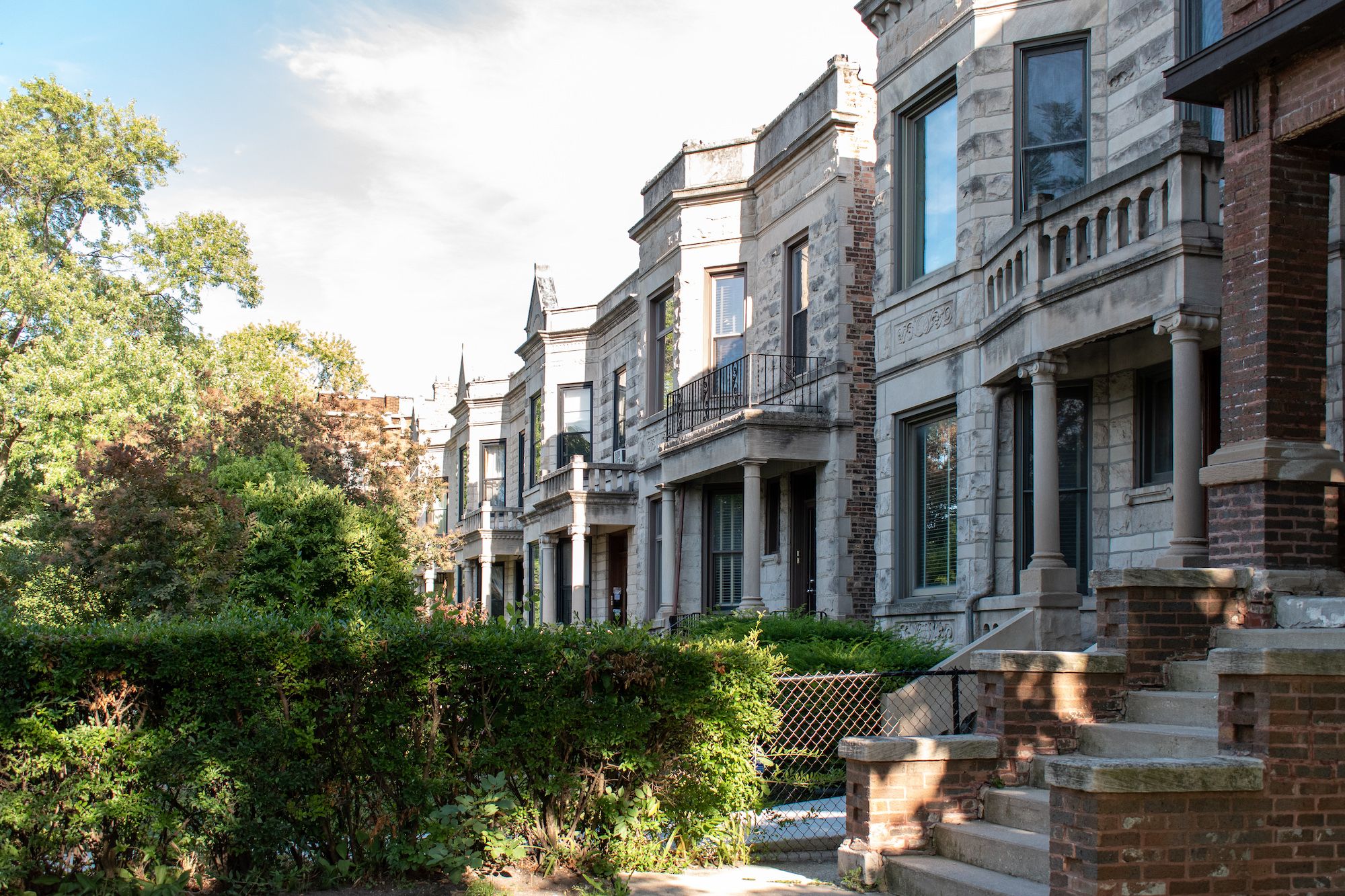
7 Reasons Why Buying a Condo in the Winter Is a Smart Move

Many people assume spring and summer are the only “good” seasons to buy real estate—but experienced buyers know winter is actually one of the best times of year to purchase a condo, especially in a competitive market like Chicago. With fewer shoppers in the winter months, motivated sellers, and smoother timelines overall, the off-season gives buyers advantages they simply won’t find once the spring rush returns.

If you’re considering a move, here’s why winter is one of the smartest times to buy.

1. Less Buyer Competition in the Winter

Winter naturally sees fewer active buyers. Many households pause their search due to holidays, travel, school schedules, or weather. As a result, the market becomes far less crowded, making it easier for serious buyers to explore properties without feeling rushed.

With fewer people viewing each listing, you gain the freedom to tour condos at your own pace, ask deeper questions, and make thoughtful decisions. This quieter environment also means fewer competing offers—reducing the likelihood of bidding wars and giving you more breathing room to evaluate your options.

2. More Motivated Sellers During the Off-Season

Sellers who list in the winter typically have a stronger reason to sell—whether they’re relocating, closing out a fiscal year, hoping to avoid carrying costs into spring, or simply motivated to move their property rather than wait for peak season.

This motivation creates prime opportunities for buyers. Sellers may be more open to price discussions, willing to make concessions, or flexible with closing and move-in timelines. Developers, in particular, often introduce year-end incentives or early-year promotions, making winter an ideal time to secure value that may not be available later.

3. Increased Negotiating Power

When competition drops, buyers gain leverage. Without multiple competing offers on the table, you have more room to negotiate on pricing, terms, or extras. Winter also shifts the dynamic slightly more in favor of the buyer—sellers are typically more receptive to reasonable requests during slower months.

This may include negotiating for closing credits, upgraded appliances or finishes, small repairs, HOA considerations, or a more favorable closing timeline. During peak season, these types of concessions are less common, particularly in high-demand buildings. In winter, however, it’s much easier to shape an offer that aligns with your needs.

4. Faster, More Efficient Closing Timelines

One of the biggest perks of buying in winter is how much faster the entire process moves. The lighter market activity means lenders, attorneys, and title companies often have quicker turnaround times, allowing you to move through contract-to-close with fewer delays.

Loan approvals may be processed faster, scheduling is easier, and documents can move more swiftly between parties. For buyers aiming to be settled before spring—or those who simply prefer a smoother, more predictable closing process—winter offers an ideal window.

5. Better Access to Inspectors, Appraisers & Vendors

Inspectors, appraisers, and contractors often have fuller schedules in spring, which can create bottlenecks or delays in your home-buying timeline. In the winter months, however, these professionals typically have more capacity. That means faster scheduling, more availability for follow-up inspections, and quicker turnaround on reports or repair estimates.

This added flexibility reduces stress and keeps your transaction on track. It also gives you time to be thorough—ensuring the property is evaluated properly before moving forward.

6. More Relaxed, Private Showing Experiences

Winter showings offer a distinctly different experience compared to busy spring weekends filled with back-to-back tours. With fewer buyers in the market, you’re more likely to enjoy private or near-private showings, allowing you to truly experience the space.

You’ll have more time to walk through units, explore building amenities, and revisit condos without feeling pressured by other buyers waiting in line. This level of calm and privacy can be invaluable when evaluating a luxury property where design, finishes, and lifestyle details play such a significant role in your decision.

7. A Strategic Window Before Spring Competition Returns

The spring market is known for its surge in buyer activity—and with it comes faster-moving inventory, higher competition, and increased pressure. By purchasing in the winter, you position yourself to seize opportunities early, secure better pricing, and avoid the frenzy that typically begins in March and April.

For buyers who value thoughtful decision-making, negotiating power, and more flexibility, winter offers a rare combination of benefits that can lead to a more successful and less stressful purchase.

Ready to explore Chicago’s best luxury condos this winter?

Our team can guide you through the market, schedule private showings, and help you take full advantage of this strategic season to buy. Just reach out, and we’ll take it from there.


Should You Buy a Chicago Condo in 2025 or 2026? What Today’s Rates Mean for the Market

The Fed has just cut interest rates, and the ripple effects are already being felt across the housing market. Mortgage rates have dipped in response, giving buyers an extra $30,000+ in purchasing power compared to earlier this year.

For anyone thinking about whether to buy a Chicago condo in 2025 or 2026, these changes are creating exciting opportunities.

Buyers: More Affordability, Bigger Budgets

Lower rates aren’t just numbers—they’re opportunity. Homes that felt out of reach just months ago are now within your grasp.

For example, a $450,000 condo at 6% comes with an estimated all-in monthly cost of about $3,450 (including mortgage, taxes, insurance, and HOA fees), compared to roughly $3,750 at 7%. On a $600,000 condo, the gap is even wider: around $4,575 per month at 6% versus $5,050 at 7%.

Suddenly, you can afford more square footage, upgraded finishes, or a coveted building with concierge services, rooftop decks, and luxury amenities. Buyers acting now can maximize their budget and secure the condo they want before competition heats up further.

Homeowners: Refinances Are Back

If you’re already in your condo and rates have dropped below your current mortgage, it’s worth exploring refinancing.

For example, a $450,000 condo could save you around $296 per month by dropping from 7% to 6%, while a $600,000 condo could save about $394 per month. Keep in mind, refinance closing costs are typically around 2% of the loan, or about $9,000 for $450K or $12,000 for $600K—so you’ll want to consider how long you plan to stay in your home to ensure you recoup those costs.

Many homeowners who plan to stay 3 years or longer can lock in meaningful monthly savings, freeing up cash to invest, renovate, or simply enjoy more financial flexibility as you plan ahead for the remainder of 2025 and 2026.

Sellers and Agents: A Surge of Activity

Applications and showings are already climbing. For sellers, this could mean more competition and faster sales in the luxury condo market. For agents, it’s a period of heightened activity as buyers jump back into the market, especially those who were waiting on the sidelines for rates to dip.

Timing Is Everything

Even with the Fed’s cut, mortgage rates aren’t guaranteed to keep falling. Last year, rate cuts were followed by rising rates shortly after, meaning the current window may be brief but impactful.

If you’re considering whether to buy a Chicago condo in 2025 or 2026, acting sooner rather than later could make a significant difference in what you can afford and which properties are available.

Why Having an Expert Matters

Buying in today’s competitive market isn’t easy—inventory moves fast, and timing is everything. That’s why having an experienced professional by your side is crucial. At Luxury Living Chicago, we guide buyers through every step, from finding the perfect condo to negotiating the best terms.

Ready to get started on your search? Reach out to Luxury Living today and let’s find your dream Chicago condo.

Top Chicago Neighborhoods for Luxury Condo Investments: River North, West Loop, Gold Coast & More

When it comes to buying a luxury condo in Chicago, location is everything. Certain neighborhoods not only offer premier living experiences but also strong investment potential.

Here’s a closer look at some of the top areas for luxury condo buyers and investors in 2025 and 2026, including average condo prices, all-in monthly costs, and typical bedroom counts.

1. River North

River North is known for its vibrant arts scene, nightlife, and fine dining, attracting young professionals and international buyers. The neighborhood’s high demand for rentals and condos creates strong appreciation and rental income opportunities. With walkable streets, boutique shopping, and proximity to the Loop, River North offers both lifestyle and investment appeal.

  • Average condo price: ~$650,000
  • Typical bedrooms: 1–2
  • Estimated monthly payments (30-year mortgage, 20% down):
    • 6% → ~$4,995/month
    • 7% → ~$5,340/month

2. West Loop / Fulton Market

Once an industrial district, the West Loop has transformed into Chicago’s culinary and tech hub, attracting new developments and modern luxury condos. Rapid appreciation over the last decade and strong interest from tech professionals and entrepreneurs make it an attractive market for investors. Trendy restaurants, art spaces, and easy access to public transit create a dynamic urban lifestyle.

  • Average condo price: ~$750,000
  • Typical bedrooms: 2–3
  • Estimated monthly payments:
    • 6% → ~$5,645/month
    • 7% → ~$6,042/month

3. Gold Coast

The Gold Coast is synonymous with historic luxury, iconic architecture, and lakefront access. Its long-standing desirability ensures steady, long-term appreciation, with strong demand from affluent buyers. Tree-lined streets, high-end shopping on Oak Street, and cultural attractions provide a prestigious and convenient lifestyle.

  • Average condo price: ~$1,000,000
  • Typical bedrooms: 2–3
  • Estimated monthly payments:
    • 6% → ~$7,867/month
    • 7% → ~$8,398/month

4. Near North / Streeterville

Near North and Streeterville offer a prime location close to Navy Pier, the Magnificent Mile, and Chicago’s lakefront, making the area ideal for both full-time residents and short-term rental investors. Luxury amenities, museums, and easy access to downtown work and entertainment make these neighborhoods highly desirable for buyers seeking convenience and high rental demand.

  • Average condo price: ~$800,000
  • Typical bedrooms: 2
  • Estimated monthly payments:
    • 6% → ~$6,148/month
    • 7% → ~$6,576/month

5. Lincoln Park

Lincoln Park combines classic Chicago charm with modern convenience, attracting families and long-term investors. Known for top schools, proximity to the lake, and tree-lined streets with boutique shops and dining, Lincoln Park offers both lifestyle and stability. Its strong appreciation history and family-friendly environment make it a smart choice for long-term luxury condo investments.

  • Average condo price: ~$700,000
  • Typical bedrooms: 2
  • Estimated monthly payments:
    • 6% → ~$5,344/month
    • 7% → ~$5,714/month

Making the Right Investment

Luxury condo investing isn’t just about picking a neighborhood—it’s about understanding market trends, future development, and lifestyle appeal. Whether you’re looking to buy your next condo in 2025 or 2026 or invest in Chicago’s high-end rental market, having an experienced local advisor can help you navigate the options and maximize your return.

Ready to explore luxury condo investments in Chicago? Reach out to Luxury Living today and start your search in the city’s most coveted neighborhoods.

The Orchard Private Residences: Boutique Luxury Living in Lincoln Park

In Chicago’s luxury condo market, The Orchard in Lincoln Park has carved out a niche as one of the city’s most desirable boutique developments. Blending timeless design, privacy, and a highly walkable neighborhood setting, The Orchard offers buyers a rare opportunity to enjoy both refined living and the charm of one of Chicago’s most iconic communities.

Whether you’re searching for your next home or simply curious about what makes The Orchard so unique, here’s everything you need to know.

Coveted Lincoln Park Location

Located at 2350 N Orchard Street, this boutique development places residents in the heart of Lincoln Park, one of Chicago’s most beloved neighborhoods. Just steps away are tree-lined streets, award-winning restaurants, and the luxury shopping of Armitage Avenue. You’re also within walking distance to Oz Park, the Lincoln Park Zoo, and the lakefront—making it the perfect blend of neighborhood tranquility and city accessibility.

Boutique Exclusivity

The Orchard offers just 32 condominium residences, ensuring a level of privacy and intimacy rarely found in new construction. Spacious floor plans, private outdoor terraces, and expansive windows bring in abundant natural light, while custom layouts allow buyers to tailor their homes to their unique lifestyles.

Refined Interiors

Residences at The Orchard are designed with elegance and modern convenience. Buyers can expect:

  • Expansive chef’s kitchens with Sub-Zero, Wolf, and Miele appliances

  • Custom cabinetry and millwork

  • Wide-plank hardwood flooring

  • Spa-quality bathrooms with soaking tubs and radiant heated floors

  • Generous private terraces and balconies for seamless indoor-outdoor living

Attention to detail is evident in every corner, with finishes that feel timeless.

Luxury Amenities & Services

Though boutique in size, The Orchard offers a curated selection of lifestyle amenities, including:

  • 24-hour door staff and concierge services

  • Fitness center with state-of-the-art equipment

  • Secure heated parking

  • Private storage and bike rooms

The intimate scale of the building fosters a sense of community while maintaining the privacy that luxury buyers expect.

Discreet Luxury in a Neighborhood Setting

The Orchard appeals to buyers who value a balance of sophistication and community charm. Many residents are downsizers seeking a maintenance-free lifestyle in a familiar neighborhood, while others are professionals and families drawn to Lincoln Park’s schools, parks, and dining scene.

The result is a building that feels less like a high-rise and more like a collection of bespoke homes—yet with all the convenience of luxury condo living.

Thinking About Buying at The Orchard Private Residences?

With only 32 homes, opportunities at The Orchard are rare and highly competitive. If you’re considering a home here, it’s essential to work with a broker who understands the boutique condo market in Lincoln Park and can provide access to both available and off-market listings.

Explore more luxury condos in Chicago or connect with our team to schedule a private showing at The Orchard today.

One Bennett Park Chicago: Where Architecture Meets Ultra-Luxury Living

When it comes to Chicago’s luxury condo market, One Bennett Park stands out as an architectural masterpiece and one of the city’s most elegant addresses. Designed by Robert A.M. Stern Architects, this tower in Streeterville offers residents an mix of sophistication, privacy, and world-class amenities—cementing its place among Chicago’s most coveted luxury buildings.

Whether you’re exploring your next high-end home or simply curious about what makes One Bennett Park so extraordinary, here’s everything you need to know about the building.

Prime Streeterville Location

Located at 451 E Grand Avenue, One Bennett Park is just steps from Lake Michigan, Navy Pier, and Chicago’s iconic lakefront trail. Nestled in the heart of Streeterville, residents enjoy easy access to the Magnificent Mile, fine dining, world-class shopping, and cultural destinations like the Museum of Contemporary Art and Chicago Symphony Orchestra. Despite being central to the hub of the city, the building borders Bennett Park—an expansive two-acre green space designed exclusively for its residents and the surrounding community.

Exclusive Residences

Rising 70 stories with only 69 condominium residences, One Bennett Park offers both privacy and prestige. Each home features expansive floor plans, private terraces, and panoramic views of Lake Michigan and the Chicago skyline. The design emphasizes natural light, flowing layouts, and timeless elegance.

Timeless, High-End Finishes

Every detail at One Bennett Park reflects craftsmanship and refinement. Inside, buyers will find:

  • Custom-designed millwork and cabinetry

  • Natural stone countertops and marble bathrooms

  • Wide-plank hardwood flooring

  • Chef-inspired kitchens with Sub-Zero and Wolf appliances

  • Spa-like baths with soaking tubs and radiant heated floors

Residences were designed with flexibility in mind, blending classic design with modern conveniences to create homes that are both functional and luxurious.

Amenities That Redefine Luxury

One Bennett Park offers a suite of amenities that rival five-star resorts. Residents enjoy:

  • 24-hour door staff and concierge service

  • Indoor and outdoor pools

  • Fitness center with Pilates, yoga, and training studios

  • Private dining and entertaining spaces

  • Children’s playroom and teen lounge

  • Landscaped terraces and outdoor lounge areas

  • Direct access to the 2-acre Bennett Park

The combination of green space, wellness-focused amenities, and social gathering areas creates a community feel rarely found in a luxury high-rise.

Architectural Prestige & Lifestyle Appeal

As Robert A.M. Stern’s first residential tower in Chicago, One Bennett Park is as much a work of art as it is a place to live. Its limestone façade and elegant silhouette have redefined the city’s skyline, making it a landmark of both architectural and residential excellence.

Residents here range from executives and entrepreneurs to downsizers seeking lock-and-leave convenience, all united by a shared appreciation for timeless design and unparalleled service.

Thinking About Buying at One Bennett Park?

Inventory at One Bennett Park is limited and in high demand. If you’re considering a home here, it’s essential to work with a broker who specializes in luxury condominiums and has insight into both on- and off-market opportunities.

Our team has the expertise and connections to help you secure your perfect residence at One Bennett Park—or explore other ultra-luxury condos across Chicago.

Explore more luxury condos in Chicago or reach out to schedule a private showing today.

9 Walton Chicago: Inside the Gold Coast’s Most Prestigious Condo Address

When it comes to ultra-luxury condos in Chicago, 9 Walton stands in a class of its own. Located in the heart of the Gold Coast, this boutique high-rise combines privacy, exclusivity, and world-class design—earning it a reputation as one of the most sought-after addresses in the city.

Whether you’re a buyer searching for your next home or simply curious about what makes 9 Walton Chicago condos so exceptional, here’s everything you need to know.

Prime Gold Coast, Chicago Location

Situated at 9 W Walton Street, this building offers the best of Gold Coast living—just steps from Oak Street boutiques, top-tier restaurants, and the scenic lakefront. You’re also close to the Magnificent Mile, yet tucked away on a quieter, tree-lined block.

Ultra-Private Residences

With only 71 units across 38 stories, 9 Walton offers an intimate living experience. Each residence is custom-finished, featuring wide floorplans, expansive terraces, and panoramic views of the Chicago skyline and Lake Michigan.

High-End Finishes

No detail is overlooked at 9 Walton. Buyers will find:

  • Custom millwork and cabinetry

  • Natural stone countertops and tile

  • Hardwood flooring throughout

  • Chef’s kitchens with Wolf, Sub-Zero, and La Cornue appliances

  • Spa-inspired bathrooms with radiant heated floors

Many homes were built-to-suit, so no two units are exactly alike—adding to the building’s allure.

Amenities that Rival Five-Star Hotels

9 Walton is known for its resort-level amenities, including:

  • 24-hour door staff and valet

  • Private wine storage and tasting room

  • Indoor lap pool, steam room, and sauna

  • Pilates and yoga studio

  • House car and chauffeur service

  • Private dining and entertainment spaces

  • Full-service concierge

  • Private elevators

The building’s private club also hosts exclusive resident events, offering a true sense of community.

Luxury extends to your furry companions too. 9 Walton includes a dog run and pet spa, making it one of the most pet-friendly luxury buildings in the city.

Celebrity Residents & Quiet Prestige

9 Walton has garnered attention for its high-profile residents—from athletes to business leaders—yet it maintains a quiet, discreet atmosphere. It’s a place where privacy and prestige coexist, making it a favorite among discerning buyers.

Who Lives at 9 Walton?

9 Walton appeals to luxury buyers who value:

  • Privacy and exclusivity

  • Impeccable craftsmanship

  • Central yet peaceful location

  • A lock-and-leave lifestyle

It’s especially popular with downsizers from the suburbs, executives with multiple residences, and anyone seeking a truly elevated condo experience in Chicago.

Thinking About Buying at 9 Walton?

Inventory at 9 Walton is limited and highly competitive. If you’re interested in owning a condo here, working with an agent who specializes in luxury condos in the Gold Coast is key. Our team has the inside track on off-market listings and recent sales activity—reach out to learn more or schedule a private showing.

Explore more luxury condos in Chicago or connect with our team to find your next high-end home.

9 Modern Condo Living Room Ideas That Maximize Space

Your condo’s living room often serves multiple purposes — it’s where you relax, entertain, work, and unwind. But in a smaller footprint, thoughtful design becomes essential. The good news? With a few smart strategies, your condo living room design can feel spacious, stylish, and totally functional.

Here are 9 modern condo living room ideas to help you make the most of every square foot:

1. Choose Multi-Functional Furniture

When space is at a premium, every piece needs to earn its keep. Look for furniture that serves double duty, like:

  • Ottomans with hidden storage

  • Nesting coffee tables

  • Sofas that convert into guest beds

These help maximize utility without crowding the room.

2. Go Vertical with Storage

If you can’t go wide, go up. Vertical shelving, wall-mounted cabinets, and tall bookcases draw the eye upward and create more storage without eating up floor space. Try floating shelves or a tall media unit to showcase books, decor, and essentials.

3. Stick to a Light Color Palette

Lighter shades—whites, soft grays, and muted neutrals—help bounce light and make your condo feel bigger. Use darker colors as accents through pillows, throws, or artwork to keep the space visually interesting without overwhelming it.

4. Add Mirrors for Depth

A strategically placed mirror can instantly make your living room feel larger and brighter by reflecting light and expanding visual depth. Hang one across from a window or use mirrored furniture for subtle sparkle.

5. Invest in Statement Lighting

A bold floor lamp, sculptural pendant, or stylish sconce can do more than just light up the space—it adds height and draws attention upward. This creates the illusion of a higher ceiling and adds personality to your condo decor.

6. Use Rugs to Define Zones

In open-concept condos, rugs help define separate zones for lounging, dining, or working. Choose a rug that fits your furniture layout, not just the room size—it should sit under at least the front legs of your sofa and chairs.

7. Keep Window Treatments Simple

Bulky drapes can make a room feel closed-in. Instead, opt for sheer or minimal window treatments to let in as much natural light as possible. Natural light helps open up the space and gives your living room a fresh, airy vibe.

8. Curate Your Decor

When it comes to condo decorating ideas, less is often more. Keep surfaces uncluttered by displaying only a few meaningful or eye-catching items. A well-styled shelf or coffee table with a mix of books, candles, and greenery goes a long way.

9. Maximize Corner Space

Don’t overlook your corners—they’re prime real estate in a smaller living room. Use a corner shelf, a compact accent chair, or even a tall plant to bring life and function to those underutilized spots.

Final Thoughts

Living in a condo doesn’t mean sacrificing style or comfort. With the right layout, smart furniture choices, and a bit of creative thinking, your condo living room can feel just as spacious and luxurious as any larger home.

Need help finding a condo with the perfect layout to bring your design vision to life? Our team specializes in helping buyers discover homes that check all the boxes—location, lifestyle, and livability. Let us know what you’re looking for, and we’ll help you find it.

Connect with us today!

West Loop Condos for Sale: Where Luxury Meets Lifestyle

If you’re exploring West Loop condos for sale, you’re not alone. This once-industrial neighborhood has transformed into one of Chicago’s most sought-after destinations for luxury condo living. From sleek high-rise buildings to stylish boutique developments, West Loop blends rich history with cutting-edge architecture, creating a dynamic environment perfect for modern city dwellers.

Whether you’re relocating, investing, or ready to call Chicago home, here’s what you should know about life—and real estate—in this coveted neighborhood.

What’s It Like Living in West Loop?

Living in West Loop means embracing the best of urban life with a community feel. The neighborhood is known for its culinary scene—home to Randolph Street’s “Restaurant Row”—featuring award-winning chefs and Michelin-starred restaurants.

You’ll also find vibrant green spaces like Mary Bartelme Park, popular with dog lovers and families alike, and an abundance of local cafes, artisan shops, and art galleries. West Loop offers the walkability of downtown with a slightly slower pace, perfect for those who want energy without chaos.

Beyond lifestyle perks, the area is ideal for young professionals, couples, and families alike, with highly rated schools, new developments, and a strong sense of neighborhood pride.

Companies Headquartered in West Loop Chicago

West Loop has grown into a powerful business hub, with corporate giants and fast-growing startups calling it home. Key companies headquartered or with large offices in the area include:

  • McDonald’s Global Headquarters

  • Google Midwest HQ

  • LinkedIn

  • Ferrara Candy Company

  • Glassdoor

  • Mondelēz International

This growing business presence brings career opportunities—and keeps the demand for nearby housing strong.

Find West Loop Condos for Sale With the Features You Want

Searching for the perfect condo in West Loop? With our condo search tool, you can easily filter listings by:

  • Neighborhood: Focus your search exclusively in West Loop

  • Budget: Whether you’re looking under $500K or luxury listings over $1M

  • Features: From private balconies and chef’s kitchens to rooftop decks, in-unit laundry, and parking options

  • Building Amenities: Search for condos with pools, fitness centers, doormen, or pet-friendly perks

Our listings are updated daily, giving you real-time access to the most accurate inventory of West Loop condos for sale.

Start your search now

West Loop Condo Living: The Best of Both Worlds

Whether you’re seeking a sleek high-rise with skyline views or a boutique loft conversion full of character, West Loop offers unmatched options for luxury condo living. It’s a place where creative energy, career opportunity, and comfort all intersect—and the real estate market reflects that with strong appreciation and enduring demand.

Ready to Start Your Condo Hunting Journey?

Navigating the West Loop condo market can be competitive—but you don’t have to do it alone. Our experienced team at Luxury Chicago Condos is here to make your search seamless and successful.

Let’s help you find your dream home in one of Chicago’s most exciting neighborhoods.

Connect with us today to start your West Loop condo journey.

What to Expect for Condo Maintenance and Condo Maintenance Fees

Buying a condo offers many perks—from urban convenience and shared amenities to fewer responsibilities compared to owning a single-family home. However, a key element that often surprises first-time buyers is condo maintenance and the associated condo maintenance fees. Understanding what these fees cover and how they’re managed can help you make informed decisions and avoid future frustration.

In this guide, we’ll break down what you should expect when it comes to condo maintenance responsibilities and fees.

What Is Condo Maintenance?

Condo maintenance refers to the ongoing care and upkeep of the shared areas and systems in a condominium community. While you own your individual unit, everything outside of it—hallways, lobbies, roofs, elevators, amenities, and the building structure—is typically maintained by a condo association or homeowners’ association (HOA).

This includes:

  • Landscaping and lawn care

  • Snow and trash removal

  • Repairs to roofs, exterior walls, and common plumbing/electrical

  • Janitorial services for shared spaces

  • Maintenance of amenities like pools, gyms, or clubhouses

  • Elevator upkeep

  • Pest control in common areas

  • HVAC maintenance (if shared)

What Are Condo Maintenance Fees?

Condo maintenance fees, also known as HOA fees or association dues, are monthly payments made by unit owners to cover the cost of maintaining and operating the building’s common areas and systems.

What They Typically Cover:

  1. Building Repairs & Upkeep

    • Exterior painting, roof repairs, hallway lighting

  2. Utilities for Common Areas

    • Water, electric, gas (for lobbies, hallways, shared amenities)

  3. Staff Salaries

    • Doormen, maintenance crews, concierge, property managers

  4. Insurance

    • Master policy covering the building structure and liability for common areas

  5. Amenity Operations

    • Pool cleaning, gym equipment upkeep, security systems

  6. Reserve Fund Contributions

    • Future major repairs or upgrades (like replacing a roof or elevator)

How Much Are Typical Condo Maintenance Fees?

Maintenance fees vary widely depending on:

  • Location (Urban condos generally cost more)

  • Size and age of the building

  • Included amenities

  • Number of units sharing the costs

General Ranges:

  • Basic condos with few amenities: $200–$400/month

  • Mid-range buildings with amenities like a gym or doorman: $400–$800/month

  • Luxury high-rises with concierge, pool, and full services: $800–$2,500+/month

In some cities (like New York or San Francisco), it’s not uncommon for fees to be over $3,000/month in ultra-luxury buildings.

Why Fees May Change Over Time

Condo maintenance fees aren’t fixed forever. They can increase based on:

  • Inflation and rising labor costs

  • Aging building infrastructure

  • New amenities added

  • Inadequate reserve funds

  • Emergency repairs (e.g., unexpected roof damage)

It’s critical to review the building’s financial statements and reserve study before purchasing a condo. A well-managed building plans ahead for large expenses and avoids frequent special assessments (one-time charges for major repairs).

Who Handles the Maintenance?

Most condos are managed by a property management company hired by the condo board. These professionals coordinate repairs, manage budgets, handle staffing, and communicate with residents. However, some smaller buildings may be self-managed.

As a unit owner, your main responsibility is maintaining the interior of your unit—walls, flooring, fixtures, and appliances—while the association takes care of everything outside.

Pros & Cons of Condo Maintenance Fees

✅ Pros:

  • Predictable monthly budgeting

  • No stress over exterior repairs

  • Access to amenities without individual upkeep

  • Professional management

❌ Cons:

  • Can be costly in high-end buildings

  • May rise over time

  • Fees must be paid regardless of usage (e.g., if you never use the pool, you still pay for it)

  • Risk of mismanagement or poor financial planning

Tips Before You Buy

  • Ask for a full breakdown of monthly fees

  • Review the reserve fund status and last reserve study

  • Check for history of special assessments

  • Understand what’s included (and not)

  • Talk to current residents if possible

Final Thoughts

Condo maintenance and the associated fees can be both a benefit and a financial obligation. When well-managed, they free you from the burdens of exterior upkeep while giving you access to desirable amenities and community perks. But they also require a commitment to monthly payments and trust in your condo board’s financial decisions.

As with any real estate investment, due diligence is key. By understanding what to expect from condo maintenance and condo maintenance fees, you’ll be in a better position to choose the right home—and lifestyle—for your needs.

Ready to find your next Chicago condo? Our team lives and breaths the Chicago real estate market, and can help you make the most informed decision for your next home purchase. Get in touch with our team today to start your search!

Is a Chicago Condo a Good Investment in 2025? Here’s What You Should Know

If you’re considering buying a condo in Chicago this year, you’re not alone. With interest in urban living rebounding and luxury amenities on the rise, many buyers are wondering: is a Chicago condo a smart investment in 2025? The short answer? Yes—if you know what to look for. Let’s break down why Chicago condos remain a strong long-term play and how to make the most of your purchase.

📈 Market Snapshot: Why 2025 Is a Strategic Time to Buy

After a few years of fluctuating rates and shifting demand, Chicago’s condo market is stabilizing—especially in luxury and high-demand neighborhoods like the West Loop, River North, and Gold Coast. Inventory levels are more balanced, prices are steady, and interest rates, while still elevated from historic lows, have begun to normalize.

Buyers in 2025 are benefiting from:

  • Less competition than peak pandemic years

  • More motivated sellers, especially in older high-rises

  • A growing demand for in-city living from remote workers and downsizers

💼 Condo vs. Single-Family Home: What Makes Condos a Smarter Investment?

Condos often offer lower maintenance, central locations, and high rental demand, making them attractive for both primary homeowners and investors. Plus, with amenities like gyms, rooftop decks, and doormen included, the value-per-dollar is often higher than similarly priced homes in the same areas.

For investors, condos provide:

  • Easier upkeep and management

  • Stronger short- or long-term rental potential in the right buildings

  • Lower upfront costs compared to single-family homes

💸 Appreciation & Equity: Will My Condo Grow in Value?

While appreciation depends on location, building, and timing, Chicago condos have historically shown steady growth—especially when held for 5+ years. In high-demand areas and newer buildings, buyers can expect value to rise alongside neighborhood development, infrastructure improvements, and overall market trends.

Bonus: if you buy in an up-and-coming neighborhood like Avondale or Bronzeville, you may see accelerated appreciation as those areas continue to attract new developments.

🌟 Top Tips to Maximize Your Investment in 2025

  1. Choose the Right Neighborhood
    Prioritize proximity to transit, dining, retail, and lakefront access.

  2. Pay Attention to HOA Health
    Look at reserve funds, upcoming assessments, and building upkeep to avoid hidden costs.

  3. Think Resale From Day One
    Open layouts, private outdoor space, and natural light always boost value.

  4. Consider Rentability
    Even if you plan to live in it, make sure your unit could rent easily if needed.

  5. Partner With a Local Expert
    Chicago’s market is hyper-local. A knowledgeable agent can help you navigate the best buildings and investment opportunities.

🏁 Final Verdict: Is a Chicago Condo a Good Investment in 2025?

If you’re thinking long-term and buying smart, a Chicago condo can absolutely be a strong, wealth-building investment. With a growing population of remote workers, young professionals, and downsizers drawn to city living, demand for condos will only continue to rise. Whether you’re buying your first home or adding to your real estate portfolio, now is a great time to make your move.

Ready to start your search? Connect with our experienced team of professionals today!

Rent vs. Buy in Chicago: What $3K Gets You & The Benefits of Homeownership

If you’re deciding between renting and buying in Chicago, you’re not alone. With rising rents and shifting market trends, many are wondering if their $3,000 monthly budget is better spent on rent—or invested in a home. Here’s a breakdown of what $3K gets you on both sides of the equation, and why now might be the right time to consider homeownership.

What $3,000 Gets You in Rent

In today’s rental market, $3,000/month can get you a high-end one-bedroom apartment. Think top-tier amenities like rooftop pools, coworking lounges, and fitness centers. You’re paying for convenience and location: prime walkability, zero maintenance responsibility, and the ability to move when life changes.

Typical features at this price point:

  • Prime locations (River North, West Loop, Fulton Market)

  • Modern finishes, in-unit laundry, floor-to-ceiling windows

  • Full amenity buildings with doormen and gyms

But keep in mind: rent is 100% expense. That money builds no equity, and rent prices tend to increase over time.

What $3,000 Gets You as a Homeowner

With a $3K monthly budget, factoring in mortgage, taxes, and HOA dues, you’re in the ballpark to own a condo priced around $400,000–$450,000 (depending on loan terms and down payment). That opens the door to one-bedrooms or smaller two-bedrooms in desirable neighborhoods, with similar high-end finishes to top-tier rentals.

You’re no longer just paying for a place to live—you’re building equity, gaining tax benefits, and locking in predictable payments with a fixed mortgage.

Key Benefits of Homeownership

1. Equity Building
Unlike rent, which disappears each month, your mortgage payments gradually build ownership in your property—aka equity. Over time, this becomes a major asset that contributes to your overall net worth. The longer you own, the more you build—especially as your home appreciates in value.

2. Stability & Predictability
With a fixed-rate mortgage, your monthly principal and interest payments stay the same year after year. No surprise rent hikes, no renegotiating leases. Just peace of mind and financial consistency, which makes budgeting for the long term easier and less stressful.

3. Tax Advantages
Homeownership can come with significant tax perks. You may be able to deduct mortgage interest, property taxes, and even certain home-related expenses—reducing your overall tax liability. This can help offset the upfront costs of buying and make monthly payments more manageable than they seem at first glance.

4. Creative Freedom
When you own your home, you make the rules. Want to paint a mural wall, upgrade your kitchen, or install built-ins? Go for it. You have the freedom to design your space to reflect your lifestyle and taste—no landlord approval necessary.

5. Long-Term Investment
Real estate has historically been one of the most reliable paths to wealth-building. As home values appreciate, especially in a high-demand city like Chicago, your property becomes more than a place to live—it becomes a financial asset with long-term payoff potential.

6. Community & Belonging
Homeownership often leads to a stronger sense of connection with your neighborhood. You’re more likely to engage with your community, invest in your surroundings, and develop long-lasting relationships—all of which can improve quality of life.

7. Forced Savings Plan
Paying a mortgage is essentially a built-in savings strategy. Rather than spending money on rent, you’re putting it toward something that will benefit your future self. As your loan balance goes down and your property value goes up, you’re building real wealth with every payment.

So… Should You Rent or Buy?

It comes down to your lifestyle, timeline, and financial goals. If you value flexibility and convenience, renting may be the way to go—especially short-term. But if you’re thinking long-term and want to turn your monthly payment into an investment, buying could be a smart move.

Need help figuring out your best move?
Whether you’re ready to buy or exploring your options, our team at Luxury Living Chicago is here to guide you every step of the way.

Contact us today to start your search!

Luxury Living Chicago Goes Green: Saving Trees, One Listing at a Time

At Luxury Living Chicago, we’re proud to announce our recent “Go Green Initiative,” a significant step towards reducing our environmental impact in the luxury real estate market. By eliminating paper-based marketing materials such as flyers and brochures for our listings, we’re not only streamlining our processes but also making a positive impact on the environment.

The Impact of Our Initiative

Our commitment to going paperless has resulted in saving approximately 50 trees per year. This substantial reduction in paper usage not only conserves valuable natural resources but also decreases our carbon footprint.

While some real estate companies continue to distribute elaborate buyer listing packages that often result in unnecessary waste, we’ve chosen a different path. Our decision to go digital aligns with the growing trend of environmental consciousness in the real estate sector, which is responsible for nearly 40% of global carbon emissions

Benefits of Our Paperless Approach

  1. Enhanced Presentation: Digital marketing materials allow for stunning, high-resolution images and interactive virtual tours that showcase our luxury properties in ways print never could.
  2. Improved Efficiency: Digital tools allow for faster access to important documents and smoother communication with clients.
  3. Increased Security: Digital storage provides enhanced protection for sensitive client information.
  4. Faster Transactions: Electronic signatures and automated workflows accelerate the closing process.
  5. Cost-Effective: Reducing printing and distribution costs allows us to invest more in cutting-edge digital marketing strategies that yield better results for our clients.

By embracing digital solutions, we’re not only improving our services but also contributing to the broader goal of reducing the real estate industry’s environmental impact. As climate change becomes an increasingly pressing issue, our initiative is a step in the right direction.

Thank You for Your Support

We want to extend our heartfelt gratitude to our clients and partners who have embraced this eco-friendly approach. Your support in our “Go Green Initiative” is making a real difference in conserving our planet’s resources.

At Luxury Living Chicago, we believe that luxury and sustainability can go hand in hand. By choosing us, you’re not only investing in premium Chicago real estate but also contributing to a greener, more sustainable future.

Together, we’re proving that small changes can lead to significant impacts. Thank you for being part of our journey towards a more environmentally responsible real estate industry.

Who Pays for What: Contract to Closing

Navigating the financial landscape of a luxury condo purchase in Chicago can be complex. Understanding who is responsible for various costs from contract signing to closing day is essential for both buyers and sellers. This guide will help you prepare for the financial aspects of your high-end real estate transaction.

Buyer’s Responsibilities

When purchasing a luxury condo, buyers should be prepared to shoulder several costs. These expenses are typically related to securing financing and ensuring the property’s condition and legal status.

Mortgage-Related Costs

Financing a luxury property comes with its own set of expenses. Buyers are usually responsible for these costs, which are often necessary to secure a mortgage. These include:

  • Loan origination fee (0-1% of loan amount)
  • Application fee ($200-$500+)
  • Credit report fee (around $35)
  • Appraisal fee ($500-$1,000+)
  • Underwriting fee ($300-$750)

Property-Related Expenses

In addition to mortgage costs, buyers also need to cover expenses related to the property itself. These costs ensure that the buyer is fully informed about the condition of the condo and that their ownership is legally protected.

  • Home inspection fee ($300-$500)
  • Title search and insurance ($300-$2,500+)
  • Lender’s title insurance ($300-$1,500+)
  • Prepaid property taxes and insurance ($1,000-$4,500+)
  • Recording fee ($20-$250)

Seller’s Responsibilities

Sellers also have financial obligations when closing on a luxury condo. These costs are typically related to facilitating the sale and ensuring a clean transfer of ownership.

Transaction Costs

The largest expense for sellers is usually the real estate commission. There may also be other transaction-related costs to consider.

  • Real estate agent commissions (typically 5-6% of sale price)
  • Transfer taxes
  • Owner’s title insurance (in some cases)

Property-Related Expenses

Sellers are responsible for certain property-related expenses up to the date of closing. They may also agree to cover some buyer costs as part of the negotiation process.

  • Property taxes (prorated up to closing date)
  • Any agreed-upon seller concessions

Shared or Negotiable Costs

In the world of luxury real estate, many costs can be negotiated between the buyer and seller. This flexibility can be a key part of reaching a mutually beneficial agreement.

Some costs can be negotiated between buyer and seller:

  • Escrow fees ($350-$1,000+)
  • Title company fees
  • Attorney fees (if applicable)

Estimated Closing Costs for Buyers and Sellers

Understanding the potential closing costs for different home values can help both buyers and sellers prepare financially for their real estate transactions. Let’s break down the estimated costs for homes at three price points: $350,000, $500,000, and $750,000.

$350,000 Home

Buyer’s Estimated Costs: $7,000 – $17,500 (2-5% of purchase price)

Key expenses:

  • Loan origination fee: $0 – $3,500
  • Appraisal fee: $500 – $1,000
  • Title insurance and search: $1,050 – $2,625
  • Prepaid property taxes and insurance: $1,750 – $3,500

Seller’s Estimated Costs: Up to $42,000 (up to 12% of sale price)

Key expenses:

  • Real estate agent commissions: $17,500 – $21,000 (5-6% of sale price)
  • Transfer taxes: Varies by location
  • Title insurance: $1,050 – $1,750

$500,000 Home

Buyer’s Estimated Costs: $10,000 – $25,000 (2-5% of purchase price)

Key expenses:

  • Loan origination fee: $0 – $5,000
  • Appraisal fee: $500 – $1,000
  • Title insurance and search: $1,500 – $3,750
  • Prepaid property taxes and insurance: $2,500 – $5,000

Seller’s Estimated Costs: Up to $60,000 (up to 12% of sale price)

Key expenses:

  • Real estate agent commissions: $25,000 – $30,000 (5-6% of sale price)
  • Transfer taxes: Varies by location
  • Title insurance: $1,500 – $2,500

$750,000 Home

Buyer’s Estimated Costs: $15,000 – $37,500 (2-5% of purchase price)

Key expenses:

  • Loan origination fee: $0 – $7,500
  • Appraisal fee: $500 – $1,000
  • Title insurance and search: $2,250 – $5,625
  • Prepaid property taxes and insurance: $3,750 – $7,500

Seller’s Estimated Costs: Up to $90,000 (up to 12% of sale price)

Key expenses:

  • Real estate agent commissions: $37,500 – $45,000 (5-6% of sale price)
  • Transfer taxes: Varies by location
  • Title insurance: $2,250 – $3,750

It’s important to note that these are estimates and actual costs can vary based on factors such as location, loan type, and negotiated terms between buyer and seller. Some costs may be negotiable, and in certain markets, sellers might agree to cover a portion of the buyer’s closing costs as part of the deal.

Buyers and sellers should always consult with their real estate agent and lender for a more accurate breakdown of closing costs specific to their transaction. Additionally, using a closing cost calculator can help provide a more detailed estimate based on individual circumstances.

Closing Day Expectations

Closing day is the culmination of the transaction process. Both buyers and sellers should be prepared for specific responsibilities on this important day.

On closing day, buyers should be prepared to:

  1. Review and sign the Closing Disclosure
  2. Provide proof of homeowner’s insurance
  3. Bring necessary funds for closing costs and down payment

Sellers will need to:

  1. Sign the deed transferring ownership
  2. Provide documentation of mortgage payoff (if applicable)
  3. Sign title documents confirming property ownership

Tips for a Smooth Closing

A smooth closing process is the goal for all parties involved. Following these tips can help ensure that your luxury condo transaction concludes without unnecessary stress or complications.

  1. Review all documents carefully before signing
  2. Conduct a final walk-through of the property
  3. Bring proper identification to the closing
  4. Be prepared for numerous signatures on various documents

Remember, while these are typical allocations of closing costs, everything is negotiable in a real estate transaction. Working with experienced professionals can help ensure a smooth process from contract to closing in Chicago’s luxury condo market.

Whether you’re looking to purchase a dream home or sell your property for top dollar, our expert agents at Luxury Living offer personalized strategies, comprehensive services, and unparalleled market knowledge to ensure a smooth, stress-free experience. Don’t navigate this complex process alone – reach out to Luxury Living today and let us turn your property aspirations into reality!

Elevating Your Condo Living Room: Design Ideas for a Luxurious Space

Transforming your condo living room into a haven of elegance and comfort requires a thoughtful approach to design. Whether you’re moving into a new space or refreshing an existing one, here are some condo living room design ideas to inspire your next project.

1. Neutral Color Palette

A neutral color scheme is a timeless choice for condo living rooms. Shades like white, gray, or beige create a sense of openness and provide a versatile backdrop for adding pops of color through furniture and accessories. For example, a light gray wall can be paired with a dark blue accent chair to create a sophisticated look.

2. Layered Lighting

Layered lighting is essential for creating ambiance and functionality in a condo living room. Combine ambient lighting (e.g., recessed lights), task lighting (e.g., table lamps), and accent lighting (e.g., floor lamps) to create a visually appealing space. This approach ensures that every area of the room is well-lit without feeling overly bright.

3. Multi-Functional Furniture

In smaller condo spaces, multi-functional furniture is a must. Consider pieces like a sleeper sofa or a storage ottoman that serve multiple purposes, helping to maintain a clutter-free environment while maximizing space.

4. Textiles and Patterns

Incorporate textiles and patterns to add depth and personality to your living room. Throws, pillows, and rugs can introduce vibrant colors and textures, while maintaining a cohesive look by choosing items that complement your neutral base.

5. Art and Decor

Artwork and decorative pieces can elevate your condo living room from ordinary to extraordinary. Use wall art, sculptures, or vases to add visual interest and create a space that reflects your personal style.

6. Plants and Greenery

Plants not only purify the air but also bring life and freshness to your living space. Choose low-maintenance plants like succulents or air plants for a stylish and easy-to-care-for addition.

7. Mirrors and Reflections

Mirrors are a clever way to create the illusion of more space. Place a mirror opposite a window to reflect natural light and make the room feel larger.

8. Floating Shelves

Floating shelves provide a sleek and modern way to add storage without cluttering the floor. They’re perfect for displaying decorative items or books, keeping the room tidy and visually appealing.

9. Curved Furniture

Curved furniture pieces, such as a round coffee table or a curved sofa, can create a sense of flow and openness in smaller spaces. They also add a touch of elegance to the room.

10. Drapes and Curtains

Custom drapes or curtains can add a luxurious touch to your condo living room. They not only block sunlight but also enhance the aesthetic appeal of the space. Choose materials and patterns that complement your room’s color scheme.

If you’re ready to find your dream condo, Luxury Living Chicago is here to help. Our team of experienced real estate professionals can guide you through the process of selecting the perfect condo that fits your style and needs. Whether you’re looking for a sleek modern space or a historic gem, we can assist you in finding your ideal home. Contact us today to begin your home buying journey.

Get in Touch With Us

The Tribune Tower Residences: A New Chapter in Chicago’s Iconic Skyline

Chicago’s architectural landscape has been forever changed with the transformation of the historic Tribune Tower into luxurious residences. This neo-Gothic masterpiece, once home to the Chicago Tribune newspaper, now offers an unparalleled living experience in the heart of the Magnificent Mile.

A Storied Past Meets Modern Luxury

The Tribune Tower, completed in 1925, stands as a testament to Chicago’s rich architectural heritage. This iconic skyscraper was the result of an international design competition held in 1922, which drew over 260 entries from 23 countries. The winning design by New York architects Raymond Hood and John Mead Howells not only captured the essence of Gothic Revival architecture but also incorporated elements of nostalgia and historical significance, reflecting the owners’ desire for a building that would symbolize the newspaper’s values and legacy.

Today, the Tribune Tower has been meticulously reimagined to house 162 distinctive residences, each offering a unique blend of historic charm and contemporary elegance. The transformation seamlessly integrates modern luxury with the building’s original architectural grandeur, ensuring that residents experience the best of both worlds. From the ornate buttresses and carved stone details to the sophisticated interior designs and state-of-the-art amenities, every aspect of the Tribune Tower Residences reflects a deep respect for its storied past while embracing the needs of modern luxury living.

Unmatched Amenities and Design

Residents of the Tribune Tower enjoy access to over 55,000 square feet of amenity space spread across four floors, offering an unparalleled luxury living experience. These include:

  • State-of-the-art health and wellness center: A 7,000-square-foot fitness facility equipped with cutting-edge exercise equipment, machines, and weights.

  • 75-foot indoor lap pool: Opens to an outdoor terrace with lounge, dining, and sun-bathing areas, showcasing the iconic Chicago Tribune sign.

  • Outdoor terrace: Offers breathtaking city views and includes grilling areas and fire pits.

  • Private courtyard: A nearly 1/3-acre urban oasis providing a serene retreat for residents.

  • 25th-floor resident-only Crown Lounge: Features indoor and outdoor kitchens, a fresh herb garden, and stunning 360-degree views of the cityscape.

  • Third-floor entertainment center: An 11,000-square-foot space for gatherings, socializing, and work, complete with a lounge, event venue, bar, catering kitchen, meeting rooms, and game rooms.
  • Spa facilities: Steam rooms, saunas, and private treatment rooms for massages.
  • Sports simulator: Plus a putting green for recreational activities.

Each residence boasts exquisite finishes, including:

  • Custom millwork and cabinetry by Bovelli Custom Millwork.

  • SubZero, Wolf, and Miele appliances in chef-inspired kitchens.

  • Marble master baths with mosaic tile inlay, deep soaking tubs, and separate showers.

  • Wide plank oak wood floors, specifically 6 1/2 inch white oak quarter sawn hardwood flooring.

  • Fireplaces with custom stone surrounds in select residences.

Prime Location

Situated at 435 N. Michigan Avenue, the Tribune Tower Residences offer unparalleled access to Chicago’s finest attractions, placing residents at the heart of urban sophistication. This prime location allows for effortless exploration of the city’s most iconic destinations. From the world-class shopping on the Magnificent Mile, where residents can indulge in luxury brands and boutique experiences at renowned spots like Water Tower Place and The Shops at North Bridge, to the vibrant Chicago Riverwalk just steps away, there’s always something to discover.

The Magnificent Mile itself is a shopper’s paradise, featuring over 450 retailers, including high-end department stores like Bloomingdale’s and Nordstrom, alongside unique boutiques and dining options. Meanwhile, the Chicago Riverwalk offers a serene escape with its picturesque views, riverside cafes, and public art installations, providing a perfect setting for leisurely strolls or morning jogs.

Residents of the Tribune Tower Residences are also just a short walk from iconic landmarks like Millennium Park, the Art Institute of Chicago, and Navy Pier, ensuring that the best of Chicago’s culture and entertainment is always within reach. With convenient access to public transportation and major highways, exploring everything Chicago has to offer becomes incredibly easy.

More Than Just a Home

Living in the Tribune Tower is about embracing a lifestyle of unparalleled luxury and historical significance. As John Ruskin’s quote, inscribed in the historic Michigan Avenue lobby, reminds us: “When we build, let us think that we build forever. Let it not be for present delight nor for present use alone.”

The Tribune Tower Residences offer more than just a home; they provide an opportunity to be part of Chicago’s living history while enjoying the pinnacle of modern luxury.

If you’re ready to take the next step towards the Tribune Tower residences, our team of experienced real estate professionals is here to guide you through the process of securing your new home in this iconic building. Whether you’re drawn to the breathtaking views, the world-class amenities, or the prestige of living in a Chicago landmark, we can help you find the perfect residence to suit your lifestyle. Contact us today to begin your journey towards calling the Tribune Tower home.

Get in Touch With Us

Is Buying a Chicago Condo a Smart Investment? Exploring Wealth-Building Through Property Ownership

Chicago’s condo market is currently experiencing a remarkable surge, outpacing other major U.S. cities with a robust 5.17% increase in the condo price index over the past year. This growth positions Chicago as a leader in residential real estate, making it an attractive option for potential investors. But is buying a condo in Chicago truly a good investment? Let’s delve into the benefits of condo ownership, wealth-building through property, and what you need to know about down payments.

The Chicago Condo Market: A Promising Investment

The Chicago condo market has emerged as a beacon of opportunity for investors, showcasing remarkable growth and resilience in recent years. For those considering property investment, Chicago’s condo market presents a compelling case:

  • Strong Appreciation: With an average annual real estate appreciation rate of 4.88% over the last decade, Chicago has established itself as one of the nation’s most prosperous real estate markets.
  • Affordability: Compared to coastal cities, Chicago offers competitive prices for high-quality condos, providing better value for money.
  • Urban Revitalization: Ongoing investments in infrastructure and public spaces have increased the city’s appeal, particularly in neighborhoods like the West Loop, River North, and South Loop.
  • Economic Resilience: Chicago’s diverse economy, with strengths in finance, healthcare, and technology, provides stability that supports the real estate market.

Building Wealth Through Property Ownership

In the realm of personal finance and wealth creation, property ownership stands out as a powerful and time-tested strategy. For many, the path to financial prosperity begins with the purchase of a home or condo. This investment not only provides a place to live but also serves as a cornerstone for long-term wealth accumulation. From building equity to creating a lasting legacy, the benefits of owning property extend far beyond the immediate comfort of having a place to call home, including:

  • Equity Building: Each mortgage payment acts as a forced savings mechanism, gradually increasing your ownership stake in the property.
  • Appreciation: Over time, real estate tends to appreciate in value, potentially providing substantial returns on investment.
  • Tax Advantages: Homeownership often comes with tax benefits that can contribute to overall wealth accumulation.
  • Generational Wealth: Real estate is a tangible asset that can be passed down to future generations, creating a legacy of wealth.

Down Payments for Chicago Condos

When considering a condo purchase in Chicago, understanding down payment requirements is crucial. This initial investment not only affects your mortgage terms but also plays a significant role in determining your long-term financial strategy. In today’s dynamic real estate market, prospective buyers have a range of options when it comes to down payments, each with its own set of advantages and considerations.

Whether you’re a first-time homebuyer or looking to invest in Chicago’s thriving condo market, understanding these options is crucial for making an informed decision that aligns with your financial goals and circumstances. Let’s explore the various down payment options available:

  • Conventional Loans: The minimum down payment for a conventional loan can be as low as 3%.
  • FHA Loans: Federal Housing Authority loans require a minimum of 3.5% down payment.
  • Typical Range: Many young homebuyers in Chicago are putting down between 5% and 10%.
  • 20% Rule: While not mandatory, a 20% down payment allows you to avoid private mortgage insurance (PMI), potentially saving money in the long run.
  • Assistance Programs: Some lenders offer down payment assistance programs, which can provide up to $10,000 for qualified buyers.

Is a Chicago Condo Right for You?

Investing in a Chicago condo can be an excellent opportunity for wealth building, especially for first-time homebuyers. The city’s strong appreciation rates, coupled with the general benefits of property ownership, make it an attractive option. However, it’s essential to consider your financial situation, long-term goals, and the specific characteristics of the condo and its neighborhood before making a decision.

Remember, while the potential for investment returns is promising, owning a condo also comes with responsibilities such as HOA fees and property taxes. It’s advisable to consult with a real estate professional who can provide personalized advice based on your unique circumstances and the current market conditions.

If you’re ready to take the next step towards investing in a condo in Chicago, our team at Luxury Living Realty is here to help. We specialize in providing personalized guidance and expert knowledge to ensure that you make informed decisions tailored to your unique needs and goals. From navigating the complexities of down payments and financing options to identifying the most promising neighborhoods for investment, we are committed to helping you achieve success in the Chicago real estate market.

Start Your Search

Buying in a Competitive Market: Why Representation Matters and How to Choose the Right Agent

The Chicago real estate market in 2025 is as competitive as ever, with rising property values and limited inventory making it challenging for buyers to secure their dream homes. Whether you’re eyeing a luxury condo in the West Loop or a high-end property in Lincoln Park, navigating this fast-paced market requires strategic planning, expert guidance, and the right representation. Here’s why having a buyer’s agent is essential and how to choose the perfect one for your needs.

Buying in a Competitive Market

Chicago’s real estate market has seen a resurgence, with neighborhoods like West Loop and River North drawing significant interest from buyers. However, competition remains fierce due to limited inventory and increasing demand for properties with modern amenities and prime locations. Here’s how buyers can stay ahead:

  • Be Prepared: Secure mortgage pre-approval and have your finances ready to act quickly.
  • Understand Market Trends: Work with an agent who knows which neighborhoods are appreciating in value.
  • Craft Competitive Offers: In highly sought-after areas, making strong offers with fewer contingencies can set you apart. Your agent will help you with this when the time comes.
  • Act Fast: Desirable properties often sell within days of hitting the market, so be prepared to act fast when you find a home you love.

In such an environment, having expert representation is not just helpful—it’s essential.

Why Buyers Need Representation

A buyer’s agent is your advocate throughout the home-buying process, ensuring your interests are protected. Here are key reasons why representation matters:

  • Market Expertise: A skilled agent understands local trends, pricing strategies, and which properties align with your goals. For example, Chicago’s luxury condo market is rebounding after years of stagnation, but knowing which buildings offer the best value requires insider knowledge.
  • Access to Listings: Agents often have access to off-market properties or early listings that aren’t available to the general public.
  • Negotiation Power: Experienced agents negotiate on your behalf to secure favorable terms and conditions while removing emotional bias from decisions.
  • Legal Protection: Your agent will handle complex contracts and paperwork, ensuring compliance with all legal requirements.
  • Time-Saving: With their expertise, agents streamline the process by narrowing down options that fit your criteria.

How to Choose an Agent That Is Right for You

Selecting the right real estate agent can make or break your buying experience. Here’s how to ensure you find the perfect fit:

  1. Look for Proven Expertise
    Choose an agent with experience in your desired market segment. For example, if you’re buying a luxury condo in Chicago, find someone familiar with high-end properties.
  2. Verify Local Market Knowledge
    An agent who understands Chicago’s neighborhoods can provide invaluable insights into property values, future developments, and lifestyle considerations. For instance, the West Loop offers modern condos with proximity to dining and nightlife, while Lincoln Park boasts family-friendly amenities and green spaces.
  3. Check Credentials and Reviews
    Research certifications like Accredited Buyer’s Representative (ABR), or read testimonials from past clients to gauge their professionalism and success rate.
  4. Assess Communication Style
    Your agent should be responsive, transparent, and able to explain complex processes clearly. Compatibility in communication ensures a smoother transaction.
  5. Evaluate Negotiation Skills
    In a competitive market, strong negotiation skills are crucial. Ask potential agents about their strategies for securing deals in multiple-offer scenarios.
  6. Trust Your Instincts
    Ultimately, choose someone who understands your goals and makes you feel confident about the process.

Final Thoughts

Buying in Chicago’s competitive real estate market requires more than just luck—it demands preparation, strategy, and expert guidance. A skilled buyer’s agent will not only help you navigate this challenging landscape but also ensure you make informed decisions that align with your financial goals.

Whether you’re purchasing a luxury condo or investing in an up-and-coming neighborhood, good representation is key to success. By choosing the right agent who understands Chicago’s dynamic market trends and prioritizes your needs, you’ll be well-positioned to secure your ideal property in 2025.

Ready to start your home buying search? Our team is deep-rooted in Chicago’s neighborhoods with years of experience helping buyers like you find their dream homes. Reach out to us today to get started!

Is it Smart to Buy a Condo in Chicago? Why Chicago Is One of the Best Cities to Invest in Condos

If you’ve wondered, “Is Chicago real estate a good investment?”, you’ve come to the right place. In this post, we’ll walk you through what makes Chicago stand out as one of the best cities to invest in condos.

Is it Smart to Buy a Condo in Chicago? Yes, and Here’s Why:

  • Variety of Neighborhoods for Different Demographics – One of the key advantages of buying a condo in Chicago is the wide range of neighborhoods, each with its own unique charm and appeal. From the trendy and bustling neighborhoods like West Loop and River North to the serene areas like Lakeview and Lincoln Park, you’re bound to find the perfect place to call home.
  • Great Public Transportation and Walkability – Chicago’s public transportation system is highly regarded, making it easy for residents to commute around the city. The “L” train system and extensive bus network connect various communities, reducing the need for owning a car. Additionally, many neighborhoods are pedestrian-friendly with walkable streets, making it convenient for residents to access amenities, parks, and local businesses.
  • Bustling Culture and Entertainment – As the birthplace of blues and home to world-class theaters, museums, and restaurants, Chicago is a cultural hub that never disappoints. From iconic landmarks like Millennium Park and Navy Pier to renowned institutions such as the Art Institute of Chicago, the city offers endless cultural and entertainment options for residents and visitors alike. Investing in a condo in Chicago means immersing yourself in a vibrant cultural scene.
  • Strong Rental Market – If you’re looking for a condo as an investment property, Chicago’s strong rental market presents a compelling opportunity. With a significant population of renters, there is a consistent demand for rental properties, providing investors with steady rental income potential. Also, as Chicago continues to attract young professionals and students, the rental market is expected to remain robust in the foreseeable future.
  • Endless Condos with Exceptional Amenities – Chicago condos boast an impressive array of amenities that elevate the living experience to a whole new level. It’s not hard to find luxury buildings that offer rooftop pools, state-of-the-art fitness centers, concierge services, private terraces, and stunning views of the city skyline and Lake Michigan. These upscale features not only enhance the lifestyle of the residents but also add value to the property and attract potential tenants for investors.
  • Great Affordability Compared to Other Cities – When considering real estate investments, affordability is a crucial factor. Chicago offers a more accessible entry point compared to cities like New York and San Francisco. While still a major metropolitan area with all its advantages, the cost of living and real estate in Chicago is generally more reasonable, allowing investors to get more value for their investment.

Whether you’re in a place to invest or settle down, it is undoubtedly smart to buy a condo in Chicago. So, if you’re ready to take the next steps to secure your property in the Windy City, connect with our compassionate team of brokers! We have the skills and experience to support you as you take advantage of one of the best cities to invest in condos.

Start Your Search

Is a Condo a Good First Home? Condo Living for First-Time Homeowners  

If you’ve found yourself wondering if you should buy a condo before a house, you’ve come to the right place. For those looking for a sense of community, a low entry into homeownership from renting, investment potential, additional security and safety, access to high-end amenities that might otherwise not be available in a home, and an affordable option compared to single-family homes with a smaller down payment, a condo may make a terrific first home. 

But before you move forward with your decision, we have a wealth of information for first-time buyers. We’ll answer the burning question, “Is a condo a good first home?” and provide more helpful insights.

First, let’s take a look at the unique benefits of buying a condo.

Is a Condo a Good First Home? Explore 6 Top Benefits

1. Affordable Option with Smaller Down Payment

One of the most significant advantages of purchasing a condo as a first home is the relatively lower cost compared to single-family homes. Condos tend to be more affordable, making them accessible to buyers who may not have a substantial down payment saved up. The reduced financial burden at the outset can be particularly beneficial for young professionals or couples looking to invest in their first property.

2. Low Entry from Renting to Homeownership

Many first-time buyers transition from renting to homeownership. Condos present an ideal stepping stone in this journey. Owning a condo provides a sense of ownership and builds equity, yet it typically involves less maintenance and upkeep than owning a single-family home. This allows new homeowners to ease into the responsibilities of homeownership gradually.

3. Access to High-End Amenities

Condo living often comes with access to a range of luxurious amenities that might be financially challenging for first-time buyers to afford in a single-family home. These amenities could include swimming pools, fitness centers, rooftop gardens, communal spaces, and more. Enjoying such facilities within the condo complex can enhance the overall living experience.

4. Additional Security and Safety

Condos usually have secure entry points, such as gated entrances or controlled access to buildings. The presence of nearby neighbors can offer an added sense of security, especially for those living alone or concerned about safety. Many condos also have security systems and on-site personnel to monitor the premises.

5. Sense of Community

For first-time homeowners who value community, condos can be an excellent choice. Living in close proximity to neighbors allows for easier social interactions, fostering a more tight-knit environment. Community events and gatherings organized by the condo association can further enhance this sense of belonging.

6. Investment Potential

Condos can be a smart investment for first-time buyers. As Chicago continues to grow, demand for housing close to city centers is on the rise. The potential for appreciation in condo values over time can make them a valuable asset in the long run. Additionally, some condo owners choose to rent out their units, providing an opportunity for a passive income stream.

Now that we’ve covered the advantages condos offer let’s walk through the important steps to consider and questions to ask when finding, purchasing, and owning this property type.

Questions to Ask When Buying a Condo

1. What Neighborhood Should I Live In?

When buying a condo, the first step is identifying the right neighborhood that aligns with your lifestyle and preferences. Consider factors such as proximity to your workplace, public transportation options, and local amenities like schools, parks, shopping centers, and entertainment venues.

Research the neighborhood’s safety, growth potential, and community atmosphere to ensure it fits your long-term goals. Licensed brokers can also provide you with the scoop on the various areas throughout Chicago and their unique advantages and charms.

2. What is My Budget?

Establishing a clear budget is crucial before starting your condo search. Condos can vary significantly in price based on location, amenities, and size.

Determine your maximum budget, including a buffer for unexpected expenses, and get pre-approved for a mortgage to understand your financing options. Be realistic about what you can afford to avoid future financial strain.

3. What Taxes and Fees Can I Expect?

When buying a condo, you need to be aware of various taxes and fees associated with the purchase. These may include property taxes, downpayment, transfer taxes, title insurance, and escrow fees. Consult with a real estate professional to get a clear understanding of all the financial implications involved in the transaction.

4. What Condo Amenities Should I Look For?

With so many luxury condo amenities on the market today, prioritizing will be crucial. Assess which amenities are essential to you and ensure that the condo you’re interested in offers the facilities you desire.

If you have a pet, consider a building with pooch-friendly amenities like dog parks and grooming stations. Or, if you’re a fitness enthusiast, find an option with state-of-the-art equipment.

Other Factors to Consider When Buying a Condo in Chicago

Understand Condo Homeowners’ Associations (HOAs)

Most condos are part of a Homeowners’ Association (HOA), which manages the shared common areas and enforces rules and regulations for the community. Before purchasing a condo, carefully review the HOA’s rules and bylaws, as they can dictate everything from pet policies to exterior modifications. Additionally, inquire about the HOA fees and what they cover to ensure they align with your budget.

Assess the Building’s Maintenance and Financial Health

A thorough inspection of the condo building must be conducted before signing anything. This way, you can assess its overall maintenance and structural integrity. Look for signs of wear and tear, as well as any potential issues that may arise in the future. Additionally, review the condo association’s financial statements to ensure the building is well-managed and financially stable.

Budget for Regular Expenses

Don’t forget to consider common costs as you plan for condo living in the Windy City. Transportation costs may include public transit fees and occasional ride-sharing expenses. Food expenses will depend on your dining habits and the type of groceries you purchase. Additionally, healthcare costs, utilities, and entertainment expenses, such as dining out or attending events, should be factored into your budget.

Decorate Your New Condo

Decorating your new space is an exciting opportunity to infuse your personality and style into every corner. Start by considering your preferred color scheme and furniture layout to create a cohesive and inviting ambiance. Utilize space-saving solutions such as multi-functional furniture and wall-mounted shelves to optimize your living area. Add personal touches with artwork, decorative accents, and indoor plants to make it feel like home. Remember, the key to successful condo decor is finding the right balance between functionality and aesthetics. 

Work with a Real Estate Broker

Navigating the condo-buying process can be complex, especially for first-time buyers. Enlist the services of a reputable real estate broker with experience in condo transactions. We have a skilled team of brokers who can guide you through the process, negotiate on your behalf, and help you find the condo that meets your requirements and fits your budget.

Now that you’re armed with more knowledge about condos, we hope you feel confident that a condo is a good first home. Especially if you are looking for extra convenience, community, safety, and more, chances are you should buy a condo before a house. As you navigate this process, you don’t have to do it alone! Let our experienced team walk you through every step of the way.

Work with Luxury Living

The Difference Between Buying a Condo vs. House vs. Townhouse

Are you contemplating the perfect place to call home in the Windy City? If you find yourself entangled in the condo vs. house vs. townhouse debate, don’t stress! We can help you decipher each housing option’s unique features and advantages to find what works best for you and your lifestyle.

The Difference Between Buying a Condo vs. House vs. Townhouse

1. Level of Maintenance

If you are in a season where you’re looking for minimal upkeep, consider a condo. Condos generally require the least maintenance, as the homeowners’ association typically manages exterior care and shared spaces. Homes demand more individual responsibility for maintenance, from landscaping to repairs. If you’re a “do-it-yourself” person, who enjoys home improvement projects, this may be the right direction for you. If you fall in the middle, a townhome may be the move. This property type, with shared walls and possible HOA assistance for exterior upkeep, offers moderate maintenance.

2. Shared Amenities

Access to amenities may be a high priority if you’re seeking ultimate convenience and activities at your fingertips. Condos typically boast the most extensive shared facilities, such as gyms, pools, rooftop terraces, and more, providing residents with a luxurious lifestyle. Though offering more privacy, single-family homes might lack communal amenities, relying solely on nearby public facilities like parks. Townhomes generally strike a balance, offering shared spaces like parks or clubhouses, fostering a sense of community while maintaining a degree of personal space.

3. Affordability

Cost is a critical factor when selecting the property that makes the most sense for you. Condos are often the most affordable option, making them ideal for first-time buyers or those seeking a city-centric lifestyle. Houses typically have higher price tags due to the land and additional space they offer. Townhouses occupy a moderate price range, making them attractive to buyers looking for a mix of affordability and space. Along with the initial price tag, keep in mind that properties come with additional costs to consider, like taxes and fees. A licensed real estate professional can further walk you through these financial burdens as you property hunt to ensure your ultimate choice aligns with your budget.

4. Security

You can’t put a price tag on safety. Therefore, for many, this may be an important consideration. Note that condos are lauded for their heightened security, often featuring extra security measures, like gated entryways or 24/7 surveillance. Houses may offer more privacy but don’t typically come with security features, although you can set up a security system. Townhouses, with their shared walls and community setting, may offer a sense of security without sacrificing privacy. However, townhome owners are also responsible for setting up a security system if they want more peace of mind.

5. Level of Control over Property Decisions

While some prospective buyers value decision-making, others don’t want the added stress. Houses provide the highest degree of autonomy, allowing homeowners to make decisions freely without needing approval from others. Condos typically come with homeowners’ associations (HOAs), which may impose restrictions on property modifications and require HOA approval for certain decisions. Townhomes often fall in between, offering a balance of individual freedom and shared decision-making within the community.

6. Proximity to Neighbors and Privacy

Do you prefer increased social interaction or more personal space? Condos share walls and floors with neighbors, offering a more communal living experience. Houses provide greater distance from neighbors and increased privacy. Townhomes offer a blend of both worlds. Units provide more privacy, with either detached units or only side walls shared, while providing proximity to other residents.

7. Resale Opportunities and Limitations

Buying a property is an investment, so weighing the ROI is important. Homes generally offer greater potential for appreciation due to their standalone nature and the possibility of land ownership. However, their higher maintenance costs and limited amenities might deter some buyers. With their shared amenities and lower maintenance burden, condos attract a diverse market, boosting their resale value. Yet, little control over building policies and potential association fees may influence certain buyers. Townhomes offer more control over the property while still providing shared amenities, making them an appealing option for resale. Understanding these nuances, and walking alongside a broker, can help you make a well-informed choice tailored to your future financial goals.

8. Outdoor Access

If outdoor space is important, you will find many more options searching for houses. This option will guarantee more room for gardens, lawns, and backyard entertainment. While some condos offer balconies, this route is certainly the most limited when it comes to outside square feet. Townhouses may offer small yards or patio spaces.

9. Level of Community and Closeness

Due to the proximity of units, condos, and townhouses often provide a close-knit community atmosphere. Houses, though offering more privacy, might have limited interaction with neighbors. It also depends on the neighborhood and its culture.


10. Amount of Space

Houses typically offer the most square footage, ideal for growing families or those seeking abundant living space. Condos and townhouses provide more compact living spaces, making them suitable for individuals or smaller households.


11. Rules and Restrictions

Condos may have the most stringent rules and restrictions to maintain a harmonious living environment. Houses usually have fewer rules, giving homeowners more freedom. Townhouses fall somewhere in between, balancing community guidelines and individual liberties.

The decision between a condo vs. house vs. townhouse boils down to individual preferences, lifestyle, and financial considerations. A condo offers convenience and shared amenities, a house provides privacy and personalization, while a townhouse combines elements of both worlds. Consider your priorities carefully, and you’ll find the perfect abode to call home in the beautiful city of Chicago.

If you would like support in your decision-making and house hunting, connect with our licensed team today or follow the link below!

Start Your Search

Breaking Down the Costs of Owning a Condo: A Guide for First-Time Owners

Owning a condo offers numerous advantages, from the convenience of shared amenities to a vibrant community lifestyle. However, it’s crucial to have a comprehensive understanding of the costs associated with condo ownership.

In this guide, we’ll break down the various expenses you need to consider to budget wisely and ensure a smooth condo ownership experience.

Costs of Owning a Condo

1. Monthly Condo Fees and HOA Fees

One of the primary costs of owning a condo is the monthly condo fee, also known as the Homeowners Association (HOA) fee. These fees cover the maintenance and upkeep of common areas, landscaping, security, and building insurance.

Monthly condo fees can vary significantly depending on the condo complex and its amenities. On average, condo fees in Chicago can range from $200 to $600 per month. For example, a condo in a high-rise building with extensive amenities like a fitness center, pool, and 24-hour concierge service may have higher fees, while a smaller building with fewer amenities may have lower fees.

2. Parking and Storage Unit Fees

If your condo includes designated parking or a storage unit, you may be required to pay additional fees.

Parking fees can vary based on the location and whether it’s indoor or outdoor parking. In downtown Chicago, monthly parking fees can range from $100 to $300 or more. Storage unit fees may cost an additional $50 to $150 per month, depending on the size of the storage space.

3. Repair and Maintenance Fees

As a condo owner, you are responsible for maintaining your unit. While the condo association takes care of common areas, you’ll need to budget for repairs and maintenance within your condo, such as fixing appliances, plumbing, or any interior upgrades.

Repair and maintenance costs will vary depending on the condition of the condo and any necessary upgrades. On average, condo owners should budget around 1% of the condo’s value annually for maintenance and repairs. For example, if your condo is valued at $300,000, you should budget around $3,000 per year for maintenance and repairs.

4. Special Assessment Fees

In some cases, condo associations may impose special assessment fees to cover unexpected expenses or major repairs not covered by the regular condo fees. It’s essential to be prepared for these additional costs that can arise on short notice.

Special assessment fees are usually one-time expenses for unexpected repairs or improvements to the condo building. These costs can vary widely depending on the nature of the assessment. For instance, a special assessment for a roof replacement may cost each unit owner $1,000 to $5,000 or more, depending on the size of the building and the scope of the project.

5. Utilities

Condo fees usually include some utilities, such as water, sewage, and garbage collection. However, other utilities like electricity, gas, internet, and TV are typically the responsibility of the condo owner.

Monthly utility costs will depend on your usage and the rates in your area. On average, Chicago residents can expect to pay around $100 to $150 per month for electricity, $50 to $100 for gas, and $50 to $100 for internet and TV services.

6. Insurance and Taxes

As a condo owner, you’ll need to have insurance to protect your personal belongings and liability. Additionally, property taxes are another cost you should factor into your budget.

The cost of condo insurance can vary based on the coverage and location. On average, condo insurance in Chicago can range from $300 to $600 per year. Property taxes will depend on the value of your condo and the local tax rates. For a condo valued at $300,000, property taxes may amount to approximately $4,000 to $6,000 per year.

7. Mortgage Payments

If you financed your condo purchase with a mortgage, make sure to budget for the monthly mortgage payments.

Mortgage payments will vary based on the loan amount, interest rate, and loan term. For instance, with a 20% down payment and a 30-year fixed-rate mortgage at 4%, the monthly mortgage payment on a $300,000 condo would be around $1,145.

8. Lifestyle Expenses

Owning a condo may come with lifestyle upgrades or higher living costs, such as dining out more frequently, exploring nearby entertainment options, or engaging in community events.

Lifestyle expenses will depend on individual preferences and choices. On average, dining out and entertainment expenses can range from $300 to $500 per month per person.

Being aware of the costs associated with condo ownership is essential for first-time owners to make informed financial decisions. From monthly condo fees and parking fees to utilities and insurance, understanding the full range of expenses will help you create a realistic budget and enjoy the benefits of condo living with confidence.

If you’re ready to begin your journey to buying a condo in Chicago, Luxury Living is here to help! Our team of real estate professionals have years of experience helping new buyers navigate the costs involved in homeownership, the ins and outs of the Chicago homebuying process, and more. Contact us to begin your search today!

Searching for more information on additional living expenses in Chicago to consider? Follow the link below.

Chicago Living Expenses You'll Need to Consider

What Should I Ask Before Buying a Condo? Your Essential Condo Buying Checklist

Buying a condo in Chicago can be an exciting venture, especially for first-time buyers. However, with the vast array of options available, it’s crucial to approach the condo purchasing process with due diligence.

To help you make an informed decision, we’ve compiled a comprehensive condo buying checklist with key questions to ask before taking the plunge. From understanding insurance and budgeting to inspecting the condo yourself and exploring community details, this guide will equip you with the knowledge needed to confidently navigate the condo buying journey.

Questions to Ask When Buying a Condo in Chicago

  1. Insurance Questions:
  • What does the condo association’s insurance cover, and what should I secure with my personal insurance policy?
  • Is there a history of past insurance claims for the building or the individual units?
  • Are there any insurance coverage gaps that I should be aware of as a condo owner?
  1. Budgeting and Expenses:
  • What are the monthly condo association fees, and what do they cover?
  • Are there any special assessments or planned future increases in fees?
  • How are the condo association’s financial reserves, and are they sufficient to cover unexpected expenses?
  • What additional expenses, such as utilities or property taxes, should I budget for as a condo owner?
  1. Repairs and Improvements:
  • Are there any ongoing or planned repairs or renovations for the condo building?
  • What is the process for requesting and approving renovations within my individual unit?
  • Are there any restrictions on making changes to the unit’s layout or appearance?
  1. Included Amenities:
  • What amenities are offered to condo residents, such as gyms, pools, or communal spaces?
  • Are there any additional fees associated with using these amenities?
  • How are the amenities maintained and funded within the condo association?
  1. Rental Policies:
  • Are there any restrictions on renting out the condo unit?
  • What are the rules and regulations regarding short-term rentals, if applicable?
  • Are there any rental caps within the condo building?
  1. Condo Community Details:
  • What is the overall vibe and atmosphere of the condo community?
  • Are there any community events or gatherings organized by the condo association?
  • How is communication between residents and the condo association managed?

As you embark on the journey of buying a condo, it’s essential to gather all the necessary information and ask the right questions before making a decision. Armed with this valuable knowledge, you can approach the condo purchasing process with confidence, ensuring that your investment aligns with your lifestyle and financial goals. By following this comprehensive checklist, you’ll be well-prepared to make a successful condo purchase that meets your needs and enhances your living experience.

Ready to start your Chicago homebuying journey? Our experienced team of professionals are here to help answer any questions and offer guidance to help you make the best decision. Connect with us today or follow the link below to start your search!

Start Your Search

Essential Tips for First-Time Condo Owners: Navigating the Path to Successful Condo Living

Condo living offers a unique and rewarding experience, but it also comes with its own set of responsibilities and considerations. To help you make the most of your new condo ownership journey, we’ve compiled a list of essential tips and tricks. From understanding condo rules and regulations to staying on top of renovations and being an active member of the community, these guidelines will ensure a smooth transition into your new condo lifestyle.

8 Condo Living Tips for First Time Owners

  1. Familiarize Yourself with the Condo Rules and Regulations: One of the first things you should do as a new condo owner is thoroughly review the condo’s rules and regulations. Understand what is expected of you as a resident and adhere to these guidelines to maintain a harmonious living environment. This includes understanding noise restrictions, pet policies, parking rules, and any restrictions on renovations or alterations to your unit.
  2. Review Condo Documents: Take the time to carefully review all the important condo documents, such as the declaration, bylaws, and association policies. These documents outline the rights and responsibilities of both the unit owners and the condo association. Being familiar with these documents will help you make informed decisions, understand financial obligations, and ensure a clear understanding of the condo’s governance structure.
  3. Budget Wisely: Creating a budget is crucial for successful condo ownership. Understand all the associated costs, including mortgage payments, property taxes, monthly HOA fees, and utilities. Be diligent about setting aside funds for regular maintenance and unexpected repairs. Budgeting wisely will help you manage your finances effectively and avoid any financial strain.
  4. Stay Proactive about Repairs and Maintenance: As a condo owner, it’s important to address maintenance and repair issues promptly. Report any maintenance concerns to the condo association or property management to ensure the longevity and value of your property. Regularly inspect your unit for any potential issues and stay proactive in resolving them. Taking care of small repairs promptly can prevent them from becoming larger and costlier problems down the line.
  5. Stay on Top of Insurance and Find the Right Coverage: Protect your investment by obtaining the appropriate insurance coverage. While the condo association’s insurance typically covers common areas and the building structure, it’s crucial to have personal insurance to protect your belongings and liability. Consult with an insurance professional to understand the coverage options and ensure you have the right policy for your needs.
  6. Participate in HOA Meetings to Stay Informed: Attending HOA (Homeowners Association) meetings is an excellent way to stay informed about important decisions, community updates, and upcoming projects. It allows you to voice your concerns, contribute to discussions, and understand the financial health of the association. Active participation in these meetings helps build a sense of community and fosters a positive living environment.
  7. Join and Be Part of the Condo Community: Embrace the condo community and get involved in community activities and events. Participating in social gatherings, committees, or volunteering opportunities not only helps you forge connections with your neighbors but also enhances your overall condo living experience. Building a strong community contributes to a welcoming and enjoyable environment for everyone.
  8. Take Advantage of Amenities and Respect Shared Areas: Many condos offer amenities such as gyms, pools, or shared outdoor spaces. Make the most of these facilities and enjoy the convenience they offer. However, it’s essential to be considerate of your fellow residents and follow any posted rules or guidelines. Respect shared areas by keeping them clean, properly using equipment, and adhering to designated hours or restrictions.

Becoming a first-time condo owner is an exciting milestone, and these essential tips will help you navigate the journey successfully. By understanding condo rules, staying proactive about maintenance, and more, you’ll create a harmonious living environment for yourself and your fellow condo residents.

If you’re ready to make the first step into homeownership in Chicago, let our team of experienced professionals help! We are here to guide you through the homebuying journey and answer any questions you may have. Contact us today or follow the link below to start your search!

Start Your Search

Is Buying a Condo Right for You? Assessing Condo Living vs Renting an Apartment

When it comes to finding the ideal living arrangement, many individuals find themselves contemplating the decision between buying their first condo or renting an apartment. The choice between these two options ultimately depends on various factors, including lifestyle preferences, financial readiness, and long-term plans.

In this blog, we will help you assess whether condo living is right for you, considering a few key aspects. By understanding your needs and evaluating the pros and cons of each option, you can make an informed decision that aligns with your lifestyle and future goals.

Weighing the Pros & Cons: Buying a Condo vs Renting an Apartment

  1. Lifestyle Considerations: One crucial factor to evaluate when deciding between buying a condo or renting an apartment is your preferred lifestyle. Condo living may be ideal for those seeking complete privacy and full control over their living space. Owning a condo allows you to customize and personalize your unit to your liking, giving you a sense of ownership and investment. On the other hand, if you value flexibility, minimal responsibilities, and the ability to easily relocate, renting an apartment might be a better fit.
  2. Financial Readiness: Another important aspect to consider is your financial readiness. Buying a condo entails additional financial considerations beyond the purchase price. You will need to factor in a down payment, mortgage payments, homeowners association (HOA) fees, insurance, and property taxes. Assessing your financial situation and determining whether you have the means to handle these expenses comfortably is crucial. Renting an apartment typically involves less upfront costs and may provide more financial flexibility in the short term.
  3. Long-Term Plans: It is essential to evaluate how owning a condo aligns with your long-term plans. If you anticipate outgrowing your living space quickly or foresee sudden changes in your job or family situation, buying a condo may not be the most suitable option. Owning a condo requires a level of commitment and stability, as it can be more challenging to sell or move out compared to ending a lease on an apartment. Renting an apartment allows for greater flexibility and the ability to adapt to changing circumstances more easily.
  4. Investment Potential: One advantage of buying a condo is the potential for long-term investment. As a condo owner, you have the opportunity to build equity and potentially benefit from property appreciation over time. If you plan to stay in the same location for an extended period and view the purchase as a long-term investment, buying a condo can be a financially rewarding choice. Renting an apartment, on the other hand, does not offer the same potential for building equity but provides more flexibility in terms of short-term financial commitments.

Deciding between buying a condo or renting an apartment requires careful consideration of your lifestyle preferences, financial readiness, and long-term plans. By assessing these key factors, you can determine which option is the right fit for you.

Ultimately, the decision should align with your unique circumstances, ensuring that your living arrangement supports your lifestyle and future goals. If you’re ready to start your homebuying journey, reach out to our team of experienced professionals today or follow the link below!

Start Your Search

Key Benefits of A Real Estate Agent for Condo Buyers in Chicago

Are you considering buying a condo in the vibrant Windy City? Finding the perfect home can be exciting yet overwhelming, especially when faced with numerous options and potential red flags. That’s where a licensed real estate agent can be your ultimate ally.

In a time when online sites and platforms may offer real estate tools, we want to highlight the benefits of a real estate agent when buying a condo in Chicago. We will explore how these licensed professionals can help personalize your search and ensure that you find your dream home, without avoidable challenges.

Researching Chicago Condos with Redfin vs. a Licensed Real Estate Broker

When it comes to researching Chicago condos, you might be tempted to rely solely on online platforms like Redfin. While these platforms offer convenience and a wide range of listings, they don’t provide the personalized guidance and expertise that a licensed real estate broker can offer.

A real estate agent possesses an in-depth understanding of the Chicago market conditions, trends, and pricing, enabling them to provide detailed insights and guide you on the best time to buy. By working closely with you, they can narrow down your search based on your specific requirements, ensuring that you focus on properties that truly align with your needs and preferences.

Easily Compare Different Types of Condos with a Licensed Broker

Another significant advantage of working with a licensed real estate broker is their ability to help you compare different types of condos easily. Unlike alternative websites, a licensed broker has access to a comprehensive database of listings and a deep understanding of the Chicago real estate market. They can provide you with a curated list of options based on your budget, desired location, and must-have features.

By leveraging their expertise, they can analyze and interpret condo market data, helping you make an informed decision that aligns with your preferences. With their guidance, you can save time and effort by focusing on condos that are most likely to meet your specific criteria.

How a Real Estate Agent Can Help You Avoid Red Flags When Buying a Condo

Buying a condo involves careful consideration and scrutiny to avoid potential red flags that may impact your ownership experience. This is where a real estate agent’s market knowledge and expertise shine. They will conduct thorough research on the condo association, examining its financial health, rules, and regulations. By doing so, they can identify any red flags such as pending lawsuits, special assessments, or issues with the association’s management.

Additionally, real estate agents have connections with reputable inspectors who can thoroughly evaluate the property and uncover any hidden problems. They can advocate on your behalf, negotiating repairs or price adjustments if necessary, and ensuring that all the paperwork is in line. With their years of experience, they can guide you through the process, providing valuable insights and advice to help you make an informed decision.

Access Off-Market Properties in Chicago with Local Brokers

Off-market properties hold a particular appeal for buyers seeking unique opportunities and potential value. These properties are not publicly listed on websites or databases, making them hidden gems in the market. Real estate brokers provide the unique advantage of offering expertise and connections that can help you gain access to these exclusive properties.

By working with a local Chicago broker, you tap into their extensive network, increasing your chances of finding off-market opportunities that meet your specific requirements. This gives you a competitive edge and allows you to explore properties that may otherwise remain hidden. A real estate agent can help you uncover these off-market opportunities, ensuring that you find a condo that best suits your needs and preferences.

Explore Upcoming Condo Developments in Chicago with Local Brokers

Chicago is a city that is constantly evolving, with new condo developments on the rise. Staying updated on these upcoming projects can be a challenge, especially if you rely solely on general real estate websites.

Real estate agents have their finger on the pulse of the market and can provide you with insights on upcoming condo developments in Chicago. They have access to information about new projects, including their locations, amenities, pricing, and expected completion dates. By working with a real estate agent, you can explore these upcoming developments and potentially secure a condo in a brand-new building with modern features and amenities.

Finding the Right Condo with Chicago Real Estate Agents vs. Zillow

While popular websites like Zillow can be helpful in providing initial information about condos for sale, they lack the personalized touch and in-depth market knowledge that real estate agents possess. Zillow’s data is not always up-to-date or accurate, which can lead to misinformation and confusion.

On the other hand, Chicago real estate agents have firsthand knowledge of the local market conditions, pricing trends, and neighborhoods. They can guide you through the condo-buying process, ensuring that you have a competitive edge and can make informed decisions. By working with a real estate agent, you have a trusted partner who will prioritize your needs, provide expert advice, and negotiate on your behalf, ultimately helping you find the right condo in Chicago.

Leveraging Your Own Licensed Real Estate Expert

As you can see, there are countless benefits of a real estate agent when house hunting. From their deep understanding of the local market conditions to their ability to easily compare different types of condos, real estate agents provide invaluable guidance throughout the entire buying process. By partnering with a real estate agent, you increase your chances of finding the perfect condo that meets your needs and preferences, ultimately making your Chicago condo buying experience smooth and successful.

If you’re ready to begin your house hunt, consider teaming up with a Luxury Living broker. Our licensed agents have the credibility to guide you through the Chicago market and secure your dream home.

Our experienced team of real estate brokers includes Top Producers, negotiation experts, and savvy marketers. With a variety of backgrounds and educations, our Chicago agents have helped thousands of clients buy, sell, or rent homes in Chicago since 2007. They specialize in guiding first-time homebuyers through the process of finding the perfect new home.

Luxury Living is here to help you achieve all of your buying and selling goals. Every team member is dedicated to providing personalized, professional, and prompt service. Our agents share insights and recommendations from proven partners, including lenders, inspectors, and attorneys. Our boutique sales team ensures exceptional service for all your real estate needs. Connect with us today or click the button below to start your search!

Start Your Search

How A Real Estate Agent Can Help You Avoid Red Flags When Buying a Condo 

Buying a condo can be an exciting and fulfilling experience, but it’s important to approach it with caution and thoroughness.

With numerous factors to consider, it’s easy to overlook potential red flags that may impact your investment. This is where the expertise of a real estate agent comes into play. A knowledgeable agent can guide you through the process, help you navigate the complexities, and ensure that you make an informed decision.

In this blog, we will explore how a real estate agent can help you identify and avoid red flags when buying a condo.

Common Red Flags When Buying a Condo

Buying a condo can be an exciting and rewarding investment, but it also comes with its own set of challenges and potential pitfalls. From maintenance problems to inadequate insurance coverage, here are a few common red flags to consider when buying a condo:

  1. Maintenance Issues: Maintenance issues in a condo can lead to inconvenience and costly repairs. A skilled real estate agent will thoroughly inspect the property and review the condo association’s maintenance records to identify any existing or potential problems. They can advise you on the condition of the building, including the common areas, plumbing, electrical systems, and overall upkeep.
  2. Lack of Condo Association Insurance Coverage: Condo associations typically carry insurance coverage to protect the building and common areas. However, it’s crucial to ensure that the coverage is comprehensive and adequate. A knowledgeable broker will review the condo association’s insurance policies to verify that they provide sufficient coverage for potential liabilities, including accidents, natural disasters, and structural damages. They will help you understand the insurance terms and ensure that you are adequately protected as a condo owner.
  3. Restricted Unit Rules: Some condo buildings may have specific rules and restrictions that govern the use of individual units. These rules can range from limitations on renting out units to restrictions on pet ownership, renovations, or even lifestyle choices. A real estate agent will carefully review the condo association’s bylaws and regulations to ensure that you are aware of any restrictions and can make an informed decision based on your preferences and lifestyle.
  4. Lawsuits: Lawsuits involving the condo association or individual unit owners can be a significant red flag. They can indicate underlying issues within the building or disputes among residents. A skilled broker will conduct due diligence by researching any ongoing or past lawsuits involving the condo association or individual units. They will inform you of any legal proceedings and help you evaluate the potential impact on your investment and quality of life.
  5. High Maintenance Fees: Maintenance fees, also known as condo fees or assessments, are recurring payments made by condo owners to cover the building’s operating expenses, repairs, and reserves. Excessively high maintenance fees can significantly impact your monthly budget and affordability. A real estate agent will review the financial statements of the condo association to assess the reasonableness of the fees and ensure they are proportionate to the services and amenities offered by the building.

How A Real Estate Agent Can Help You Avoid Red Flags When Buying a Condo

To navigate the complexities of purchasing a condo and avoid common red flags, consider enlisting the help of a knowledgeable real estate agent.

  1. Market Knowledge: A reputable real estate agent possesses in-depth knowledge of the local market. They can provide valuable insights into condo prices, trends, and potential risks. By analyzing market data, they can help you determine whether a condo is reasonably priced and identify any potential issues.
  2. Pre-Screening: An experienced agent will pre-screen condos before presenting them to you. They will assess key factors such as location, amenities, condition, and price to ensure that the properties align with your preferences and needs. This saves you time and effort by narrowing down the options to those that are most suitable.
  3. Expert Research on the Condo Association: Condo associations play a crucial role in the overall management and maintenance of the building. A knowledgeable real estate agent will conduct thorough research on the condo association, reviewing financial statements, meeting minutes, and bylaws. They will look for any red flags such as inadequate reserve funds, ongoing disputes, or mismanagement issues.
  4. Connections with Inspectors: During the condo buying process, a professional inspection is essential to uncover any potential maintenance issues or structural problems. A real estate agent with strong connections in the industry can recommend reputable inspectors who will thoroughly assess the condo and provide you with a comprehensive report.
  5. Advocate for Necessary Repairs: If the inspection reveals any significant issues or necessary repairs, your agent can advocate on your behalf. They will work with the seller’s agent to negotiate repairs or financial concessions, ensuring that your best interests are protected.
  6. Paperwork Management: Buying a condo involves a significant amount of paperwork. Your real estate agent will help you navigate through the documentation, ensuring that everything is in order and that you understand the terms and conditions. They will review contracts, disclosures, and other legal documents, minimizing the risk of overlooking critical details.
  7. Years of Expertise: One of the most valuable aspects of working with a real estate agent is their years of experience and expertise in the industry. They have encountered a wide range of scenarios and can quickly identify red flags that may not be apparent to the untrained eye. Their knowledge and insights can help you make informed decisions and avoid costly mistakes.

When it comes to buying a condo, the assistance of a real estate agent is invaluable. From their market knowledge and pre-screening abilities to their expertise in researching condo associations and managing paperwork, agents play a vital role in helping you avoid red flags.

By partnering with a trusted agent, you can have peace of mind knowing that you’re making a well-informed decision and securing a condo that meets your needs while minimizing potential risks. So, take advantage of their professional guidance and expertise to navigate the condo buying process with confidence.

Start Your Search

Easily Compare Different Types of Condos with a Licensed Broker

Searching for the perfect condo can be an exciting but overwhelming process. With so many options available, it can be challenging to compare different types of condos and make an informed decision.

That’s where a licensed broker comes in, offering valuable expertise and guidance that surpasses what alternative websites can provide.

Easily Compare Different Types of Condos with a Licensed Broker

A licensed broker brings a deep understanding of the Chicago real estate market to the table. They stay up-to-date with market conditions, trends, and pricing, allowing them to navigate the market with precision. When it comes to comparing different types of condos, their knowledge and insights are invaluable. They can help you assess the pros and cons of each option, taking into account factors such as location, amenities, square footage, and more.

While alternative websites can provide a wealth of information, they often lack the personalized guidance that a licensed broker offers. A broker takes the time to understand your specific needs, preferences, and budget. Armed with this knowledge, they can present you with a curated selection of condos that best match your criteria. This saves you time and effort in sifting through countless listings and allows you to focus on properties that truly meet your requirements.

One of the key advantages of working with a licensed broker is their ability to provide detailed insights into the market. They can give you a comprehensive analysis of recent sales data, market trends, and neighborhood dynamics. This information is crucial for making informed decisions and understanding the potential value of different condos. Additionally, a broker can guide you on the best time to buy, helping you take advantage of market fluctuations and favorable conditions.

When it comes to comparing different types of condos, a licensed broker acts as your trusted advisor throughout the entire process. They can answer your questions, address your concerns, and provide professional guidance based on their experience and expertise. Their goal is to ensure that you have all the information you need to make a confident and well-informed decision.

In Chicago, there is a wide range of condo options available to buyers. Here are 7 common types of condos that people can purchase in the city.

7 Different Types of Condos in Chicago

  1. High-Rise Condos: Chicago’s iconic skyline is dotted with towering high-rise buildings that house luxurious condos. These condos often offer stunning views of the city or Lake Michigan and come with a variety of amenities such as fitness centers, swimming pools, rooftop decks, and 24-hour concierge services.
  2. Loft Condos: Chicago is known for its vibrant loft-style condos, especially in neighborhoods like the West Loop and River North. These condos feature open floor plans, high ceilings, and exposed brick or ductwork, giving them a trendy and industrial aesthetic.
  3. Townhouse-style Condos: For those who prefer a more townhouse-like living experience, townhouse-style condos are a popular choice. These condos are usually multi-level units with private entrances and may include features like private patios or rooftop decks.
  4. Vintage Condos: Chicago has a rich architectural history, and many buyers are drawn to the charm and character of vintage condos. These units are often located in historic buildings and feature unique architectural details, such as ornate moldings, hardwood floors, and fireplaces.
  5. New Construction Condos: Chicago’s real estate market is constantly evolving, and new construction condos are in high demand. These condos offer modern amenities, contemporary designs, and the opportunity to customize finishes and features to suit individual preferences.
  6. Boutique Condos: In addition to larger developments, Chicago also has a selection of boutique condos. These smaller-scale buildings offer a more intimate and exclusive living experience with fewer units and a greater sense of community.
  7. Luxury Condos: For buyers seeking the ultimate in luxury living, Chicago boasts a range of high-end condo options. These condos often feature top-of-the-line finishes, premium appliances, high-end amenities, and coveted locations in prestigious neighborhoods.

So, if you’re in the market for a condo and want to easily compare different types of properties, consider working with a licensed broker. Their in-depth knowledge of the Chicago market, detailed insights, and personalized guidance will streamline your search and empower you to make the best choice. Take advantage of the expertise and experience of a licensed broker and embark on your condo-buying journey with confidence!

Start Your Search

Access Off-Market Properties in Chicago with Local Chicago Brokers

When it comes to buying a property in Chicago, off-market properties hold a special appeal for many buyers. These are properties that are not actively listed on public platforms or websites, making them exclusive opportunities that only a select few have access to.

But how can you get your hands on these hidden gems? That’s where local Chicago brokers come in.

Access Off-Market Properties in Chicago with Local Brokers

Local Chicago brokers provide a unique advantage when it comes to accessing off-market properties. They have extensive knowledge of the real estate market in the city and deep connections within the industry. This allows them to tap into a network of off-market properties that may not be readily available to the general public.

Working with a broker also means gaining access to their expertise and insider knowledge. They can help you identify properties that align with your specific needs and preferences, uncovering hidden opportunities and potential value. Whether you’re looking for a fixer-upper with great investment potential or a luxurious property in a coveted neighborhood, a broker can help you navigate the off-market landscape and find the perfect property for you.

One of the key advantages of working with a broker is their ability to provide personalized attention and guidance throughout the process. They take the time to understand your requirements and preferences, ensuring that they present you options tailored to your specific needs. With their industry connections and access to exclusive listings, brokers can help you gain a competitive edge in a fast-paced market.

In addition to finding off-market properties, brokers offer valuable insights and advice based on their experience in the Chicago real estate market. They can provide guidance on pricing, market trends, and potential risks or opportunities associated with specific properties. Their expertise is invaluable in making informed decisions and maximizing the value of your investment.

So, if you’re on the hunt for your dream property in Chicago, consider working with a local Chicago broker. With their expertise, connections, and dedication to finding the best properties for their clients, brokers provide an essential resource in accessing hidden real estate opportunities.

Connect with our experienced team today to embark on your journey of finding your perfect home in the vibrant city of Chicago!

Start Your Search

Explore Upcoming Condo Developments in Chicago with Local Brokers

Are you in the market for a new construction condo in Chicago? If so, you’re in luck! The Windy City is buzzing with upcoming condo developments.

To navigate through the sea of options and secure your dream home, enlist the help of local brokers who specialize in new construction condos in Chicago.

Explore Upcoming Condo Developments in Chicago with Local Brokers

New construction condos and off-market properties hold tremendous appeal for buyers, and for good reason. These properties often boast state-of-the-art features, contemporary designs, and sought-after locations. However, finding the right condo amidst the bustling Chicago real estate market can be daunting. That’s where local brokers come into play. They possess the expertise and connections necessary to help individuals gain access to properties that may otherwise remain hidden.

Key Advantages

  1. One of the key advantages of working with local brokers is their ability to keep you updated on upcoming condo developments. These professionals stay on top of the latest projects, ensuring that you are aware of new construction condos as soon as they hit the market. By being among the first to know about these developments, you can gain a competitive edge and potentially secure a foothold before the general public.
  2. Moreover, local brokers are well-versed in market trends. They understand the intricacies of the Chicago real estate scene and can provide valuable insights into the condo market. Whether you’re looking for a trendy condo in a bustling neighborhood or a luxurious penthouse with breathtaking views, brokers can guide you towards the developments that align with your preferences and investment goals.
  3. One of the most significant advantages of working with local brokers is their access to exclusive units. Many new construction condos are released in phases, with certain units being available only to brokers and their clients. By partnering with a broker, you can explore these premier units before they become publicly available. This insider access can make all the difference in finding your dream condo in a competitive market.
  4. Decision-making is another area where local brokers excel. With their in-depth knowledge of the Chicago real estate market, brokers can provide valuable advice and guidance throughout the buying process. They can help you evaluate the pros and cons of different developments, analyze pricing and investment potential, and negotiate on your behalf. Having a trusted expert by your side can bring peace of mind and ensure that you make well-informed decisions when it comes to purchasing your new construction condo.

If you’re looking to explore upcoming condo developments in Chicago, it’s worth working with a local broker. These licensed professionals offer the expertise, connections, and market insights needed to navigate the real estate market with ease.

So, why wait? Connect with a local Luxury Living broker today and embark on your journey to find the perfect new construction condos in Chicago.

Work with Luxury Living

Researching Chicago Condos with Redfin vs a Licensed Real Estate Broker

In today’s digital age, the real estate industry has experienced a significant transformation with the emergence of online platforms like Redfin, Zillow, and Movoto. These platforms have revolutionized how people house hunt.

In this post, we’ll explore the strengths and limitations of these platforms, particularly when using Redfin to find condos in Chicago.

The Power of Online Real Estate Platforms

Redfin, a prominent player in the online real estate market, provides users with a wide net of listings, offering convenience and accessibility. With just a few clicks, prospective buyers can explore a vast array of Chicago condos available for sale. This vast selection empowers buyers to explore various options and compare prices, sizes, amenities, and more.

However, it’s essential to note that the sheer volume of listings on platforms like Redfin can easily become overwhelming. While access to an extensive database of properties may sound appealing, sorting through the multitude of options can be challenging, particularly when trying to sort by factors such as lifestyle and neighborhood fit.

The Need for Professional Expertise

While online platforms like Redfin offer advanced search filters to help narrow down the options, they may not always provide a nuanced understanding of Chicago’s real estate market. When purchasing a condo or home, consulting with experienced real estate professionals armed with advice, data-driven insights, and reports on trends can be invaluable.

Real estate professionals possess local market knowledge, understand neighborhood dynamics, and can offer personalized guidance tailored to individual needs and preferences. Their expertise can help navigate the complexities of the Chicago real estate market, ensuring that buyers make well-informed decisions.

Benefits of Working with Real Estate Professionals

By collaborating with real estate professionals, buyers gain access to in-depth market analysis and insider information. These professionals can provide comprehensive reports on market trends, recent sales data, and property valuations specific to Chicago’s condo market. Additionally, they can offer valuable insights into neighborhood amenities, schools, transportation options, and future development plans.

Working with a real estate agent offers a human touch that online platforms cannot replicate. Agents can listen to buyers’ unique requirements, consider their lifestyle preferences, and suggest properties matching their needs. They can also provide guidance throughout the purchasing process, including negotiations, inspections, and paperwork, ensuring a smooth and successful transaction.

While platforms like Redfin can be a valuable starting point for condo research, they should not replace the personalized guidance and expertise of real estate professionals. By combining the power of online platforms with the human touch of experienced agents, buyers can confidently navigate the Chicago condo market.

If you have begun researching Chicago Condos with Redfin, or a similar tool, let an experienced Luxury Living broker help you finalize the search process and secure your ideal home in the Windy City. Start your search today!

Start Your Search

Work With Us

Get in touch with Luxury Living's team of experienced licensed real estate brokers and take the first step in buying or selling a home in Chicago.