7 Convenient Amenities That Will Make Your Chicago Condo Lifestyle Easier

Luxury Living, and the amenities it offers, help elevate and enhance your daily living experience. If you would like to maximize your time and make your life easier, check out these seven convenient amenities:

1. Private Parking Garage

If you’re a vehicle owner, you’re likely well aware city living often makes parking more challenging and costly. However, you can avoid some of the hassles if you find a condo building that provides access to a private parking garage. 

This amenity eliminates the need or frustration involved in hunting down a parking spot. A covered parking garage also provides extra protection from the winter elements.

Many garages are equipped with security cameras to deter theft and keep ongoing surveillance on your whip. You will frequently find parking garages attached to their condo buildings, meaning you don’t have to exit your car outside, providing an additional layer of personal safety. Plus, that can help keep you out of the rain or snow!

While the cost of private parking garages is often included in the HOA dues, this route will likely save you money in the long run. Chicago street parking isn’t cheap, and free parking is few and far between.

2. Fitness Centers

Imagine knocking out your workout in a state-of-the-art gym without stepping foot outside. This can be a reality if you find a condo building with this amenity.

Having a gym on the property makes working out easier and may also increase motivation.

Many of these fitness centers come equipped with excellent machines and offerings. Some provide group classes and rooms designed for specific workouts, like cycling rooms and yoga studios.

Plus, on-site fitness centers help you save money. Gym memberships in Chicago are pricey and cost you up to $200.

Gym time can also help you connect with neighbors and establish community within your building.

3. Indoor Lap Pools

Whether you appreciate swimming laps or simply lounging in the water, indoor pools provide a desirable year-round amenity.

Outdoor pools are certainly enjoyable in the summer and may be on your bucket list, but the time stamp limits the use of this amenity, unlike an indoor option.

You will find that throughout Chicago, many luxury buildings boast lavish, resort-style indoor and outdoor pools that will undoubtedly elevate your living experience.

Plus, pools offer plenty of proven benefits, including easing pent-up tension and muscle pain, increasing blood flow to the brain, and providing relaxation.

4. On-Site Dry Cleaning

Keeping your clothes in great shape can be even easier with an on-site dry cleaning service. Whether you’re a business professional or someone who appreciates this cleaning method, you can save time and money when you have access to dry cleaning and laundry services in your condo building.

Professional dry-cleaning is less abrasive than traditional washing methods, removes stubborn stains and odors, and makes cleaning bulky or large loads easier.

This lifestyle amenity is one worth considering for ultimate ease and convenience.

5. Efficient Package Reception

The world of overnight and same-day shipping has increased the number of packages folks receive. While likely not at the forefront of buyers’ minds, efficient package reception is a valuable amenity that provides extra piece of mind. Knowing your packages are protected and convenient to access, especially living in a shared building, is important.

Many new and luxury condo buildings have invested in package reception to essure the smoothest package retrieval process.

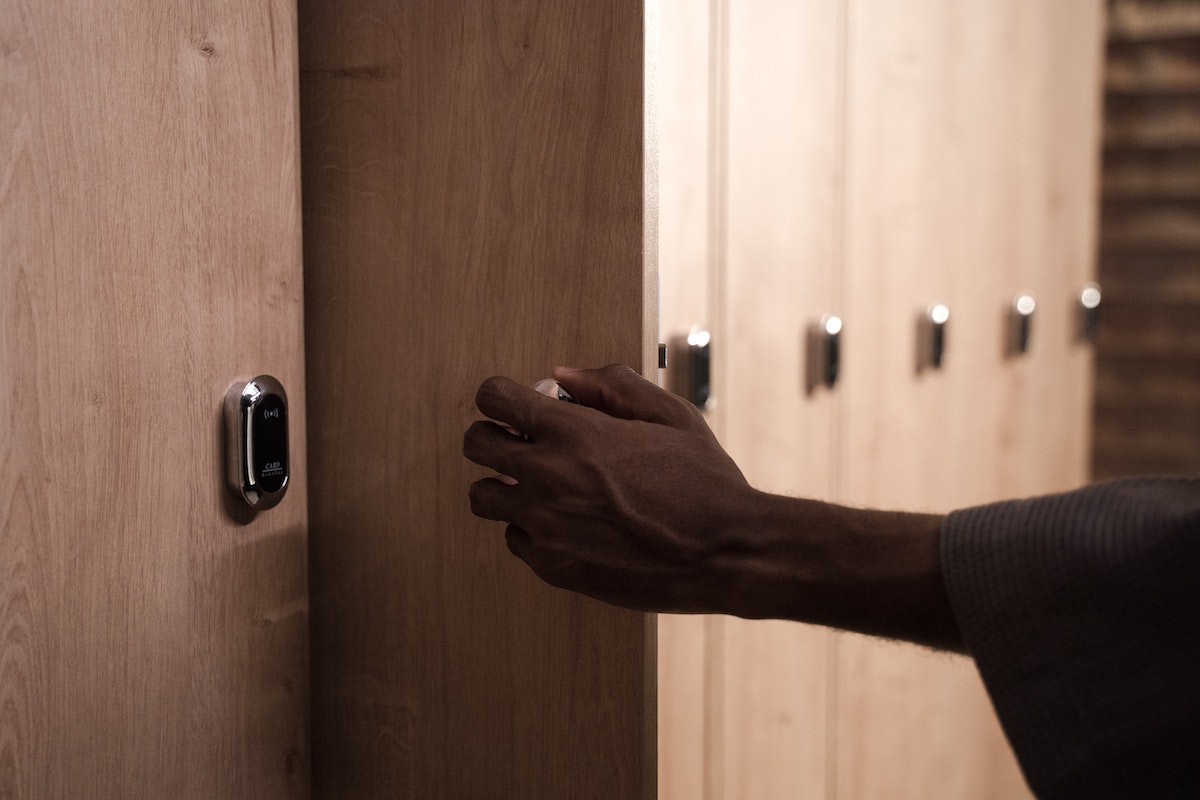
It is prevalent for these buildings to offer secure package rooms, only accessible to residents, that feature individual lockers. Each resident is assigned a locker and can retrieve their secure package 24/7 using a fob key, pin code, access card, or QR code. 

This enhanced security prevents package theft and misplacements. It also helps avoid the typical clutter that can be felt in a mail room when packages are not efficiently organized.

These storage systems also mean that residents don’t need to plan their schedule around when a package will be delivered. Residents are notified as soon as a parcel arrives, often via SMS or email alerts, but they don’t need to be present to receive or sign for the package.

Condo residents and staff alike benefit from these efficient condo package rooms because it frees up the building’s resources and employees to focus on other tasks.

Whether you travel frequently or receive packages regularly, this amenity will help ease the stress often associated with deliveries in multi-unit residences.

6. Pet Washing Station

If you’re a proud pooch owner, then a pet washing station is an amenity you don’t want to miss. 

These stations make it ultra-convenient to keep your furry friend groomed and happy without having to go through the hassle of transporting your pet washers.

Keep in mind pet washing stations aren’t the only pet-friendly amenities offered in luxury Chicago condos. You can also prioritize your pup by living somewhere that provides dog runs, dog parks, pet-friendly shared spaces, and virtual keys for pet sitters or walkers.

7. Bike Storage

Biking is an excellent option for exercise or transportation in the Windy City. However, public bike racks are limited and pose an increased theft risk.

So, if you’ve got a bike you’d like protected, or you may consider investing in a bike, rest assured that plenty of condo buildings offer bike storage in their amenity packages.

Not only are bike storage spaces safe, but they also ensure that you don’t have to make room in your own unit to stow your two-wheeler.

If you’re in the market for a new condo, consider finding amenities that make your life easier and more enjoyable. As you navigate your home search and amenity wishlist, be sure to connect with one of our licensed brokers or click the link below!

Start Your Search

Why Private Chicago Condo Parking Garages Are a Must

Ask any Chicagoan about their biggest gripe with living in a city, and most will mention something about parking. While Chicago is renowned as having one of the best public transportation systems in the world, the reality is that in a city of three million people, parking will likely be hard to come by from time to time.

As you move about the city, you might not be able to control that it’s hard to find parking – which is why having a private condo parking garage is a must. Why shouldn’t parking at least be easy in your own home?

4 Reasons Why a Private Condo Parking Garage is a Must

When searching for your new condo, some amenities might fall on the “nice to have” list, and others might fall on the “must” list. If you own a car, there are four reasons why a private condo parking garage is a must:

  1. Safety: Most garages are attached to their condo buildings, meaning you don’t have to exit your car outside. Additionally, most garages have security cameras and are frequented by other residents – ensuring that there are extra eyes on you as an added layer of safety.
  2. Convenience: Having a designated parking spot saves you time that you’d normally spend searching for a spot (which can be pretty significant). No parking dibs needed here!
  3. Warmth: When the weather gets colder, keeping your car inside saves you from needing to start your car before you leave to get it warmed – and also, most importantly, keeps you warm as you head inside after parking.
  4. Savings: While your parking will likely be included in your HOA fees (and can sometimes be a separate cost), having a designated parking spot could save you money by keeping you from shelling out for ad-hoc SpotHero spots or street parking each day.

Chicago Condos with Private Parking

Many condos in the city offer private parking as an amenity. Some listings include:

Are you ready to find your dream condo (and dream parking spot)? Reach out to a Luxury Living agent today or click the link below!

Start Your Search

How an Efficient Package Storage System Improves Your Chicago Condo Lifestyle

Package reception and storage can become a problem if you’re constantly on the go. A condo with an efficient package storage system in place will make this process and your life much easier!

How an Efficient Package Storage System Improves Your Chicago Condo Lifestyle

With most Americans now shopping online, condo buildings need to be equipped to handle the high volume of packages received. An efficient package storage system ensures that packages are delivered smoothly to the rightful residents. 

These package storage systems may vary depending on the building, but this amenity should ultimately enhance the resident’s experience.

It is very common for luxury condo buildings to offer package rooms that feature individual lockers. Each resident is assigned their own locker and can retrieve their secure package 24/7 using a fob key, pin code, access card, or QR code. 

This enhanced security prevents package theft and misplacements. It also helps avoid the typical clutter that can be felt in a mail room when packages are not efficiently organized.

These enhanced storage systems also mean that residents don’t need to plan their schedule around when a package will be delivered. Residents are notified as soon as a package arrives, often via SMS or email alerts, but they don’t need to be present to receive or sign for the package.

Condo residents and staff alike benefit from these efficient condo package rooms because it frees up the building’s resources and employees to focus on other tasks.

Whether you travel frequently or receive packages regularly, this amenity will help ease the stress often associated with deliveries in multi-unit residences.

Chicago Condos with Package Storage

If you’re in the market for a home that offers ultimate convenience and efficient package storage, take a look at a few of these premier Chicago condos:

  • One Bennett Park – 451E Grand Avenue – these ultra-luxury Streeterville condos offer in-home package delivery, ensuring your packages are delivered directly to you.
  • One Chicago – 1 W Chicago Avenue – You can also expect courtesy package delivery direct to your unit as a resident of these highly anticipated elegant condo residences in Gold Coast.
  • The Orchard – 2350 N Orchard Street – If Lincoln Park is more your scene, consider these upscale residences that provide not only package delivery, but also grocery delivery straight to your door.

Set up a showing today with one of our trusted brokers to see these condos for yourself or follow the link below to start your search!

Start Your Search

How a Condo Storage Locker Can Help You Make More Space

Living in a city can have its comforts and challenges. Comfort-wise, you can get anything delivered at about any hour of the day, and have access to world-class museums and concerts right at your doorstep. The tradeoff of city living, however, is space: owning a condo necessitates being more creative with storage.

In addition to being smart about the space in your condo, having external storage can be a helpful, flexible option – especially for larger or seasonal items. 

4 Benefits of a Condo Storage Locker

Some condos offer building storage lockers, which effectively act as a storage unit outside your condo. This often-overlooked amenity can be a huge plus, especially for the following reasons.

  1. Decluttering your space: Keeping things out of your condo in a safe place allows your living area to be as minimalist as you’d like it to be. Without clutter, your condo will look cleaner and more organized.
  2. Organization: If you’re one to Marie Kondo your living space, having a condo storage locker will help keep you organized. For example, you’ll need to keep your seasonal decorations in a designated place and rotate them in as space allows – ensuring everything has its own place.
  3. Convenience: If you opted for an external storage solution, you’d have to commute to and from your belongings and ensure you’re accessing them during the business hours of your storage partner. Having your storage in your building ensures you have easy access to any item you might need as quickly as you need it.
  4. Safety: Quick access to your storage unit has the benefit of allowing you to check on your items whenever you prefer – it’s also safer to keep things securely stored in your own building.

Chicago Condos with Storage Lockers

Many condos offer this perk, including:

Looking for a condo with amenities to meet your needs? Reach out to the Luxury Living team today or follow the link below to start your search!

Start Your Search

Explore Condos with Gyms in Chicago

No matter how you like to exercise, Chicago certainly offers you many options to do so: from running the lakefront path to a swim in the lake to a class at one of the city’s many fitness studios, you’ll never run out of ways to break a sweat. As tantalizing as those options might be, fewer offer the convenience and affordability of a gym in your condo building.

4 benefits of having a gym in your condo building

If you’re fortunate enough to have a gym where you live, you’ll quickly notice the physical and financial perks that come with this amenity:

  1. Cost savings: The most obvious benefit of having a gym in your building is not having to pay for another gym. Depending on the membership type, monthly gym costs in Chicago can run as high as $200 or more – so this savings can significantly impact your wallet.
  2. Convenience: One of the biggest barriers to working out is actually commuting to your workout. Having quick access to a gym (without even needing to go outside) will no doubt result in more time spent working out.
  3. Community: Meeting your neighbors looks different in a high-rise than in a single-family home. For that reason, communal spaces such as gyms are a great way to cultivate community in your building – even if you’re a bit sweaty when you meet!
  4. A continuation of home: While you own your condo, having an additional communal space in your building gives you an additional area to call your own.

Condos with gyms in Chicago

As amenity spaces become more ubiquitous in high-rise residential buildings, you can expect more and more condos to offer gym space. Some current listings include:

If you’re interested in finding the condo with amenities that fit your lifestyle and needs, reach out to a Luxury Living agent today or follow the link below to start your search!

Start Your Search

Condos with an Indoor Lap Pool in Chicago, And Other Specialized Fitness Amenities

If health and fitness are priorities for you, finding a condo in Chicago that helps you put fitness first will make your day-to-day life easier.

Imagine not having to step foot outside to access premier activity-related amenities. 

If this sounds like a desirable reality, check out the luxury condos that offer indoor lap pools in Chicago and other first-class fitness offerings bound to impress:

Cirrus Residences

211 N. Harbor Drive

This building is located in one of Chicago’s best-kept secrets, the Lakeshore East neighborhood. These premier condos showcase some of the city’s best views, including the Chicago skyline, river, and Lake Michigan. Among the 48,000 square feet of amenities, residents have access to a state-of-the-art fitness room, motion studio for spin and yoga, HIIT and outdoor circuit area, and a 25-yard indoor lap pool. Regardless of your workout routine, this building is bound to accommodate you. Additional indoor amenities accessible year-round include a splash pad and hydrotherapy pool, locker room with steam rooms, gold and sports simulator, and more.

No. 9 Walton Residences

9 W. Walton Street

For a timeless living experience, check out this Gold Coast building, boasting classic interiors and lavish luxuries. Developers aimed to provide residents with five-star hotel-style amenities. Calling these residences your home entails full access to an indoor lap pool, hot tub, steam room, sauna, and fitness center with Pilates machines. Pet owners can also enjoy a covered dog run.

One Bennet Park

451 E. Grand

Located in a prized location within Streeterville, these residences provide walkable access to the Riverwalk, Lake Michigan, the Lakefront Trail, and the Magnificent Mile. Additionally, the ultra-luxurious building houses incredible fitness-related amenities on the third floor. Here you will find a fitness center, a Pilates studio, and a 60-foot-long indoor lap pool with a glorious sun terrace overlooking the private park. When the weather permits, residents can also soak up the sun on the 10,000-square-foot recreational deck and take a dip in the outdoor pool.

Tribune Tower Residences

435 Michigan Ave

Consider owning a home in one of Chicago’s most iconic buildings within the Streeterville area. Amenities were designed to provide the utmost conveniences for residents to relax and achieve their fitness goals. Residences have over 55,000 square feet of amenity space on four levels. One of the highlights includes the 75-foot indoor lap pool that opens to an outdoor terrace, complete with a lounge, dining, and sunbathing areas, all with the backdrop of the Chicago Tribune sign. The state-of-the-art health and wellness center also is an impressive and inviting space to enjoy.

Parkline Residences

60 E Randolph

Live in the heart of the Loop. The Parkline Penthouse Collection boasts jaw-dropping condos with equally elevated amenities. Fitness gurus and novices alike can appreciate the full fitness center with expansive windows, the private pilates/spin studio, and the indoor/outdoor heated pool and spa.

Don’t miss out on the chance to have complete and convenient access to fitness-related amenities, including an indoor lap pool in Chicago.

Connect with one of our experienced brokers to tour any of these deluxe condos or follow the link below to start your search today!

Start Your Search

Find a Condo with Bike Storage in Chicago

One of the best parts of Chicago is the options residents have for navigating the city: from public transportation to water taxis, the ways to get from point A to B are seemingly endless. 

The proliferation of bike lanes in the city has yielded yet another mode of transportation: biking. The benefits of taking two wheels, whether to work or simply around town, include building exercise into your commute, seeing the city in a different way and having the flexibility of circumventing traffic. 

Some Chicagoans also use biking as a form of exercise. Whether you’re training for a triathlon or covering miles on the lakefront path, owning a bike unlocks a great way to get fresh air while burning calories.

If you’re apt to own a bike for these reasons, having bike storage in your condo is a huge perk. 

Benefits of Bike Storage in Chicago

As a bike-friendly city, Chicago has plenty of bike lanes and places to park your bike while moving it around town. That said, once you’re back home, your options are often limited to storage in an outdoor bike rack, or lugging your bike into your unit – unless your condo building offers bike storage. If that’s the case, there are two main benefits:

  • Safety: Keeping your bike in a storage area ensures it’s safe from theft – as opposed to keeping it outside, where it’s more prone to getting stolen.
  • Accessibility: If you use your bike often, you’ll need it within arm’s reach. Keeping it in a storage room allows for easy in-and-out.
  • Bike preservation: Storing your bike indoors is important to the integrity of your bike; shielding it from any extreme heat in the summer or extreme cold in the winter will keep it from the wear-and-tear of the outdoors.

Chicago Condo Buildings with Bike Storage

As biking grows in popularity, bike storage rooms are becoming a ubiquitous amenity. Buildings with this feature include:

If you’re ready to find a condo that fits your lifestyle and commuting needs, reach out to the Luxury Living team today or follow the link below to start your search!

Start Your Search

Condo Interior Design Ideas — A Room-by-Room Guide

Whether you’ve owned your condo for a long time or are a first-time buyer, there’s always something to be said for making a space truly your own. Interior design updates can be as topical as wallpaper and as intensive as knocking down walls, but the purpose of these renovations remains the same: to customize your home to fit the functionality you need and the aesthetic you want.

Refreshing your space can feel overwhelming – and it’s true that great updates do take time. If you don’t know where to begin, consider the room in your house you spend the most time in and start there. Or take a holistic approach and get all rooms done at once!

No matter your process, consider these tips for each room in your home.

Condo Interior Design Ideas for the Kitchen

As the gathering space of your condo, the kitchen is an important update both functionally and physically. For this reason, considering and incorporating your individual style is important. 

Some ideas might include:

  • Bright, white motifs that brighten the room. These could include white wood cabinets or granite countertops.
  • Stainless-steel appliances that stand the test of time and go with any style.
  • Rich wood accents that add warmth and balance to the room.
  • Brass accents such as cabinet pulls or knobs to add a subtle element of sophistication.
  • Sculptured lighting to add a large design piece that speaks to your taste.
  • Minimalism, which will keep things looking neat and tidy.


Interior Design Styles for your Condo Living Room

Coupled with the kitchen, the living room is an important room for hosting – which is why pairing design styles with the kitchen is a great approach to consider.

Some styles to choose from:

  • Modern, which is great for sleek, high-rise condos. This could include a monochromatic color palette and natural materials.
  • Industrial – a style that pairs beautifully with urban lofts. Industrial elements feature dark colors and exposed fixtures.
  • Scandinavian, which is a Nordic-inspired approach that’s minimal yet cozy. Hallmark Scandinavian features might include neutral palettes with pops of color, and organic materials that embrace light.
  • Farmhouse – an approach that’s currently popular due to its simplicity and practicality. Facets of farmhouse style might be mix-match furniture and a white motif.
  • Mid-Century Modern, an aesthetic that’s making a comeback because of its emphasis on wood furniture and simple geometric lines.


How to Design Your Condo Bedroom

As the most personal space in your condo, your bedroom is the best place to lean heavily into your personal preferences. 

The process of refreshing your bedroom is important to get right – but with the right approach, you’ll be thrilled with the result:

  1. Start with a design quiz – a great starting point no matter which room you’re redecorating. This will ensure you’re making design choices that truly match your preferences.
  2. Consider your budget, and set a budget before you begin.
  3. Sketch your layout. This is an especially important step for your room, where space can be more limited.
  4. Start with the big pieces, like your bed and dresser, first – these will set the aesthetic tone for the space.
  5. Hone in on personal touches since your bedroom is such a personal space. Include photos, books and other nostalgic items to truly make the room your own.


Tips for Designing Your Condo Home Office

If you’re fortunate enough to have a den or office in your condo, designing the space will be a matter of purpose and style. 

Depending on what you use your home office for, these tips will make your space as useful and enjoyable as possible:

  • Make the desk the star. As the centerpiece of the room, your desk will determine the look and feel of the rest of the space.
  • Consider an accent wall, which doubles as a beautiful design element and fun zoom background. This could be a gallery wall, wallpaper or simple pop of color.
  • Add inspiration in the form of photos, quotes and objectives – whatever inspires you will undoubtedly have an impact on how you feel when using the office.
  • Plan for rest by adding a couch or lounge chair. These visual cues will ensure you build breaks into your workday, and are an inviting place for others to meet or join you.


Interior Design Ideas for your Condo Dining Room

As a public gathering place in your condo, the dining room is the perfect space to express your style to guests. 

When you approach designing your dining room, consider these ideas:

  • Be choosey about your table, as this piece will determine the aesthetic and functionality of the room. A round table is better for wide spaces, whereas a rectangular table fits an oblong room better.
  • Show off your individuality by including family photos, heirloom plates and any additional personal touches that could make your guests feel at home.
  • Add a bar cart! This item isn’t just trendy; it also allows you to show off your style and have drinks within an arm’s reach. 
  • Refresh your lighting options to match your table, which will create a cohesive look throughout the whole room.
  • Incorporate color, even if your style is modern. This design choice will accent any furniture you have in the room, and make the space inviting for your guests.


Condo Bathroom Design Ideas

Your bathroom is easy to overlook when considering condo renovations, but as an important part of your routine, it’s well-worth updating.

As you choose your bathroom updates, you might:

  • Use paint to spruce up and modernize the space.
  • Update your hardware by replacing old knobs or towel bars, which are easy ways to elevate the space.
  • Choose light bulbs that create a calming atmosphere. These will be labeled as “cool white,” “bright white” or “daylight.” Don’t forget to include a light fixture in your updates, too!
  • Create natural aromatherapy and liven the space with plants. 
  • Add shelves to maximize space while keeping the room design-forward. This step is a great way to cleverly hide any necessities!
  • Incorporate a stylish mat to keep things cozy.
  • Select a candle that contributes to the ambiance with a smell that you love.


Our Luxury Living agents are here to find the space that fits your needs and style, regardless of where you are in your renovation journey. Whether you’re looking for a condo to renovate, or are interested in a brand new home without any renovations needed, get in touch with us to start your search or follow the link below to get started!

Start Your Search

5 Condo Dining Room Ideas to Create an Amazing Gathering Space

One of the best parts about owning a home (or condo!) is hosting others in your space – and no area is better for gathering and hosting than the dining room. From game nights to formal dinners to a simple pizza night, the dining room will play host to many different events; planning for both functionality and style is an important balance as you consider how the room might be used.

5 Condo Dining Room Ideas

Whether you’re a new condo owner or simply want to refresh your dining room, continue reading for five design ideas for an amazing gathering space.

  1. Make the table the star of the show. As the biggest and most important piece of furniture in any dining room, the table and chairs set the tone for the rest of the space. Before you purchase this piece, think about what style and function the table will serve; a round table is better for wider spaces and game nights, while a long rectangular table is better-suited to an oblong room and hosting many people.
  2. Show off your individuality. Since the purpose of a dining room is to entertain, it should be a warm and welcoming space that shows off your personality. Adding family photos, heirloom plates and other personal touches will make your guests feel at home, and has the added benefit of making you feel more at home when you’re not entertaining.
  3. Don’t forget a bar area/cart. Bar carts aren’t just a trendy way to contain your alcohol; they’re an added element to hosting that allows you to provide drinks to your guests in an accessible way. Source a cart that fits your style, and ensure it’s well-stocked with the makings of classic cocktails!
  4. Add lighting. As you redo your dining room space, don’t forget to consider new lighting options – even if you already have lighting in the space. Paired with a stylish dining room table, a pendant light or chandelier adds trendiness to the room, and could have the added benefit of changing the tone of the room through more romantic (as opposed to harsh LED) lighting.
  5. Incorporate color. Color is an important aspect of a space, even if your style is more monotone or modern. Whether through a colorful statement wall, wallpaper or even the ways you accent the space with other furniture, adding color will show off your personality while keeping the space warm and inviting. 

Now that you’re well equipped with a handful of condo dining room ideas, it’s time to find your dream home!

If you’re ready to find the condo dining space of your dreams, contact the Luxury Living team today.

For more condo interior design ideas, follow the link below!

Condo Interior Design Ideas: A Room-by-Room Guide

7 Condo Bathroom Ideas to Start and End Your Days Right

While it may be easy to overlook the bathroom, this room is likely integral to your morning and night routines. Set up a space you’ll love with these condo bathroom ideas.

7 Condo Bathroom Ideas

  1. Spruce up the space with paint – A fresh paint job can work wonders. When refreshing your bathroom, consider a bright white or soft grey for a clean and crisp look. If you prefer a moodier feel or bolder look, try looking into a rich red or sage green. Wallpaper is also a popular alternative to paint that refreshes this room.
  2. Upgrade the hardware – Think of your hardware like jewelry. This tiny detail can add that extra sparkle and function to your space. Replacing old door knobs, cabinet knobs, or towel bars is a simple change to elevate your bathroom. 
  3. Be selective with lighting – A dazzling light fixture may be what you need to add that ‘wow factor’ to your bathroom. Not only do you want to select a style that matches the overall aesthetics of the space, but you also want to be picky with the bulbs. As a general rule of thumb, bulbs labeled  “cool white,” “bright white,” or “daylight” are best for bathroom lighting.
  4. Play around with plants – Bathrooms make the perfect home for plants. Greenery helps bring a space to life, plus most plants appreciate the humidity that bathrooms provide. Plants even help improve the air quality. Consider succulents, like aloe vera and elephant bus, which make a great, low-maintenance addition to this room. You can also create a “bathroom bouquet” with lavender, rosemary, mint, and lemongrass stem to drape over your shower head. They look pretty, and they provide natural aromatherapy.
  5. Invest in Shelves – Floating shelves are a great way to maximize space and add a fun design touch, especially if the bathroom is tight on square footage. They make a perfect and practical way to add additional decor or bathroom necessities.
  6. Find the perfect mat – Your bathroom flooring is likely tile, which can be beautiful and elegant, but not necessarily the coziest. Give your feet extra comfort and your space a ‘pop’ by incorporating a stylish mat in your bathroom.
  7. Hop on the candle train – Candles enhance a room’s fragrance and ambiance. Scented candles specifically can “play an essential role in the physiological effects of mood, stress, working capacity, and overall mental health.”

With these simple tips, we hope you feel inspired and equipped to create an inviting space. Ready to find the condo bathroom of your dreams? Contact a Luxury Living Chicago Realty team member.

Searching for more design ideas for your condo? Click the button below! 

Condo Interior Design Ideas: A Room-by-Room Guide

4 Design Ideas for Your Condo Home Office

If commuting during rush hour just isn’t for you (and your work schedule allows), you might be considering a condo home office. While most home ‘offices’ during COVID’s lockdown were pretty make-shift, it might be the perfect time for more intentionality in creating a space in your condo that’s simply for work.

Outfitting a home office is a fun challenge because it requires you to consider both design and functionality. As you approach an aesthetic to this space, consider what it will mostly be used for within the context of work: if your job requires you to spend most of your time on the phone, that might require a different set-up than a career that involves a lot of reading or designing on a screen. 

Whether that be turning your bedroom into a home office or even creating work-from-home space for two, once you have an understanding of what you’ll need out of your condo home office, consider these four tips to make your space as useful and enjoyable as possible.

4 Design Ideas for Your Condo Home Office

  1. Make the desk your favorite part. No matter what you’ll be doing in your home office, your desk will undoubtedly be the centerpiece of the room in terms of scale and design. Consider how the look of your desk will influence the rest of the space; and for that reason, you might opt for a more unique desk to ensure that the rest of the decor fits naturally. Desks also offer many different functions, such as standing/sitting, vanities and spaces for hobbies, so choose this piece of furniture wisely.
  2. Consider an accent wall. If your job requires you to spend most of your day on video calls, an accent wall can become a built-in Zoom background while keeping your space bright and unique. From patterned wallpaper to a gallery wall of frames, the options for accent walls are endless and can be tailored to any taste or budget.
  3. Add inspiration. What inspires us varies greatly from person to person. For some, a sports player or quote motivates them; for others, art or past travels might evoke inspiration. No matter what gets you out of bed in the morning, incorporate a visual element of your muse into your office – not only will it make you enjoy the space more, but it will motivate you as you use it.
  4. Plan for rest. Even though offices are spaces dedicated to work, incorporate a physical reminder of rest into your design by including a couch or lounge chair. Having an additional seating option outside your desk will provide you with a different way to use the room, and will ensure that you build breaks into your workday.

No matter how you want to design your home office, the Luxury Living team can partner with you to find the condo and office space that fits your needs, job and lifestyle. Reach out to us today to get started!

If you’re looking for more interior design ideas for other areas in your condo, follow the link below.

Condo Interior Design Ideas: A Room-by-Room Guide

5 Steps to Designing Your Condo Bedroom

Whether you’re in the process of buying a condo or are already a proud owner, there’s something to be said about updating your space to ensure it matches your needs and personal style. No room is more important to consider for a refresh than your bedroom: not only is it the most private space in your condo, but it’s also meant to be a room for rest and relaxation.

5 Steps to Designing Your Condo Bedroom

As you approach these changes, keep reading for five steps to designing your new condo bedroom.

  1. Start with a design quiz. Before you begin planning or purchasing anything for your bedroom, take a moment to consider what your personal style actually is. Do you gravitate towards a modern look, or are you more bohemian? Are you maximalist or minimalist? Take a style quiz online, and pay attention to the design-oriented social media accounts you follow – both of these clues will help you create a style framework to operate in.
  2. Consider your budget. Depending on the level of updates you’re hoping to make, changes to your space can get pricey (especially if they involve work that you outsource, like painting or re-wiring). Knowing your budget before you begin will ensure you make the updates you want without breaking the bank.
  3. Sketch your layout. Play architect and draw the layout of your room, including your bed and any existing furniture. Try your best to draw things to scale, and use a couple of sketches to “rearrange” the room so you can understand how pieces will fit together without actually having to physically move anything. This is an especially important step if you’re planning on buying new furniture!
  4. Start with the big pieces first. Create your to-do list starting with the biggest changes first, such as any painting or big furniture. These bigger changes set the aesthetic tone for the rest of the room: by making these changes first, you can make sure that the rest of your decor matches.
  5. Hone in on personal touches. Since your bedroom is such a personal space, make sure that you’re incorporating pieces that are unique to you, such as photos, books and nostalgic items.

If these ideas have you thinking about the condo of your dreams, the Luxury Living agents are here to help in every step of your buying process. Reach out today to get started.

Need more interior design ideas for your condo? Click the button below for our room-by-room guide!

Condo Interior Design Ideas: A Room-by-Room Guide

Find the Condo Living Room Design That Fits Your Style

When it comes to condo living room design, there is a multitude of style options. Use this guide to find what suits you best.

5 Condo Living Room Design Ideas

  1. Modern– If you find yourself living in a sleek high-rise condo, you can carry out this polished look in your own living room by embracing a modern design. A monochromatic color palette, clean lines, minimalism, natural materials, and natural light mark modern design. This style works very well in an open concept room with floor-to-ceiling windows. If you’re considering this route, consider limiting your living room decor and selecting low and long furniture with neutral colors.
  2. Industrial– This aesthetic thrives in urban loft living. Since lofts already boast an industrial look and feel, it’s strategic to follow suit with the rest of the design components. An industrial condo rocks the raw and edgy look. Industrial designs typically feature dark colors and minimal additions to the space, along with exposed beams, brick, and light fixtures.
  3. Scandinavian– This Nordic-inspired home design is a perfect marriage between beauty and functionality. A Scandinavian-inspired living room exhibits a minimal, clean, and cozy feel. It also focuses on simple lines and light spaces, devoid of clutter. Scandinavian colors tend to be neutral and monochromatic – bright, warm whites with black and tan – with pops of color used as accents. Plush pinks, gray blues, and colors rooted in nature, like sage, are frequently used in this design. Natural and organic materials also mark the Scandinavian style. These homes are often full of wood, lightened to fit with a neutral color palette, cotton, wool, and plants.
  4. Farmhouse– This design has gained traction over the years, especially thanks to HGTV. Consider this condo living room design if you’re looking to accentuate or bring out your units rustic charm. It’s a style that prioritizes simplicity and practicality. While farmhouse inspiration is typically drawn from rural and older styles, it also blends in modern comforts for a stylish and comfortable finish. A farmhouse living room may boast a mix-match of furniture and textures while sticking with natural materials and natural color palettes.
  5. Mid-Century Modern– As the name implies, this design gained extreme popularity from about 1945 to 1965. However, recently mid-century modern has made a comeback. This crisp vintage design helps create a warm and nostalgic aesthetic. While the design is more simple in nature, it’s not afraid to embrace a pop of fun color and texture in the mix. Wood furniture remains a key element in this style, especially teak, Rosewood, and oak. The decor within this design also tends to feature simple geometric lines without frills. Metal, glass, and vinyl are also often incorporated.

While these condo living room designs are a great starting place for sparking inspiration, the list is not exhaustive. Not only are there more design styles out there, but you are also never limited to sticking with a single design. Your condo should feel like home, reflecting your style and preferences. You may even find yourself combining elements from various designs to incorporate in your living room.

For more on condo interior design, check out our room-by-room guide below!

Condo Interior Design Ideas: A Room-by-Room Guide

Condo Kitchen Design Ideas for a Contemporary Style

When condo owners – new or seasoned – opt for renovations, one of the first places they often start is the kitchen. As the heart of most homes, this room sets the design tone for the rest of the space while serving as a functionally important gathering space and food prep area. 

If refreshing your kitchen is high on your wish list, you might consider opting for a contemporary style. For one, this type of style lends itself well to appliance upgrades that are aesthetically pleasing yet useful. Additionally, contemporary style bodes well for condos in the city, as it plays off the urban landscape surrounding your space. 

Read on for a few contemporary kitchen design ideas for your condo:

  1. Bright, white motifs – As you tackle a kitchen upgrade, a great place to start is countertops and cabinets. By making these bright and white, you’ll flood the space with reflected light while making your kitchen feel bigger and more open.
  2. Stainless-steel appliances – Stainless-steel appliances aren’t just beautiful – they’re also highly functional and durable, ensuring that your new updates will have lasting power.
  3. Rich wood accents – Contemporary style shouldn’t feel cold. In fact, as the most important room in a condo, a kitchen should be warm and inviting. As you incorporate neutral elements and stainless-steel accents, adding wood accents such as barstools or a table will keep your space warm and balanced. 
  4. Brass – A subtle way to keep a contemporary look timeless is through brass accents such as cabinet pulls or knobs. This small element will add color to your kitchen through the use of a material that’s sophisticated yet subtle.
  5. Sculptured lighting – One of the finishing touches to a kitchen is your lighting. To truly showcase a contemporary look, choose a fixture that’s structured and, ideally, made from a metal material. This will cap off your larger design elements and drive home the style you’re trying to convey.
  6. Minimalism galore – A hallmark quality of contemporary style is minimalism – which, in a cluttered space like a kitchen, can be hard to achieve. As you work through updates, consider storage hacks that will remove as much stuff from countertops and visible spaces as possible – this will keep things neat and tidy, and have the added benefit of storing your everyday wares within arm’s reach.

No matter how you plan to upgrade your space, our licensed team of professionals would love to work with you on finding a condo – and kitchen! – that’s right for your needs. Reach out to us today to get started!

Looking for more interior design tips and ideas for your condo? Follow the link below for our comprehensive room-by-room guide.

Condo Interior Design Ideas: A Room-by-Room Guide

What Costs Do You Owe at the Closing Table?

When you think of the cost associated with purchasing a home, the actual mortgage and down payment are probably top-of-mind – but as you budget for this life milestone, it’s worth considering the other costs associated with closing.

What Costs Do You Owe at the Closing Table?

Once you’ve worked with your agent to find the home that’s right for you, the final step in the process is to actually close on your new home or condo. When you come to the closing table (whether in-person or virtually), there are a few line items you owe as a buyer that might be surprising. These costs vary, but are essentially processing fees you pay your lender.

Generally speaking, closing costs can be anywhere from 2 – 6% of your loan amount. These fees vary by transaction and state; according to Rocket Mortgage, the average closing cost (including taxes) in the state of Illinois is $6,529.74.

While the line items may change depending on your lender, seller and state, these usually fall into a few general buckets.

Property-specific costs

  • Appraisal fee: this fee covers the cost of a professional appraiser who assesses the true value of your new home and ensures it’s move-in ready.
  • Home inspection: similarly to an appraisal, a home inspection ensures that the home is in good enough shape to live in. If a home inspection turns up any troubling information, you may be able to renegotiate your contract or even back out entirely.

Loan-specific costs

Loan-specific fees could include an application fee, attorney’s fees and a loan origination fee, which goes directly to the lender for the costs associated with preparing your loan. If you choose to work with a mortgage broker, you’ll owe them a commission (around 0.5% – 2.75%) on your loan amount. 

Mortgage costs

Depending on the nature of your mortgage, some lenders require up-front mortgage insurance and/or application fees. If you’re working with the Federal Housing Administration or Department of Veterans Affairs, you’ll pay guarantee fees to those agencies.

Property taxes and insurance

You can expect to pay a few months’ worth of property taxes at closing, in addition to homeowners association (HOA) fees and insurance premiums. In some cases, you can opt to pay your HOA fee in a lump sum up-front.

Our team is here to guide you comprehensively through the home or condo purchase process, and can answer any questions about closing costs throughout your buying journey. Reach out today to get started or follow the link below to learn more about our process!

Learn More: The Homebuying Process

The Complete Guide to Navigating Your Daily Chicago Commute

They say location is everything when it comes to your home or condo search. In a large city like Chicago, this is both true and untrue: while the neighborhood or suburb you live in will certainly influence many aspects of life, Chicago’s expansive transportation systems make getting around the city easier than you’d think.

Navigating Your Chicago Commute

If you lived at 418 Church Street in Evanston, for example, your commute to the city could be via car, regional Metra train or local ‘L’ train. Perhaps city proper is more appealing and you opted for 104 W Oak Street in the Gold Coast neighborhood; in that case, you’d be able to walk to the Loop business district in about 30 minutes or take a bus.

No matter where you live in Chicagoland, your choices for transit – both for work and for play – make a surprisingly big difference in your everyday life. Read on for a complete overview on commuting in the city depending on your preferred method of transportation.

The Chicago Grid System

One of the best parts of Chicago is the grid system on which it was built: with few exceptions, the city streets run either north/south or east/west, making the city easily traversable on foot. Additionally, the lakefront path stretches almost the entire length of the city, making it an easy and beautiful option for going from north to south.

As you consider where to buy in the city, one of the biggest considerations in terms of location is walkability: having transit, grocery stores, and other essentials within walking distance is a huge plus.

Driving & Chicago Rush Hour Commute Times

If you plan to drive around the city, one of the most important considerations is parking. Some condos come with parking spots while others do not – and due to the density of population, parking can be hard to come by without a dedicated spot. 

Additionally, as you navigate your commute options, consider the difference that rush hour makes in drive times. It takes around 20 minutes to drive from 1440 N Wood Street in Wicker Park to the Loop without traffic – but it might take up to 40 minutes with traffic between 7-9am and 4-7pm.

Rideshare Options

Whether you have a car or not, relying on rideshare services like Uber and Lyft is a great option if you need flexibility. While these commute options are a great way to get around without relying on public transportation, keep in mind that surge rates still apply during rush hour times – making them a pretty expensive option.

If Uber and Lyft are too expensive or unavailable, taxi cabs are often a cheaper alternative. You can use the Curb app to schedule a taxi ride, or hail one of the many cabs running through the city.

Public Transportation

The ubiquitous presence of buses and ‘L’ trains in Chicago speaks to the popularity of the city’s public transportation system. According to the Chicago Transit Authority (CTA), over one million city residents take trains and buses each day – perhaps because these options are so prevalent and cost-effective. Oftentimes, due to rush hour traffic, public transit can be faster than driving.

When planning your commute via transit, consider tools like the Citymapper and Ventra apps, which provide bus and train times, as well as recommendations for the most efficient commute routes.

If you’re commuting from the suburbs to the city, Metra regional trains are probably your fastest option. As opposed to the continuous service of ‘L’ trains, Metra trains are set on a schedule, making planning your commute as simple as checking the train times.

Biking

Boasting miles of bike lanes, Chicago is a bike-friendly city. This non-traditional option has two main advantages: efficiency and exercise. Not only are bikes immune to car traffic, but this option also allows for quality time outdoors to prepare for and decompress from the workday.

If you’re considering this mode of transportation, safety needs to be top-of-mind. In addition to wearing a helmet, plan to wear bright clothing and add lights to your bike for extra visibility. 

Depending on the trip, shared Divvy bikes are a cheap option that allows you to take the scenic route – this is a great way to mix up your commute while seeing different parts of the city, like the lakefront path.

No matter how you get around Chicago, it’s likely that you’ll take advantage of many of the transportation options the city has available. As you consider buying a home or condo in Chicagoland, our LLCR agents are here to guide you through the process of finding the right space in the perfect location for you. Click the button below to learn more about the homebuying process!

Learn About Our Process

Warm Up in These Chicago Restaurants with Fireplaces this Fall

Something about cozying up next to a fireplace in the middle of winter, especially during a Chicago winter, makes the cold more bearable.

Whether you’re spending a chill night out or bundling up at home, fireplaces are great for keeping warm and creating a comfortable ambiance.

So, how can you ensure you spend time around the fire this winter? For starters, be sure to check out some of our favorite restaurants and bars with fireplaces.

Restaurants with Fireplaces Perfect for Fall in Chicago

  • Red Lion Pub– Located in the heart of Lincoln Park, this British-inspired pub makes a great spot during the cold months. Along with three roaring fireplaces, this neighborhood bar boasts a dark oak planked bar, Tudor beams, and bookshelves lined with books about British history and literature. Every detail of the pub will be sure to warm you up.
  • The Moonlighter– Tucked away in Logan Square, this laidback beer and burger bar offers a cheerful atmosphere, complete with fireplaces inside and outside.
  • Cabra– If you’re looking for a relaxed rooftop bar to enjoy even when the temps cool down, check out this Peruvian West Loop restaurant. You can take advantage of the heat from the outdoor fireplace while soaking up the city skyline views.
  • Beermiscous– When outdoor activities are limited, spend an evening at this snug Lakeview joint. Choose from the many brews and the many board games available before you make yourself at home by the fireplace.

Along with enjoying other establishments’ fireplaces, why not enjoy the perks of a fireplace without stepping outside? Check out these Chicago condo buildings that feature fireplaces.

Chicago Condo Buildings with Fireplace Amenities

  • One Bennet Park– 451 E Grand- This new Streeterville construction offers unprecedented luxury city living. Along with sweeping views of Lake Michigan and the city skyline, the building provides premier amenities, including a fireplace in the lounge. This hangout area also provides city sights and access to the grand terrace.
  • One Chicago– 1 W Chicago Ave- While still under construction, these soon-to-be premier condos will bring a new level of luxury to River North. Along with amenities like a heated rooftop dog park, golf simulator, and residents-only dining room and bar, this building also offers outdoor fireplaces as part of the rooftop lounge.
  • Cirrus– 211 N Harbor Drive- Located in one of Chicago’s hidden neighborhood gems, these Lakeshore East condos also offer all the benefits of brand-new construction. Residents can cool down by the lavish pool or warm up next to firepits on the private rooftop terrace.

Interested in the Chicago condos for sale with fireplaces? Connect with one of our experienced brokers for a showing today! Our team would love to help you find your dream home, complete with unbeatable amenities.

Work with Luxury Living

What Is the Commute from Evanston to Downtown Chicago Like?

There are a few reasons to opt for living in the suburbs instead of city proper: perhaps you’re starting a family and want more space, or maybe you’re hoping for a change of scenery. Or, depending on your tolerance for traffic, you might be hoping to escape the rush hour madness of the city. 

Enter Evanston: the first suburb to the north of city limits and home to Northwestern University, it’s an idyllic town of 77,000 that attracts people looking for a mix of urban and suburban life. According to Livability, Evanston was ranked in the top 30 places to live in America because of its proximity to the lake and bustling social scene. 

The Average Commute from Evanston to Downtown Chicago

If you’re convinced that suburban life is for you, read on to learn more about what your commute from Evanston to downtown Chicago would look like.

Driving

Living outside the city might necessitate buying a car – and if you have a car, you’ll be fortunate enough to experience a beautiful commute down Lake Shore Dr., which connects Evanston to the city directly. Depending on where you live in town and where you’re heading to in Chicago, you can expect your commute via car to be anywhere from 30 – 45 minutes – but you can at least count on some beautiful skyline views along the way.

Metra

As a suburb, Evanston enjoys the luxury of Metra: the regional trains that service the towns surrounding the city. If you opt for this option, you’ll be able to read, meditate or send emails on your way to work. This mode of transportation takes about 30 minutes and drops you off at Chicago Ogilvie Transportation Center in the heart of the Loop.

Purple Line ‘L’ Train

Only a few locations outside of Chicago proper have their own ‘L’ stop, and Evanston is one of them. The purple line (perhaps named for Northwestern’s colors?) services the area, and connects Evanston straight to the loop. Arriving every 5-7 minutes depending on the time of day, this train ride lasts about 40 minutes and is a great option for commuters looking to connect to different areas of Chicago outside the Loop.

No matter your needs and destination, our LLCR team can help you find the perfect condo in the right location for you. Reach out to us today to begin your search!

Start Your Search

Navigating Chicago: Understand the Chicago Grid System

Are you planning on moving to the Windy City for the first time or need to understand the lay of the land better? If so, grasping the Chicago grid system will help you navigate the city and figure out your commute.

That’s why we’re sharing what you should know about this grid system- including the basics of how it works and even how it came to be.

The Chicago Grid System

As its name implies, the Chicago Grid System systematically maps out all of Chicago’s streets on a grid. This includes the residential and commercial streets, secondary arterials, grand boulevards, expressways, gangways and alleys.

Relatively speaking, Chicago is known for having a fantastic grid system, which is well laid out and fairly easy to understand. While the street system has evolved, its roots go back nearly two centuries.

Interestingly enough, the Chicago grid system is older than the city itself, dating back to 1830 and designed by James Thompson, a surveyor from Kaskaskia. Any building that existed in the area before 1830 had to be moved onto the grid. Although the grid grew as the city of Chicago was established, Thompson’s original grid became the template for a network that would eventually cover the 234 square miles of Chicago—and extend into suburbs beyond its borders.

While there is a lot to Chicago’s grid system, we’re starting by keeping it simple. 

To this day, the intersection of State and Madison Streets, located in the Loop, marks the heart of Chicago and the epicenter of its grid system.

Since Chicago is oriented along the cardinal directions, most streets run north/south or east/west. The prefix of an address indicates which direction it is in relation to State and Madison Street. If you’re headed somewhere on North Lincoln, you know that location is North of State and Madison Street. Likewise, if you find yourself somewhere along South Clark Street, you know that you are south of those cross streets.

Additionally, Chicago street numbering increases or decreases depending on the distance in miles from the State and Madison axis lines. While odd street numbers are on the south and east sides of streets, even street numbers are on the north and west sides.

As you study the Chicago grid system, it is also helpful to know that there are usually eight blocks to each mile. This means there are 800 addresses for each mile of the streetscape. So, if you’re downtown at 330 N Dearborn to 1530 N Dearborn, you start by subtracting 330 from 1530 to get 1,200. Then you divide 1,200 to get 1.5. This tells you your commute is roughly a mile and a half.

The Chicago neighborhoods and grid system may appear complex, but don’t let it overwhelm you. Once you understand the basics, hopefully, you’ll find it easier to navigate this large city. 

If you find yourself getting ready to move to Chicago, the Luxury Living Chicago Realty team can help you find the perfect condo in the right location for your commute.

Start Your Search

The 3 Best Chicago Suburbs for Commuters

If you’re planning a move to Chicago but aren’t quite sure about city living, Chicagoland’s many suburbs could be a fantastic option for you. Offering more space, great schools and cost-effective living options, the city’s many surrounding towns are highly sought-after for their many benefits.

One trade-off of living in the suburbs, however, is the longer commute times to get downtown. For the most part, there are two ways to get from the suburbs to the Loop in the heart of the business district: driving and regional Metra trains (not to be confused with ‘L’ trains, which are mostly local to the city).

3 Best Chicago Suburbs for Commuters

Depending on your work-from-home situation, your commute may factor into your decision on which suburb or area to live in. Read on for an overview of Chicago suburbs that have easy commute options.

Southern Suburbs

Homewood, located just a few miles south of Chicago proper, is situated on the Metra Electric line that runs between southern neighborhoods and the Millennium Park station in the middle of the city. Most train rides from this quaint town are about 40 minutes, and the car ride is 30-45 minutes depending on your final destination.

Western Suburbs

Oak Park, the first suburb due west of the city, is uniquely advantageous for commuters because it has its own ‘L’ stop in addition to a Metra line. For this reason, commute times are pretty quick: you can expect an ‘L’ ride of about 30 minutes to the city center, and a Metra ride to the Chicago OTC station that’s about 15 minutes. Driving takes about 30 minutes depending on traffic.

Northern Suburbs

Glenview, a larger suburb with a population of 47,000, is 15 miles northwest of Chicago with close proximity to the lake. Along the Milwaukee District North line that services many northern towns, Metra rides from Glenview are about 40 minutes – the same amount of time as the drive.

No matter which suburb you hope to call home, the dedicated LLCR team can help you find the right home for your needs and commute.

Start Your Search

What Does Chicago OTC Stand For? Find Out More About Commuting in Chicago

If you’re moving from a city without public transportation, Chicago is a welcome change from the norm: our public transportation system is consistently ranked top ten in the nation, and it boasts a service population of over 3.5 million people. Whereas public transportation can be hit-or-miss in other places, it’s a regular part of life for most Chicagoans – especially those who commute, as traveling by train is often faster than driving.

Referred to as ‘the great equalizer,’ public transportation serves to connect Chicago’s neighborhoods, as well as its many suburbs. Most of the system is under the umbrella of Chicago Transit Authority (CTA), which was created in 1947 (though rail car service began as early as 1882!).

Read on for more info about transportation in Chicago, as well as tips for commuting.

What are my options for commuting in Chicago?

Beyond a car, public transit offers many options for getting from A to B – though these options vary depending on where you live.

  • Bus: City buses exist on 129 routes across 1,536 miles. Generally, buses run on loops that cover one street from north to south or east to west, though there are also routes that accommodate high-demand destinations, like the Loop or Soldier Field.
  • ‘L’ Train: named for its elevated tracks, you’ll find (and hear!) the ‘L’ through many neighborhoods in the city, as well as the Loop. The ‘L’ is a fantastic way to commute because it’s immune to car traffic.
  • Metra trains: Metra trains are commuter trains outside of CTA’s purview that connect the suburbs and outer neighborhoods to the city center. These trains feed into the Union Station and Ogilvie Transportation Center (OTC) hubs, and often have express options for weekdays.
  • Pace buses: Similarly to Metra trains, Pace buses are independent of CTA and service suburban areas.

4 tips for commuting in Chicago

Since public transit is ubiquitous in the city, it’s easy to learn and use the system (especially for routes that you take often). For first-time riders, we recommend a few tips:

  1. Download the Ventra app, where you can purchase ride passes and look up transit times.
  2. Download the City Mapper app, which compares public transit routes with options like Uber to ensure you’re getting to your destination as efficiently as possible. This is especially important during rush hour!
  3. Check with your employer about transit benefits: most companies offer pre-tax options for purchasing CTA or Metra passes to ensure you’re keeping costs as low as possible.
  4. Find a great book or podcast! Depending on the length of your commute, not having to drive opens up the possibility of easing into your workday with something you enjoy.

If you’re getting ready to move to Chicago, the LLCR team can help you optimize your commute – and, most importantly – find the condo that fits your transportation needs. Connect with us today to get started!

Work with Luxury Living

Where to Live If You Work in Downtown Chicago

Whether you’re relocating or deciding you want to cut down your commute, we’re here to discuss where to live if you work in downtown Chicago. Many Chicago companies have headquarters at or near downtown, so it may make sense for you to live close by.

Where to Work if You Live in Downtown Chicago

Residing close to work cuts down work travel, providing extra time, money, and peace of mind. So let’s look at some neighborhoods close to downtown:

The Loop

The Loop is located in the heart of downtown and is known as Chicago’s business district. It also got its name after the “L” train tracks that encircle the area.

If you work in downtown Chicago, chances are your business is in or near the Loop, making it a convenient area to live. 

The Loop has a very urban feel and places residents close to many iconic Chicago attractions, like Millennium Park and Willis Tower. The neighborhood is also home to brand new Chicago condos, including Parkline, located at 60 E Randolph Street.

West Loop

As its name implies, this hip neighborhood sits west of the Loop, making it extremely easy to get downtown. Not only that, but this area has become a popular destination for millennials and businesses alike. Many large companies, like McDonalds and tech companies, such as FourKites and TransUnion, have been migrating to this Chicago neighborhood over the last few years- and it’s not surprising.

Once an industrial meat-packing district, this trendy area has converted old buildings into cool residential lofts and working spaces and added some of the city’s trendiest bars and restaurants. West Loop has also welcomed plenty of brand-new high-rise condos and apartments. 1400 W Monroe is one of those buildings worth checking out!

River North

You’ll never run out of things to do living in River North, and you’ll cut down your work commute living here. The neighborhood offers the ultimate convenience, boasting top-notch restaurants, bars, and businesses. It’s even home to the largest concentration of art galleries in the United States, after Manhattan. 

River North sits west of Streeterville, bordering the Loop and Chicago River. Many young professionals reside in the area to embrace all the neighborhood offers. If you’re interested in River North condos, here are a few premier properties to look into:

While these three neighborhoods can certainly cut down commute times within the city, keep in mind that many other neighborhoods around downtown offer unique perks and personalities. It’s also worth noting that downtown Chicago’s public transit makes getting around the city extremely easy, regardless of which downtown neighborhood you pick! Plus, you’ll find that the Windy City is extremely walkable as well.

If you were wondering where to live if you work downtown, we hope we’ve helped point you in the right direction. For more questions or to begin the hunt for your dream home, connect with one of our licensed brokers today.

Interested in learning more about Chicago’s neighborhoods? Click the link below!
Compare Chicago's Best Neighborhoods

What Are Typical Rush Hour Commute Times in Chicago?

From walking to bike lanes to water taxis, there’s no shortage of ways to get around Chicago. Thanks to our public transportation system (which is consistently ranked in the top 10 in the nation), our car traffic isn’t nearly as bad as it could be due to the amount of commuters who take trains and buses. Additionally, the option to work from home during the pandemic has lessened commute times as more workers opt to WFH.

If you do face the possibility of in-person work, it’s important to think about the link between where you live and what your commute will be. Like any large city, traffic (both on transit and by car) varies heavily by time of day – but peaks between 8 – 9:30am and 4 – 6pm for rush hour. 

Many Chicago companies are headquartered in or near the Loop – which, incidentally, is named for the circle that the ‘L’ train makes around the area – so this is where we’ll use to estimate typical rush hour commute times. 

Read on for typical commute times from a few popular Chicago neighborhoods.

Rush Hour Commute Times from River North, Chicago

Many workers choose River North for its convenience: It’s right on the river and located just north of the Loop. For that reason, many River North-ians walk to work – it’s about 20 minutes or less depending on where you are in each neighborhood. But if you do choose to take car or transit:

  • By car: It’s about a 10 minute drive from the condos at 21 E. Huron Street to the heart of the Loop.
  • By CTA: From the same location, your commute would be 15 minutes via the Purple or Brown line trains at the Chicago stop.

Average Rush Hour Commute Time from South Loop, Chicago

Depending on the location of your office in the Loop, the South Loop is also a very walkable neighborhood. If you lived at 1516 S. Wabash Ave., you commute times would look like:

  • By car: About a 10 minute drive to the heart of the Loop.
  • By CTA: About a 10 – 15 minute ride via the Brown and Blue line trains that service the area.

What is the Rush Hour Commute Time from Logan Square, Chicago?

While some city residents choose neighborhoods close to the Loop for the convenience, others opt for the quieter neighborhoods to the north and west. One such neighborhood is Logan Square: filled with tree-lined streets and incredible local dining, the trade-off of this area is the commute time. From 2507 N. Milwaukee Ave., your commute to the Loop might be:

  • By car: A 20 – 30 minute drive, depending on where your office is in the Loop.
  • By CTA: A 30 minute trip via the Blue line station that’s less than a 10 minute walk from the property.

Lakeview, Chicago Rush Hour Commute Times

Synonymous with Wrigley Field and a true hometown feel, Lakeview is located – you guessed it! – right on the Lake on the north side of the city. If you lived at 3219 N. Seminary Ave., you could expect the following transit times:

  • By car: A 12 – 15 minute drive via Lakeshore Drive (one of the prettiest views, if you ask us!).
  • By CTA:  A 30 – 40 minute commute via the Red, Brown and Purple line trains that service the area.

Each neighborhood has pros and cons when it comes to transit, and each resident’s needs are unique in this area. Our LLCR team would love to partner with you to find a home that fits your commute preferences and needs. Contact us today to start your search!

Start Your Search

6 Living Expenses in Chicago You’ll Need to Consider

The great thing about the Windy City are the endless options you have for saving money (or splurging!) as a resident. From choosing a more cost-effective Chicago neighborhood to opting for public transportation, there are plenty of opportunities to stick to your budget.

Read on for six living expenses to consider while living in the city – as well as budgeting tips for each.

1. Living Expense in Chicago: Transportation

Boasting the second-largest public transportation system in the country according to Choose Chicago, Chicago is an incredibly commutable city. Whether you choose to save by opting for transit (or Divvy, our bike-share system) or splurge by owning a car, there are plenty of options – even water taxis!

Save: Thanks to a new price cut, a monthly CTA pass costs $75, and includes unlimited bus and ‘L’ train rides. Depending on your neighborhood, this could be an efficient and budget-friendly way to get around town. Pro tip: most employers subsidize or cover this cost through pre-tax benefits, too!

Splurge: When owning a car in the city, you’ll need to consider the cost of your lease, parking spot, insurance, maintenance and more. If you live in an area less-served by the CTA or commute long distances for work, a car could be a great option – but it’s a more expensive one. If you don’t own a car, rideshare services and taxis are an easy choice for getting from A to B – but those quick rides can add up over time as well.

2. Living Expense in Chicago: Food

Depending on your affinity for eating out, food is a variable cost here in Chicago. With a wide variety of grocery stores ranging from discount to luxury, there’s something for every price point. 

Save: As much as we adore our favorite restaurants, the best way to save on food costs is by eating in. If you must ditch your kitchen for a meal, opting for a small, local haunt like Big & Little’s is the best way to get the satisfaction of eating out without breaking the bank.

Splurge: One of the best parts of living in a big city is the convenience; the world (and all of our wonderful restaurants) are at your fingertips! That said, food delivery services like DoorDash accumulate an expense quickly – as do jazzier nights out at high-end restaurants like Aba.

3. Living Expense in Chicago: Activities

No matter what you’re passionate about, Chicago has a community for you: there are sporting events, concerts, festivals, classes and more happening each and every day. As you navigate what activities you want to seek out, note that some carry a higher price tag than others.

Save: Chicago consistently has free events and festivals, especially in the summer. For example, the Symphony Orchestra plays a few nights in Millennium Park free of charge – and there are movies in the park throughout the city May – October. Keeping an eye out for these events is a great way to have fun without going over budget.

Splurge: From Lollapalooza to Pitchfork to headlining concerts on most weekends, the easiest way to rack up spending on activities is through music and sporting tickets. If you ask us, these expenses are often well worth it!

4. Living Expense in Chicago: Utilities

Estimating utility costs is important because they’re baked into the ‘living expenses’ category of your budget. For property owners, these usually include water, gas, electric and internet/cable – though these vary. In Chicago, the average cost of these expenses is as follows:

  • Water: Depending on your usage and based on our estimates, you can expect to pay around $40 per month for water bills if this is something you’re responsible for.
  • Gas: The average gas bill in Chicago is $40, though this varies with seasonality.
  • Electric: Similarly to gas, electricity bills depend on the time of year (you can expect to see increased costs during the warm summer months as you crank up the A/C) – but on average, electricity bills are $105.49 per month.
  • Internet/cable: With regular speeds, you can expect internet and cable to cost you about $60 per month.

5. Living Expense in Chicago: Condo & HOA Fees

At Luxury Living, we like to consider ourselves experts on living expenses in Chicago. As a condo owner in the city, there are a few one-time and recurring fees to think about as you calculate overall living costs:

One-time fees generally include a move-in fee, which varies by building but ranges from $100-400.

In addition to your mortgage, property tax and homeowners association (HOA) fees will hit your monthly bill. While property taxes vary drastically by location and neighborhood, HOA fees are a bit easier to pinpoint: they range from $160 to $330 and over, depending on the size of the building and amenities offered. These fees go towards things like landscaping, maintenance and upkeep of any amenities, such as pools, so they’re well-worth investigating ahead of time.

6. Living Expense in Chicago: Childcare

If you’re moving to the city with family and plan to enroll your children in childcare, it’s an important expense to think about. According to Numbeo, the average monthly cost for full-day care hovers around $1,600, but can change depending on what type of care you pursue. 

As the pandemic has shifted working behaviors, some employers are opting to help their employees with this expense; for that reason, it’s worth talking to your HR team to see if this is an option available to you.

No matter your budget and financial priorities, the LLCR team is here to find a living situation that meets the needs of you and your family. From advising on neighborhood-specific costs to pairing you with a home that’s right for you, we’re here to help through every step of the purchase process. Reach out today!

Get in Touch With Us

The Average Gas Bill in Chicago — How Much Do You Need to Set Aside Monthly?

Talk with a Chicagoan for five minutes and you’ll quickly hear about the weather: whether bragging that our summer is the best in the world (it is) or complaining about the post-holiday winter slump, locals know that the weather impacts our activities, mood and way of moving around the city. 

Our city experiences all four seasons – an advantage – but the changing weather means that utilities fluctuate throughout the year. As you consider your budget for utilities in Chicago, you’ll need to consider how much your monthly gas bill will cost while keeping in mind that this particular cost will vary greatly from month to month.

What is the Average Gas Bill in Chicago?

Since gas correlates with heating, it’s especially sensitive to weather: you can expect to pay more in more intense periods of heating, such as winter’s peak in January. The mild months are a great time to turn off your heating entirely and open the windows – the weather will do the work of your temperature system during these glorious times.

Weather isn’t the only variable in gas costs: the size of your space also has a direct relationship with your utility bill, as larger spaces cost more to heat or cool.

While it’s possible to find a utility-controlled apartment with your Luxury Living Chicago broker, most city residents are responsible for some combination of electric, gas, internet/cable, water, sewer and garbage – though most buildings contribute to water, sewer and garbage. If you’re a condo owner in an older building and do not have central HVAC, many HOAs even cover the gas bills completely with your monthly dues.

According to Move.org, the average gas bill in Illinois is $96.99 – though some months will be much lower or higher. Given this change, we recommend working with your LLCR broker to find an apartment or condo with utility options that are right for you.

Knowing the average cost of utilities arms you with the ability to navigate your options wisely, and our brokers are ready to partner with you in finding the right solution for your needs.

Curious about what all other living expenses there are to consider in Chicago? Follow the link below!

Chicago Living Expenses You'll Need to Consider

Navigating Chicago Food Prices for 3 Different Scenarios

Previously named Condé Nast’s Top Restaurant City in America, it’s no surprise to locals and tourists alike that Chicago has an incredible food scene. From nationally-known favorites like Girl & The Goat to Michelin-nodded newcomers like Kasama, there’s no shortage of dining options to try – no matter which neighborhood you call home (bonus points if you’re willing to explore!).

Chicago Food Prices

With incredible choices at every corner, it’s easy to rack up a significant food bill if you’re not careful (though we won’t judge if you do!). That’s why a balanced approach to your reservations might be helpful: by saving for splurges like Boka, exploring lesser-known (perhaps cheaper) spots like 90 Miles Cuban Cafe and knowing what groceries will cost you in Chicago, you’ll be in great shape to enjoy the best the city has to offer without breaking the bank.

As you consider your move to Chicago, read on for price reference points for high-end restaurants, casual spots and groceries – and know that no matter your budget and locale, the experienced and compassionate Luxury Living Chicago Realty team is here to guide you to a neighborhood and condo that fits your needs. Don’t forget to ask us about our local favorites!

Groceries

As inflation sets in across the nation, Chicago is unfortunately no exception. While food prices might be rising as a whole, an advantage to a diverse city like ours is the availability of different kinds of grocers.

If you lived at 21 E Huron in the River North neighborhood, for example, you’d be in walking distance to discount spots such as Trader Joe’s and Jewel-Osco – where snacks range from $3 – $6, and a gallon of milk hovers around $2. If you’re looking for higher-end options with more organic choices, Whole Foods and Potash Markets are neighborhood favorites that come with a slightly steeper price tag: snacks range from $4 – $10, and a gallon of milk is $3+.

Casual Dining ($10+ for lunch, $40+ for dinner)

Ask any local, and they’ll tell you a secret that’s not-so-locals-only: Chicago is a city of neighborhoods. And as such, some of our best dining options are casual, local joints that boast well-priced, unique food.

For lunch, you can expect a place such as Cafecito or JP Graziano’s to cost anywhere from $10 – $20 for a sandwich or salad. North-side dinner favorites like Old Pueblo and Farm Bar will generally set you back $40 or more. 

A local pro-tip: some of Chicago’s best spots are BYOB, which allows for saving money while still enjoying your favorite vino with a steak at, say, Tango Sur

Top Restaurant Dining ($150+ for dinner)

There’s a time for saving, and there’s a time for spending – and if you’re ready to splurge on the finest restaurants, Chicago’s will not disappoint. 

We can’t talk about fine dining without talking about Alinea, which has managed to nab a Netflix episode while remaining one of the most coveted reservations in the city since its opening in 2005. Their top-of-the-line, award-winning tasting menu starts at $295 per person.

Other high-end spots include Maple & Ash, a Gold Coast steakhouse, which, between the must-get seafood tower, quality steaks and impeccable cocktails, ends up costing $150+ per person.

Click the button below for more living expenses you should consider when living in the Windy City.

Chicago Living Expenses You'll Need to Consider

The Average Electric Bill in Chicago — How Much Do You Need to Set Aside Monthly?

Living costs can add up quickly, and it’s important to know what those expenses may look like. While setting up your budget for living in Chicago, you’ll need to consider how much your monthly electric bill will cost.

While this expense varies from home to home and person to person, we’re here to take a look at the average electric bill in Chicago.

The Average Electric Bill in Chicago

Your electric bill accounts for the total cost of the energy you use within your home on a monthly basis. This means that power usage will affect your bills, such as how often you run your dishwasher or AC.

When it comes to electricity, people in this city spend roughly around $132 a month, which is 15 percent lower than the national average. Additionally, a recent Illinois bill is helping to reduce electricity costs for Windy City consumers. In fact, Illinois residents can expect to see roughly 12 percent lower electric bills thanks to the new law.

When estimating electricity bills, keep in mind that they can depend largely on your living situation. If you’re an owner of a single-family home, you will likely have more square footage and use more electricity than an individual living in a smaller studio apartment.

Seasons may affect your spending on electricity as well. Most residents find that their bills increase significantly in the middle of winter or summer when extra air conditioning or heat is needed more. However, in the winter months, your heat will only affect your electric bill if the primary source is powered by electricity. Some homes are powered by gas.

The cost of utility bills, including electricity, water, and gas, also depends on the provider. Homeowners and sometimes renters are responsible for choosing the company to service utilities. So, as you’re in the research phase, it’s helpful to compare deals and offerings to find the best utility companies.

As you budget for your home expenses, be sure to consider the average electric bill in Chicago as well as the other factors that impact this cost. Also, remember that there are ways to be mindful and reduce the energy you use.

Follow the link below to uncover more living expenses you’ll need to consider when residing in Chicago!

Chicago Living Expenses You'll Need to Consider

The Average Water Bill in Chicago — How Much Do You Need to Set Aside Monthly?

While setting up your budget for living in Chicago, you’ll need to consider how much your monthly water bill will cost. 

The Average Water Bill in Chicago

In Chicago, how water is measured depends on whether or not the property has a water meter. While water meters help save water and money, most Chicago homes don’t have meters. This means that the water bill is influenced primarily by the size of the house, the number of people in your home and whether or not you have appliances. Property type also affects what you’ll pay for H20.

The water rate is approved by the Mayor and the Chicago City Council. This rate changes yearly, and lately, it has been increasing. In fact, this past year, it rose five percent. Chicagoans can now expect to pay $4.33 per 1000 gallons.

While estimates vary, an average person uses 100 gallons of water daily for indoor use. This includes showering, washing dishes, and doing laundry.

To start, let’s take a look at the average water bill in Chicago based on your property situation.

If you’re residing in an apartment, your landlord will likely pay the water bill and include this expense in your rent. This isn’t required, and it’s also not the case everywhere, but it is common in Chicago. However, be sure to verify this before signing a lease. Check to see whose legal responsibility it is to cover this cost. If it’s on you to set aside cash for water, you can expect to pay around $40 a month.

Now, when it comes to condos, as the owner, the cost of water is on your plate. It will likely run you near $40 as well. Again, this depends on the size of your condo and other variables.

If you’re a homeowner living in a non-metered home, the average cost for water bills is around $1,166. However, if your single-family home is metered, you can expect to pay closer to $670.

Remember that the average water bill in Chicago fluctuates, and these numbers are rough estimates based on city averages. Also, as you are budgeting, be sure to account for anticipated gas and electric costs as well.

If you’re ready to find a luxury property in the Windy City, connect with one of our experienced brokers. They can help you find your dream home and also help you account for all the expenses involved in this process.

Interested in learning what all other living expenses there are to consider in Chicago? Follow the link below!

Chicago Living Expenses You'll Need to Consider

8 Budget-Friendly Bathroom Upgrades for Condo Owners

Having a condominium is like possessing a little piece of heaven for yourself. You will not be responsible for any maintenance or landscaping, yet you will have access to all of the amenities that are provided by the homeowners’ association.

While the outdoor space of your condo shouldn’t take any effort to upkeep on your behalf, you do have to keep up with the interior space of your condo. This can include your kitchen, living space, bedrooms, and bathrooms.

If you’re on the mission to upgrade your bathroom, we’ve listed eight fantastic ideas that will help you update your bathroom without breaking the bank.

1. Add storage

Including extra storage in your bathroom upgrade is one strategy you may use to give the impression that there is more room than there actually is. You may construct shelves or cupboards above the toilet or in any other unused space in your unit if your condo association gives you permission to do so. This will provide you with a location to put additional items, such as towels, toiletries, and other bathroom necessities, allowing you to free up space on your countertops.

2. Replace the door to the shower

Changing your shower door to one made of clear glass is yet another thing you can do to make your room feel more spacious. This is a relatively inexpensive bathroom upgrade that will give the impression that your bathroom is larger and brighter than it actually is. A transparent shower door enables you to display the exquisite tile work that you’ve put in your bathroom. Those in need of a more modern appearance will find that the shower doors from Gatsby Glass are an excellent choice.

3. Replace your faucets

Investing in new faucets for your bathroom is another quick and easy option to bring the space up to date without breaking the bank. Because there is such a large selection of styles and finishes available to pick from, you should have no trouble locating one that is to your liking.

4. Paint the walls

Painting the walls of your bathroom is among the quickest and easiest ways to give it a new look. You have the option of selecting a new color or simply giving the currently used paint a new coat. In either case, it’s a low-cost strategy for producing a significant result.

5. Make sure the hardware is up to date

If the hardware in your bathroom is starting to seem antiquated, you might want to think about changing it with something fresh. Towel racks, cabinet pulls, and lamp fixtures are all examples of this category of accessories. Again, there are a broad number of styles available for you to pick from so that you can coordinate it with the rest of the accessories in your bathroom.

6. Invest in some fresh towels

Towels that have recently been replaced are usually an excellent complement to any bathroom. In addition to having an attractive appearance, they serve a useful purpose. If you’re sick of using the same worn-out towels over and over again, you should buy some brand new ones. They are available in a wide range of hues and designs, so you may choose one that best suits your preferences.

7. Put in a brand-new mirror

Investing in a new mirror is an excellent bathroom upgrade without making a significant financial commitment. You may find them in a wide variety of forms, sizes, and styles so that they will fit in the area that you have available.

8.Add some greenery

Including some plants in your bathroom is a great way to finish off the look you’ve been going for. Plants help purify the air and make any area feel more inviting. There are a lot of options that require little upkeep, so don’t worry if you don’t have a green thumb.

These are just a few of the ways that you can improve the look of your bathroom without breaking the bank. Be sure to give one (or more than one) of these suggestions a shot if you’re looking for low-cost or no-cost methods to spruce up your abode. We hope that this article has inspired you to have a bathroom upgrade without emptying your wallet.

——————–

Thank you to Gatsby Glass for writing this guest post.

Gatsby Glass is a nationwide glass solution franchise that covers everything from bathrooms to offices.

How to Property Insulate Your Condo

If you’re like most people, you probably think of insulation as a way to keep your home warm in the winter and cool in the summer. And while that is certainly one of its functions, insulation also plays an important role in protecting your home from moisture damage and pests. In this blog post, we will discuss how to properly insulate your condo to ensure that it stays healthy and comfortable for years to come!

1. Check for Drafts

The first step to properly insulating your condo is to check for drafts. Even the smallest cracks and gaps can let in outside air, which can make your home feel colder in the winter and hotter in the summer.

To check for drafts, simply hold a lit candle or stick of incense near doors, windows, and other potential openings. If the flame flickers or the smoke wafts away from the opening, you’ve got a draft!

Once you’ve identified all of the drafty areas in your home, seal them up with caulk, weatherstripping, or another type of sealant. This will help keep comfortable temperatures inside your condo and save you money on your energy bills.

2. Insulate Your Walls and Ceilings

The next step to insulating your condo is to add insulation to your walls and ceilings. This will help keep heat from escaping in the winter and prevent your home from getting too hot in the summer.

There are a variety of insulation materials available, so be sure to choose one that is appropriate for the climate you live in. Spray Foam Insulation, a type of insulation, is one of the best types of insulation for your condo because it regulates temperature, protects your home from pests, and improves the quality of air.

If you live in an area with severe weather conditions, you may also want to consider investing in hurricane-resistant windows and doors. These products can provide an extra layer of protection against high winds and flying debris.

3. Protect Your Condo from Pests

Another important function of insulation is to keep pests out of your home. Rodents and insects can squeeze through the tiniest of openings, so it’s important to make sure that your condo is well-sealed. In addition to sealing up cracks and gaps, you should also install screens on windows and doors. This will help keep bugs out while still allowing fresh air to circulate.

4. Estimate the cost and time to insulate your condo

The cost of insulating your condo will vary depending on the size of your home, the type of insulation you choose, and the climate you live in. However, most experts agree that the average homeowner can save up to 30% on their energy bills by properly insulating their home.

Now that you know how to insulate your condo, here are a few benefits of installing insulation in your property:

Prevent Moisture Damage

Another benefit of insulation is that it can help prevent moisture damage. When outside air enters your home, it can bring with it high levels of humidity. This excess moisture can cause wood floors and furnishings to warp and mold to grow. Insulation acts as a barrier, keeping humid air out and preventing costly damage to your home.

Improve Indoor Air Quality

In addition to preventing moisture damage, insulation can also improve indoor air quality. By sealing off your home from outside air, you can help to trap pollutants and allergens inside. This can create a healthier environment for you and your family, especially if someone in your household suffers from asthma or allergies.

Save Money on Energy Bills

One of the most obvious benefits of insulation is that it can help you save money on your energy bills. By keeping comfortable temperatures inside your home, you won’t have to rely as much on your heating and cooling system. This can lead to lower energy bills and increased savings over time.

Increase the Value of Your Condo

Insulating your condo can also increase its resale value. By making your home more energy-efficient, you’ll be able to attract buyers who are looking for a property that will save them money in the long run. This is an especially important consideration if you’re planning on selling in the near future.

When it comes to time, insulation is a relatively quick and easy project that can be completed in a weekend or two. So if you’re looking for a way to improve the comfort of your home and save money on your energy bills, insulation is definitely worth considering!

——————–

Thank you to iFoam for writing this guest post.

If you’re in the Alabama or Tennessee areas, consider getting your home insulation professionally done by iFoam. As seen on HGTV and Magnolia, iFoam offers services ranging from the removal and replacement of old insulation to brand new construction projects and more.

Work With Us

Get in touch with Luxury Living's team of experienced licensed real estate brokers and take the first step in buying or selling a home in Chicago.